By Emeritus Professor Dr. Ng Kwan Hoong
Some years ago, during a visit to Zimbabwe, I had the opportunity to go on a safari. It was early morning when our vehicle entered the open savannah. The air was cool and still, and the rising sun stretched long shadows across the grasslands.
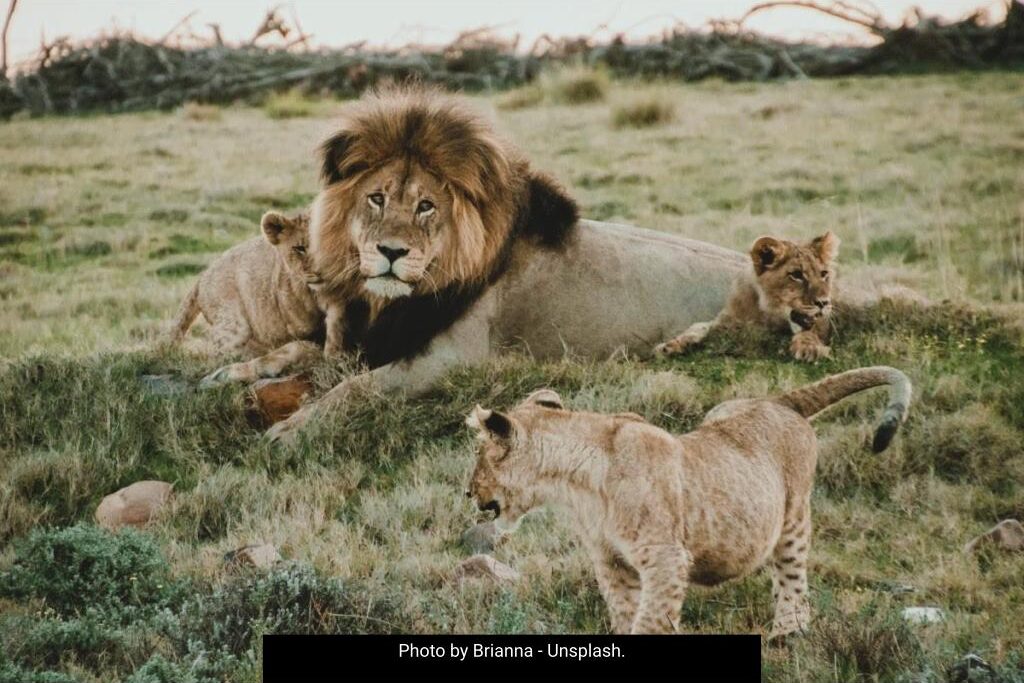
Not far from the dirt track, we came across a small pride of lions resting beneath a scattered acacia tree. They appeared calm and completely unhurried. Occasionally one would lift its head, observe the surroundings briefly, and then settle back again. There was nothing dramatic about the scene. No roaring, no chase, no display of power. Yet their quiet presence carried a certain authority, as though the landscape itself acknowledged their place within it.
Watching them in that quiet moment reminded me of a story that many of us know well.
The animated film The Lion King has been enjoyed by audiences across generations. Beneath the colourful characters and memorable songs lies a story that speaks about identity and responsibility. The young lion Simba begins life as the heir to his father’s kingdom, but after a tragic turn of events he runs away and grows up far from the land that once defined him.
In the forest he befriends Timon and Pumbaa, who introduce him to a carefree philosophy: Hakuna Matata. It is a phrase that means “no worries,” and for a time it seems to offer an appealing way of living. Simba leaves behind the burdens of the past and adopts a life that asks little of him. The days pass peacefully, and the questions he once faced are quietly set aside.
Yet the story eventually reaches a turning point. Simba encounters Rafiki, the wise mandrill who gently leads him to confront what he has been avoiding. In one of the most memorable scenes in the film, Simba hears the voice of his father reminding him of something he had almost forgotten.
“Remember who you are.”
Although spoken in the context of a fictional story, the words resonate far beyond the film. They touch upon a truth that many people recognise at different stages of life. There are moments when we drift away from the responsibilities that once seemed clear to us. Sometimes this happens gradually as we become occupied with the routines of everyday life. At other times it occurs when we choose the path that appears easier, postponing decisions that feel difficult or demanding.
Yet even in such moments, there remains within us a quiet awareness that life invites something deeper.
The American scholar Joseph Campbell wrote about what he described as the “hero’s journey,” the path through which individuals gradually discover their purpose and responsibility. In many ways, Simba’s story reflects that pattern. His journey is not simply about reclaiming a throne, but about recognising the person he is meant to become.
In our own lives, such recognition often emerges through ordinary experiences rather than dramatic events. A conversation that prompts unexpected reflection, a responsibility that calls for courage, or a moment of stillness that invites us to reconsider our direction may gradually bring us back to ourselves.
To remember who we are is not merely to recall our titles, positions or accomplishments. Rather, it involves recognising the values that guide how we live and how we treat those around us. It means understanding the responsibilities we carry toward family, community and the wider society in which we belong.
In that sense, remembering who we are is not about returning to the past. Instead, it is about rediscovering the deeper orientation of our lives and allowing that awareness to shape the choices we make.
As our safari vehicle slowly moved away from the pride of lions that morning, I looked back once more at the animals resting beneath the acacia tree. Their calm presence seemed to reflect something timeless. They moved through their environment with a natural confidence, fully belonging to the landscape that sustained them.
In that quiet moment on the savannah, the message from the old story came to mind once again. Life may lead us through periods of uncertainty or distraction, but there remains within us a gentle reminder that calls us back to our deeper sense of purpose.
And perhaps from time to time, we all need to hear those simple words again.
Remember who you are.
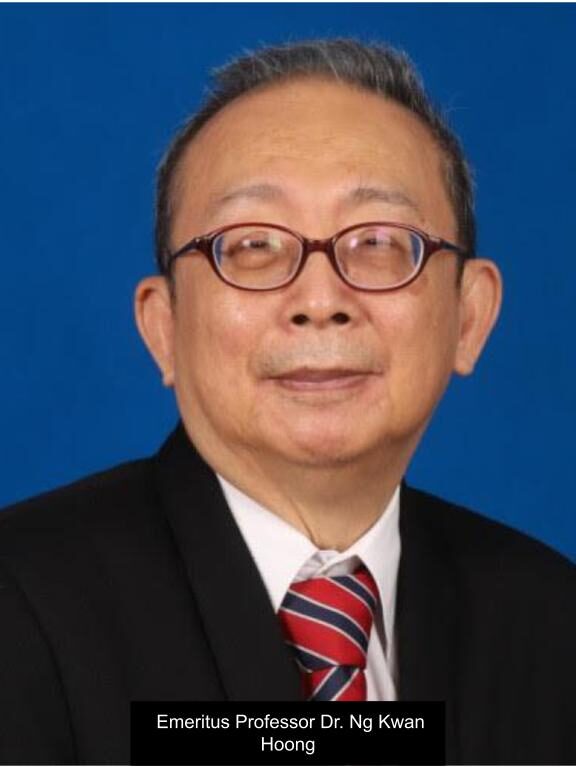
The author is an Emeritus Professor of Biomedical Imaging at the Faculty of Medicine, Universiti Malaya.
About The Author