
By Alessandra Nasharyna Anak George Martin, Geetha Chandra Regan, and Mohd Istajib Mokhtar
The United Nations’ Sustainable Development Goals (SDG) 2 calls for the eradication of hunger and the promotion of sustainable agriculture by 2030. Yet, the road to this ambition is marked by a troubling paradox: our growing appetite for animal protein is straining the very planetary system that sustains food production. One unexpected solution now buzzing into the spotlight is Black Soldier Fly Larvae (BSFL) farming which transforms organic waste into high-value animal feed and offers a pathway toward a more resilient food system. But while science is promising, the laws that govern food and feed remain stuck in the past.
Recent analyses in Sustainable Earth Reviews warn that progress toward SDG 2 is increasingly threatened by overlapping ecological, economic and political disruptions. Unless our regulatory frameworks catch up with innovation, this “polycrisis” will continue to hinder sustainable solutions.
The problem on our plate
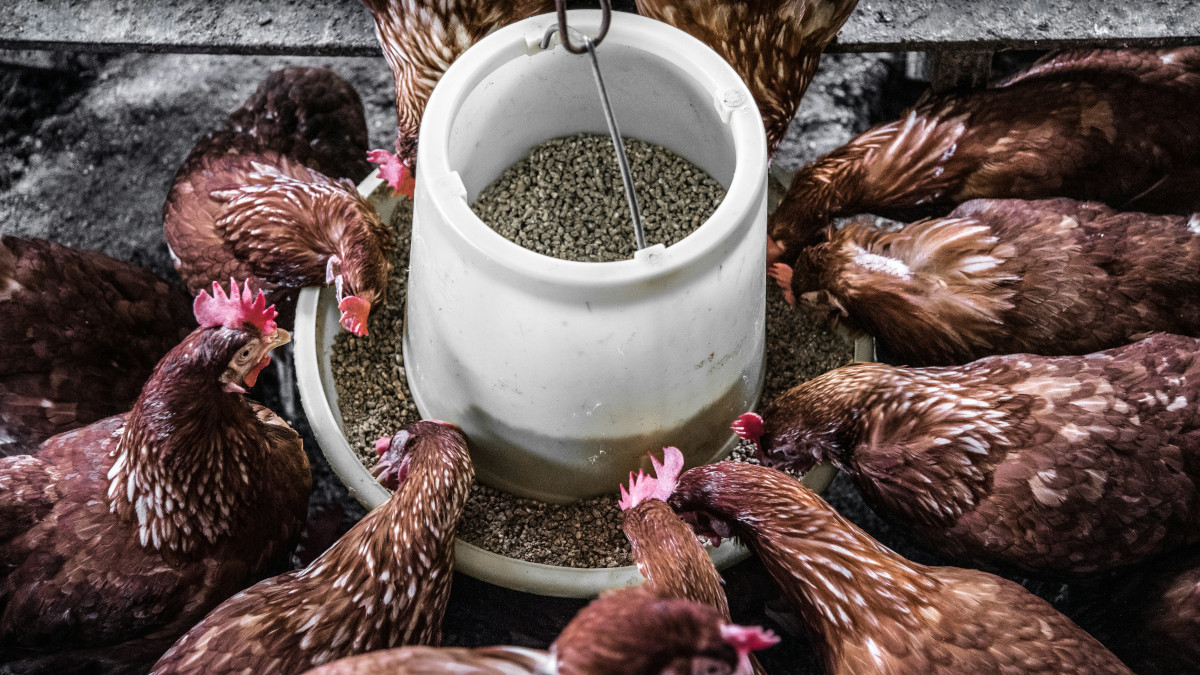
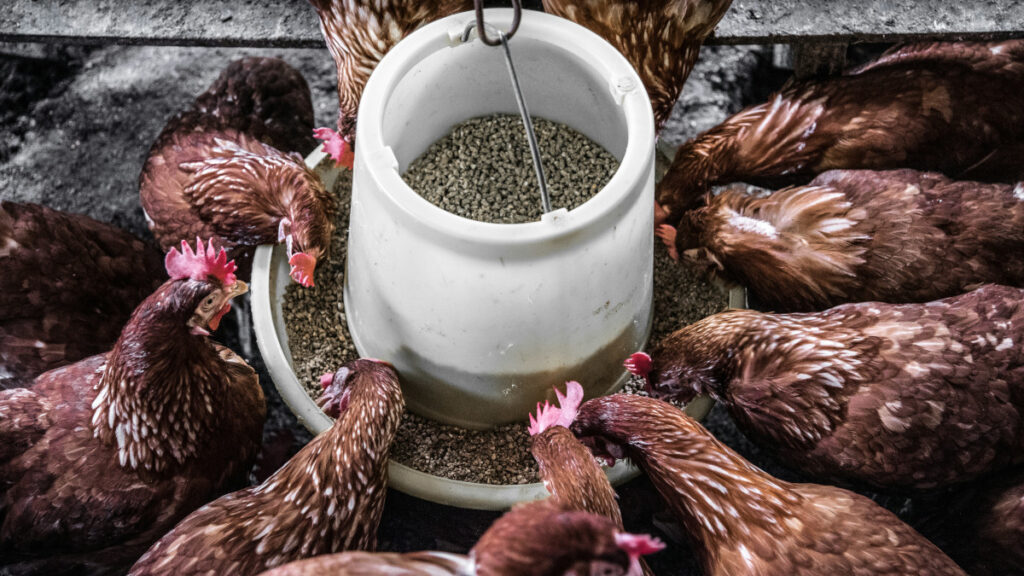
A major part of the challenge lies in what we feed our livestock. Conventional feed ingredients such as soy, corn and wheat require vast amounts of arable land, water, and energy to produce and all this effort goes not toward feeding humans, but toward feeding the animals humans eat. This system directly contradicts SDG 2’s emphasis on sustainable production and resilient agricultural practices.
A 2022 study by the International University of Japan shows that weak institutions and poor governance further undermine a country’s ability to achieve food security. Structural inefficiencies, resource misallocation, and governance gaps all contribute to higher food costs and persistent hunger. In short, our current linear model of “grow crops, feed livestock, feed people” is environmentally and economically unsustainable. We urgently need to transition toward a circular and resource-efficient system.
Nature’s champion
This raises a fundamental question: Why do we feed animals crops that humans could eat, when nature offers an alternative? Insect farming is not new, nature has perfected this system for millions of years. Scaling it up simply allows us to harness that efficiency.
Research worldwide, including at Universiti Malaya, shows that BSFL can consume food waste and agricultural by-products and convert it to protein rich, nutrient dense feed for livestock. This waste–to–value process is a model circular economy in action. It reduces the need for deforestation linked to soy and corn cultivation, cuts methane emissions from landfills, and lowers overall environmental footprint of animal feed production.
As global interest grows, insect protein is becoming a serious contender in the commercial feed market. But to unlock its full potential, we must confront the outdated legal frameworks that currently slow its adaptation.
The legal challenges
Regulation of insect-based feed varies widely across regions. In the European Union, BSFL use in animal feed is allowed under clear and strict guidelines. This regulatory certainty reflects what the former UN Special Rapporteur (2014-2020) on the Right to Food, Hilal Elver, has long argued: Food governance is fundamentally a human rights obligation. When rules are clear, entrepreneurs and investors gain the confidence to scale up.
In ASEAN, however, the Feed Safety Policy lacks harmonised standards for novel ingredients like insects. This complicates cross border trade in feed and meat, stifles industry growth, and hinders the region’s potential to build a unified green industry. Malaysia faces a similar challenge. The BSFL sector here exists in a regulatory grey zone. This ambiguity reflects broader global tensions between economic regulation, food safety law, and the human right to food. The Feed Act 2009 neither explicitly approved or prohibited insect-based proteins. Without clear rules, the innovation stalls, leaving farmers, entrepreneurs, and investors hesitant to move forward.
Time to rewrite the rules for sustainable future
BSFL is more than an insect, it is the symbol of how innovation, law, and sustainability can come together to feed the future. To unlock its potential, policymakers must act swiftly. First is to rewrite the laws. Government agencies should establish explicit legal recognition of approved insect species like BSFL in animal feed. A 2024 governance review by Donner, Mamès, and de Vries in Discover Sustainability emphasises that sustainable food systems depend on regulatory frameworks that are participatory, consistent, and transparent, which Malaysia and ASEAN can adopt to modernise their food and feed laws.
Next, is to harmonise the standards. ASEAN should develop clear and uniform rules on allowable substrates for insect rearing, taking into account safety, hygiene, and Halal considerations. Such harmonisation would enable smoother cross-border trade and strengthen the region’s food-system resilience.
Not only that, invest in pilot projects and capacity building. Large-scale, government-supported pilot projects would demonstrate the economic and environmental viability of insect farming in local agriculture. Capacity building programmes for farmers and agripreneurs would further catalyse the growth of this emerging green industry.
Last but not least, BSFL aligns with Malaysia’s National Agrofood Policy 2.0 (NAP 2.0). The International University of Japan’s 2022 research shows that institutional strengthening improves SDG 2 outcomes. Malaysia’s NAP 2.0 already aims to enhance food security, increase local productions, and reduce import dependency. Incorporating insect protein into this policy framework would reinforce national self-sufficiency and stimulate innovation in the agrifood sector.
The question before us is not whether we must choose between meat and no meat. Rather, it is whether we have the right laws and regulations to support smarter, more sustainable ways of producing it. If the policymakers delay, Malaysia risks falling short of the 2030 target of Zero Hunger. The science is ready, the industry is available, the law must now catch up.
By modernising our food and feed laws to welcome the era of insect protein, we can take a decisive bite out of hunger and build a future where achieving “zero hunger” does not mean “zero meat” but better, more sustainable ways to produce it.



Alessandra Nasharyna Anak George Martin, Geetha Chandra Regan, and Dr. Mohd Istajib Mokhtar are affiliated with the Department of Science and Technology Studies, Faculty of Science, Universiti Malaya
About The Author









“Great insights! The idea of using insect protein to tackle food – system inefficiencies is really forward – thinking. It’s so true that our current feed model is unsustainable, and insects could be the key to a circular system. Excited to see how policy changes will drive this green shift, especially in regions like ASEAN. Let’s hope policymakers act fast to unlock this potential for a zero – hunger future!”
24087884@siswa.um.edu.my