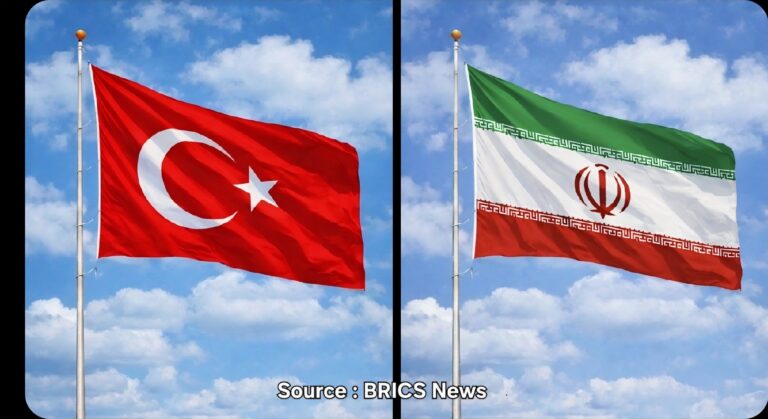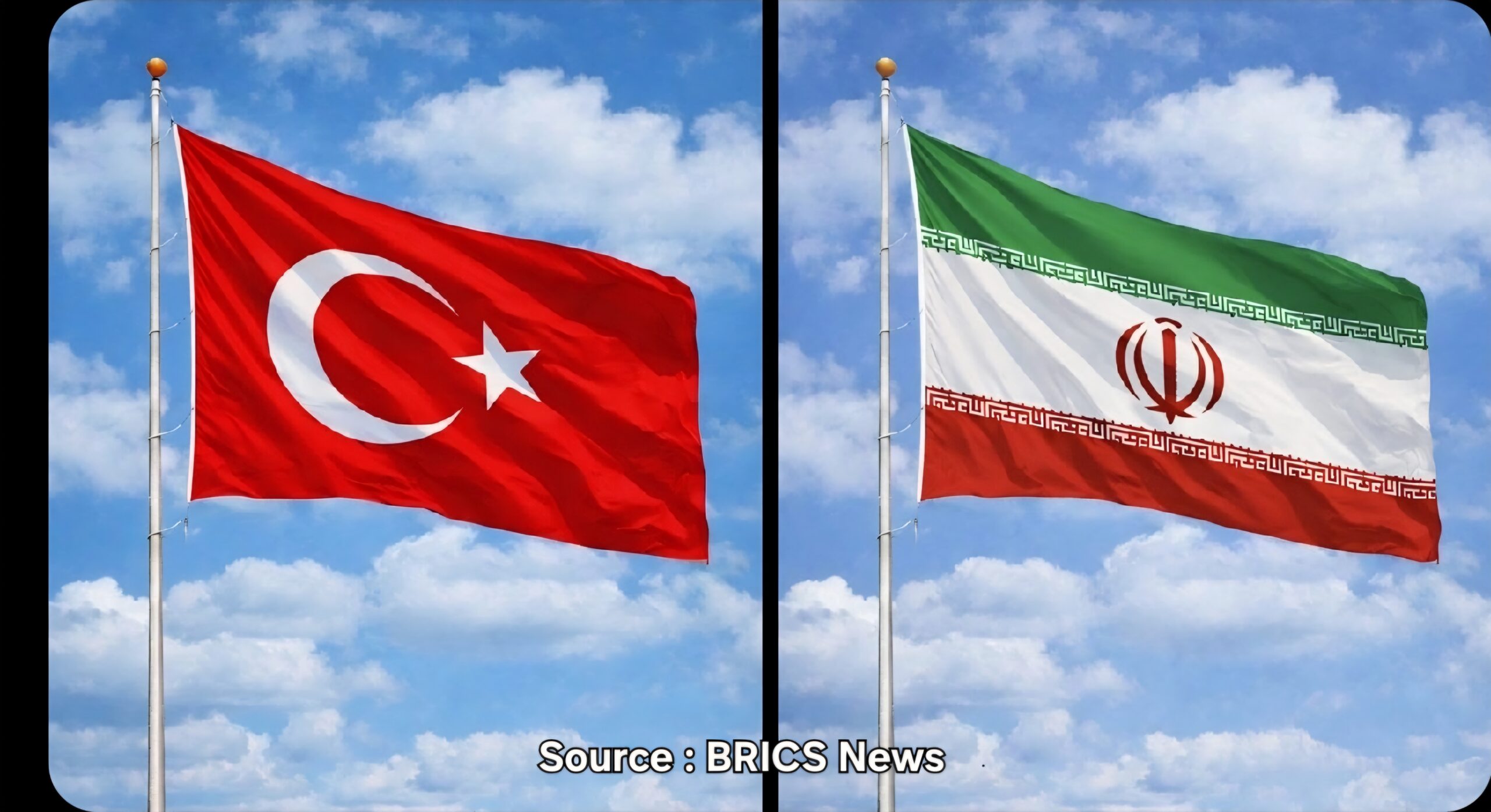
ISTANBUL March 9, 2026 – In a development that heightens concerns over the widening Middle East conflict, Turkey announced on Monday that NATO air defenses successfully intercepted an Iranian ballistic missile entering its airspace. This marks the second such incident in less than a week, raising fears of broader NATO involvement in the ongoing Iran-Israel-U.S. tensions.
According to Turkey’s Ministry of National Defense, the missile was launched from Iran and detected as it approached Turkish territory. NATO’s integrated air and missile defense systems, stationed in the eastern Mediterranean, neutralized the threat before it could cause damage. Debris from the interception fell in an open area near Gaziantep in southern Turkey, with no reported casualties or injuries.
Turkish officials emphasized the role of NATO assets in the operation, highlighting the alliance’s readiness to protect member states. “All necessary steps to defend Turkish territory and airspace will be taken without hesitation,” stated a Turkish communications official in a post on X. The incident comes just five days after a similar event on March 4, where NATO defenses downed another Iranian missile headed toward Turkey, with debris landing in the Hatay province.
Iran has denied launching any missiles toward Turkey, asserting respect for Turkish sovereignty and dismissing the claims as part of a broader misinformation campaign amid the conflict. Iranian officials suggested the reports could be a “false flag” operation to draw NATO deeper into the fray. This denial echoes responses to the March 4 incident, where Tehran similarly rejected responsibility.
The repeated interceptions have prompted heightened alert levels across the region. As a NATO member, any confirmed attack on Turkey could invoke Article 5 of the alliance’s treaty, potentially obligating collective defense from all 32 members, including the United States. U.S. Secretary of State Marco Rubio pledged full support for Turkey following the first incident, while former President Donald Trump commented that rising oil prices—spiking briefly to $119.50 per barrel amid the crisis—are a “small price” for security.
Analysts warn that these events could escalate the conflict beyond the Middle East, especially with the Strait of Hormuz disrupted, leading to oil supply shortages and production cuts in Saudi Arabia. NATO spokesperson Allison Hart condemned Iran’s alleged actions, stating, “Our deterrence and defense posture remains strong across all domains.”
In response to the growing threats, the U.S. has begun evacuating non-essential employees from Turkey, signaling concerns over further escalation. Meanwhile, Iran’s new supreme leader, Mojtaba Khamenei, who succeeded his father following recent U.S.-Israeli strikes, is expected to maintain a hardline approach.
As investigations continue, both sides have called for restraint, but the incidents underscore the fragile balance in the region, with potential ramifications for global security and energy markets. Life News Agency will monitor developments closely.
About The Author