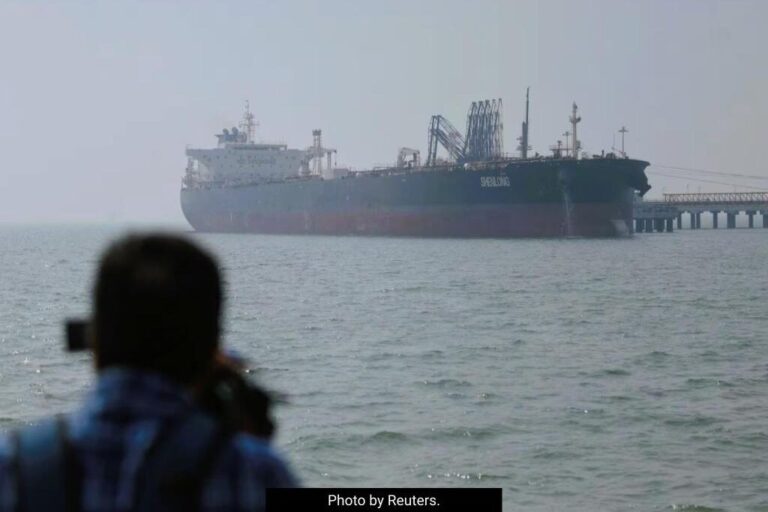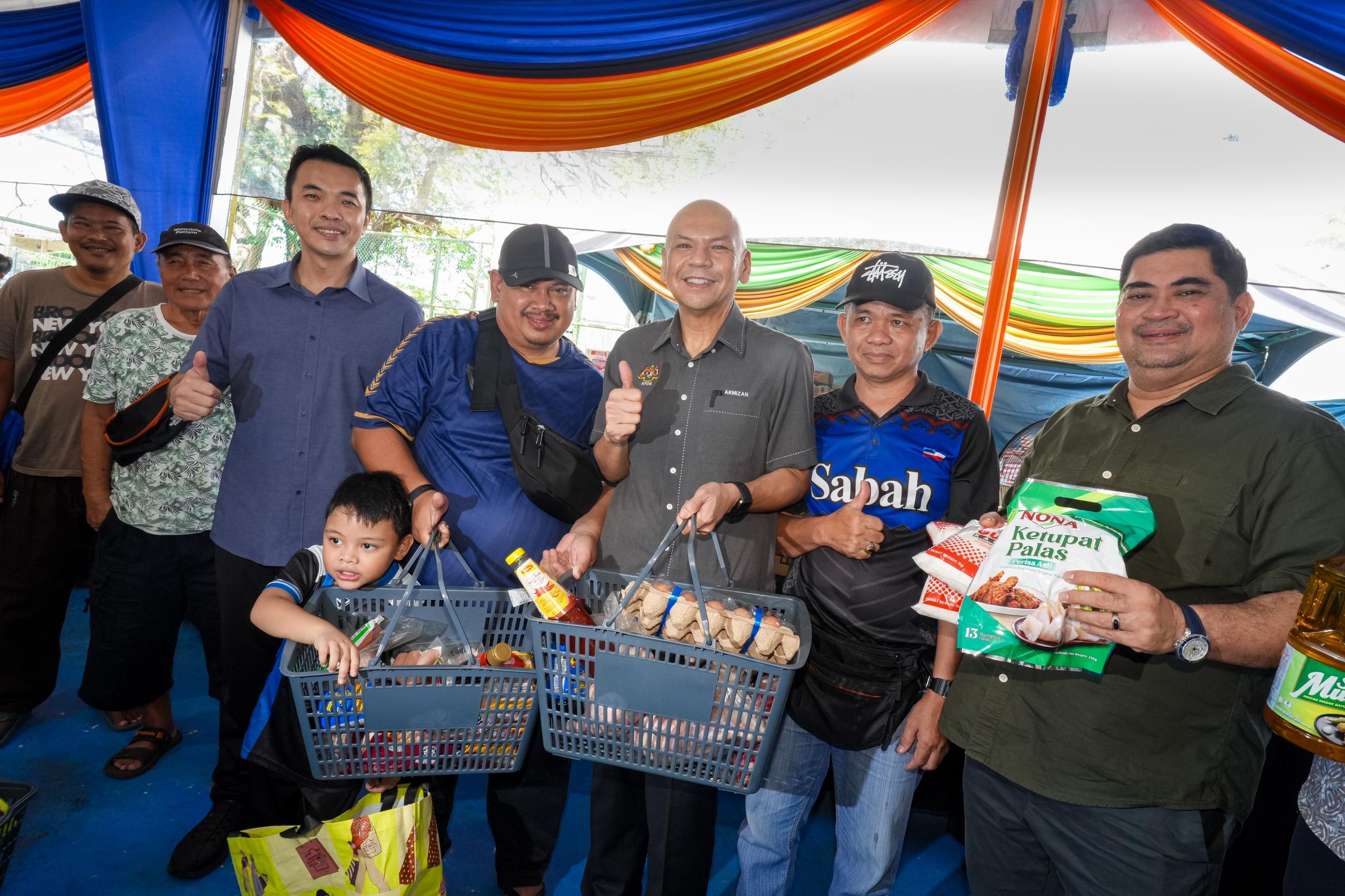
KOTA KINABALU, SABAH, MALAYSIA March 14, 2026 – In response to escalating global oil prices triggered by the ongoing conflict in West Asia, Malaysia’s Ministry of Domestic Trade and Cost of Living (KPDN) has announced a strengthened inter-agency enforcement operation to combat the smuggling and diversion of subsidized diesel, particularly in Sabah and Sarawak.
The initiative, revealed in a statement by KPDN Minister Datuk Armizan Mohd Ali, aims to curb the leakage of controlled goods across borders. The operation involves collaboration between agencies such as the Royal Malaysian Police (PDRM), the Malaysian Border Control and Enforcement Agency (JPAK), the Immigration Department, and the Royal Malaysian Customs Department. “This joint effort is crucial to prevent the smuggling of subsidized diesel to neighboring countries where market prices are significantly higher,” the statement read.
The minister highlighted the economic pressures driving the illicit activities. Global crude oil prices have surged due to the West Asia conflict, pushing diesel costs to between US$90 and over US$100 per barrel in international markets—a sharp increase from previous levels of US$60 to US$70. In Malaysia, subsidized diesel remains affordable at RM2.15 per liter in Sabah and Sarawak, compared to the unsubsidized rate of RM3.92 per liter on the peninsula under the Automatic Pricing Mechanism (APM). This price disparity has fueled smuggling to nearby nations, where diesel fetches up to RM4.30 per liter or more.
According to the statement, the government has already recorded significant seizures. In Sabah alone, authorities confiscated subsidized diesel worth RM2.024 billion last year, while Sarawak saw seizures amounting to RM1.08 billion. Nationwide, the total value of seized subsidized diesel reached RM4.6 billion in 2026 so far. Minister Armizan emphasized that these operations are part of broader efforts under the Supply Control Act 1961 (Act 122), the Price Control and Anti-Profiteering Act 2011 (Act 723), and related regulations.
The crackdown includes intensified patrols and inspections at borders, ports, and high-risk areas. Under Operation Tiris, which targets diesel subsidy abuse, authorities have imposed fines exceeding RM1 million in Sabah for violations, including the sale of subsidized fuel to unauthorized buyers. Similar actions in Sarawak have resulted in penalties totaling over RM3 million, with additional cases involving the misuse of diesel in non-eligible sectors like mining and logging.
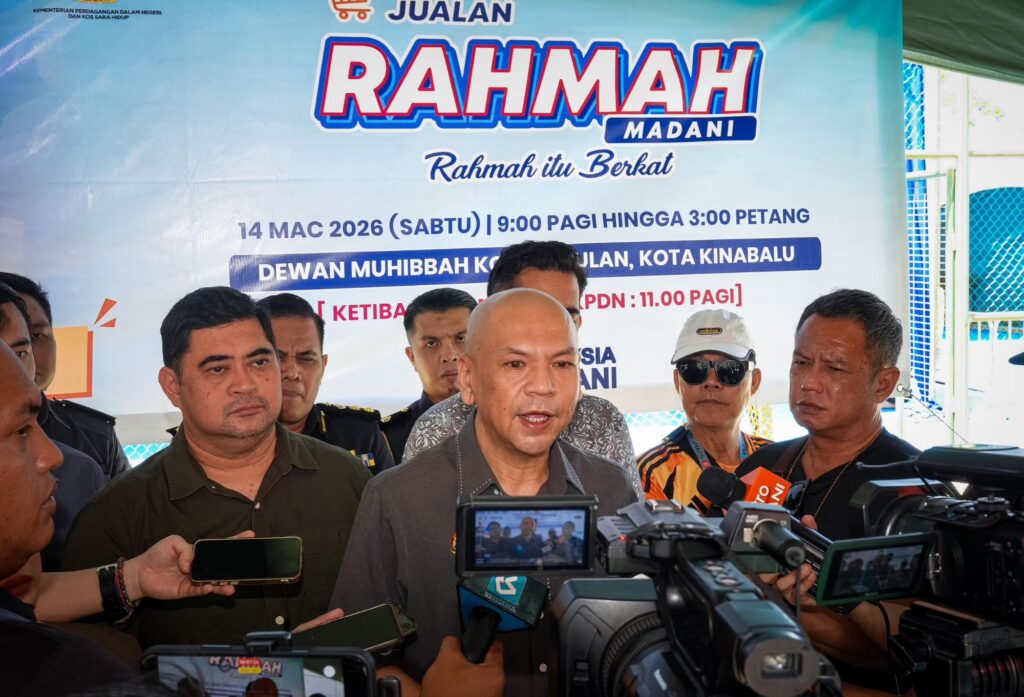
Minister Armizan warned that violators face severe consequences, including fines up to RM1 million for first offenses and up to RM3 million for repeat offenders, along with possible imprisonment. “Smuggling not only drains national resources but also exacerbates fuel shortages for legitimate users,” he stated, urging the public to report suspicious activities.
This enforcement push comes amid broader concerns over subsidy leakages, with the government estimating annual losses in the billions due to cross-border smuggling. Officials noted that while subsidies are intended to ease the cost of living for Malaysians, particularly in East Malaysia, the global oil price volatility necessitates vigilant monitoring to protect the economy.
The ministry’s statement also referenced past successes, such as the seizure of over 1 million liters of diesel in a single operation under Act 613, underscoring the scale of the problem. As the conflict in West Asia shows no signs of abating, Malaysian authorities are expected to maintain heightened vigilance to safeguard subsidized resources.
About The Author