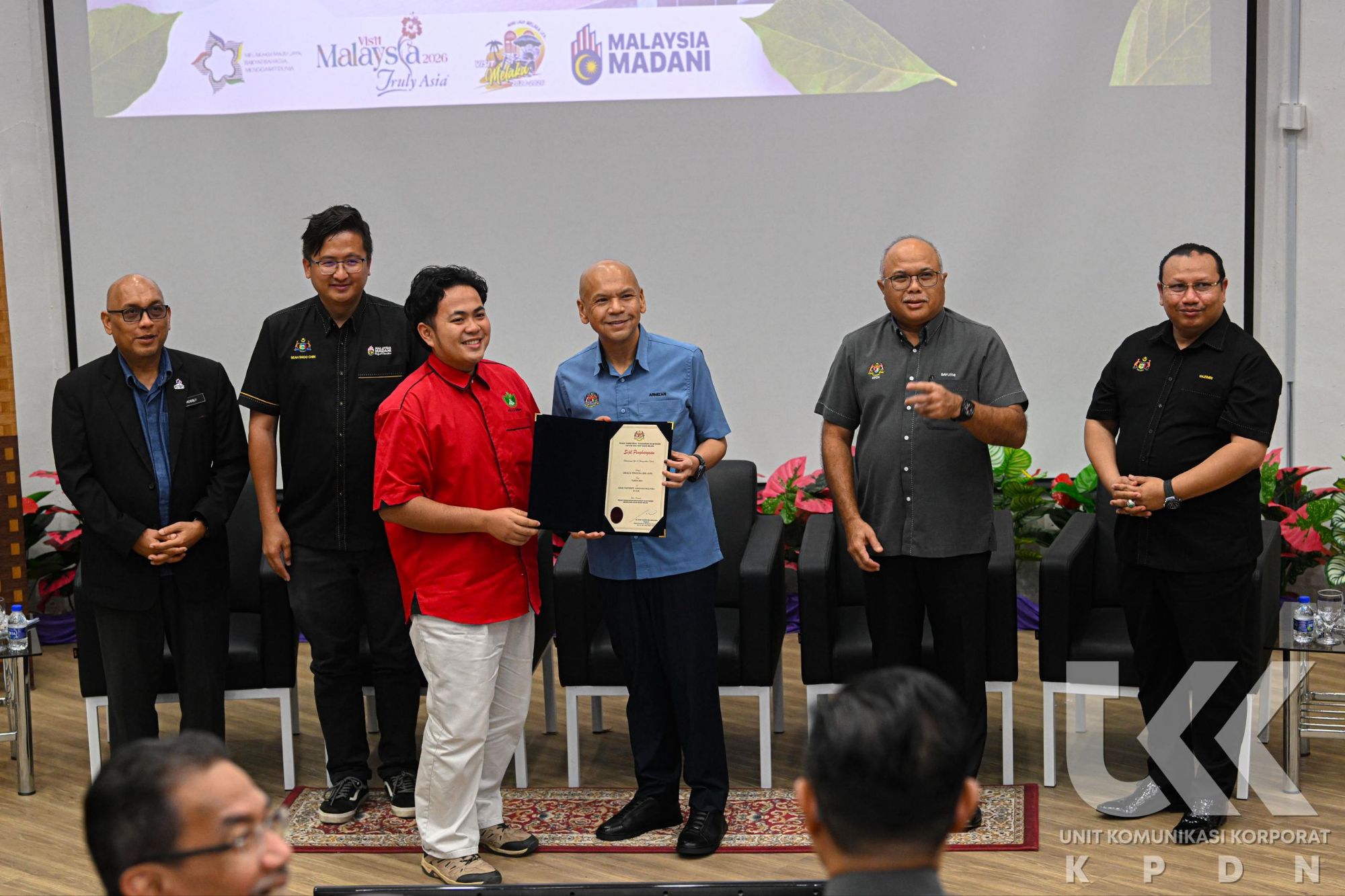
MALACCA, MALAYSIA December 11, 2025 – The Ministry of Domestic Trade and Cost of Living (KPDN) has highlighted the success of its Food Bank Siswa initiative, which has provided essential food supplies to 51,200 needy university students across Malaysia since its launch in 2019.
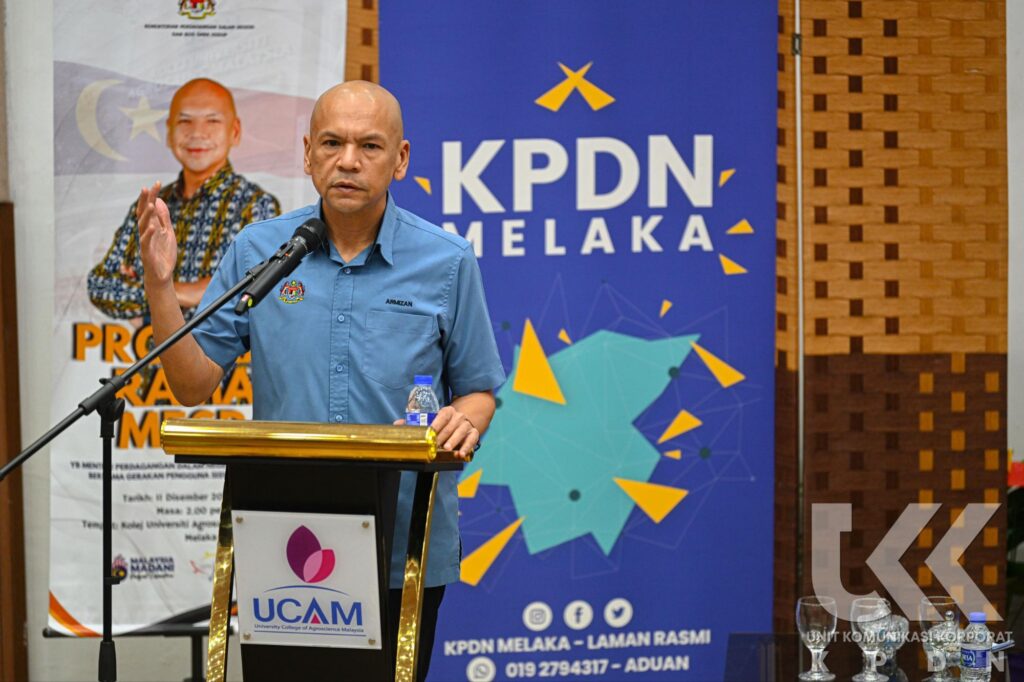
In a statement released today, Minister Datuk Armizan Mohd Ali emphasized the program’s role in addressing food insecurity among higher education students through food rescue and surplus distribution efforts. Coordinated by the Food Bank Malaysia Secretariat, the initiative focuses on salvaging excess food from industries and redistributing it to vulnerable groups, aligning with broader goals to combat rising living costs.
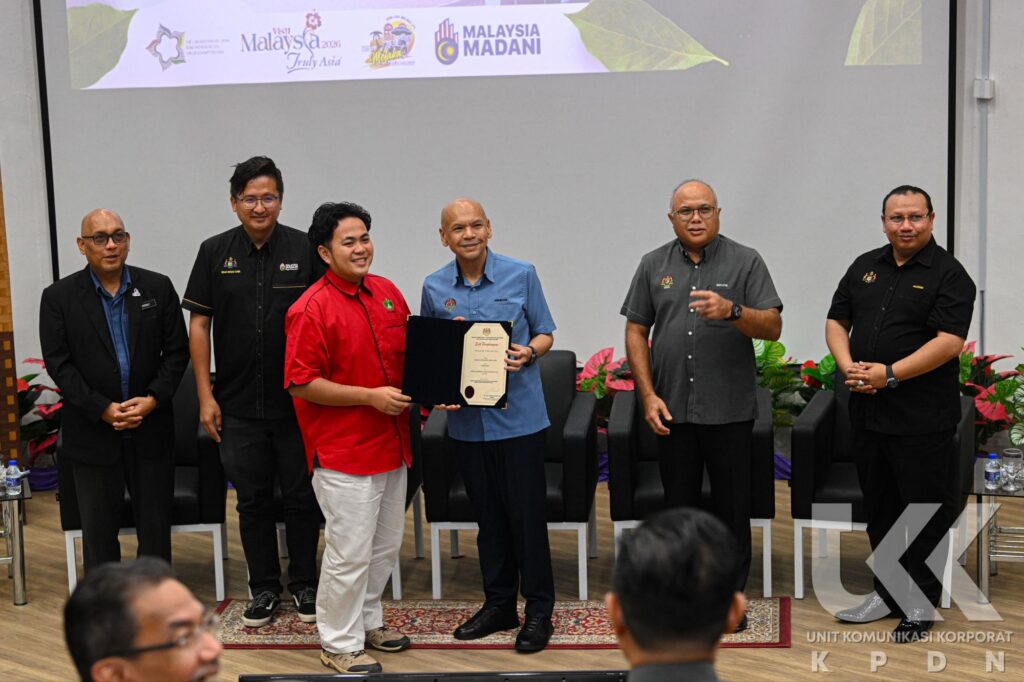
The program currently involves 32 higher education institutions (IPTs) nationwide, including public and private universities, teacher training institutes (IPGs), and polytechnics. Of these, five are located in Melaka. KPDN has partnered with university managements, the Student Consumer Movement (GPS), industry players, hotels, retailers, and non-governmental organizations (NGOs) to ensure effective implementation.
“Through Food Bank Siswa, we have received contributions from 148 entities, including food manufacturers, retailers, hotel chains, and NGOs, up to October 31, 2025,” the statement noted. These partnerships have enabled the distribution of rescued and surplus food to students in need, preventing waste while supporting those facing financial hardships.
Looking ahead, KPDN plans to strengthen the involvement of GPS as a key stakeholder in tackling cost-of-living issues. With 195 GPS chapters across public and private IPTs, community colleges, and IPGs, the ministry aims to expand the program’s reach, particularly to institutions without existing food banks. GPS will play a more active role in consumer advocacy and program mobilization.
The announcement follows the recent Food Bank Malaysia Convention 2025, held on December 8 and 9 in Bangi, Selangor. Resolutions from the event will inform the development of the National Food Bank Action Plan 2026–2030. This plan represents a transformation of the Food Bank Malaysia program, contributing to Sustainable Development Goals (SDGs) and the Fourth Pillar of the 13th Malaysia Plan (RMK-13), which focuses on enhancing public well-being and environmental sustainability.
Minister Armizan expressed hope that GPS’s enhanced participation will further bolster the program’s impact, ensuring more students benefit from these community-driven efforts. The initiative underscores the government’s commitment to food security and waste reduction in the education sector.
About The Author