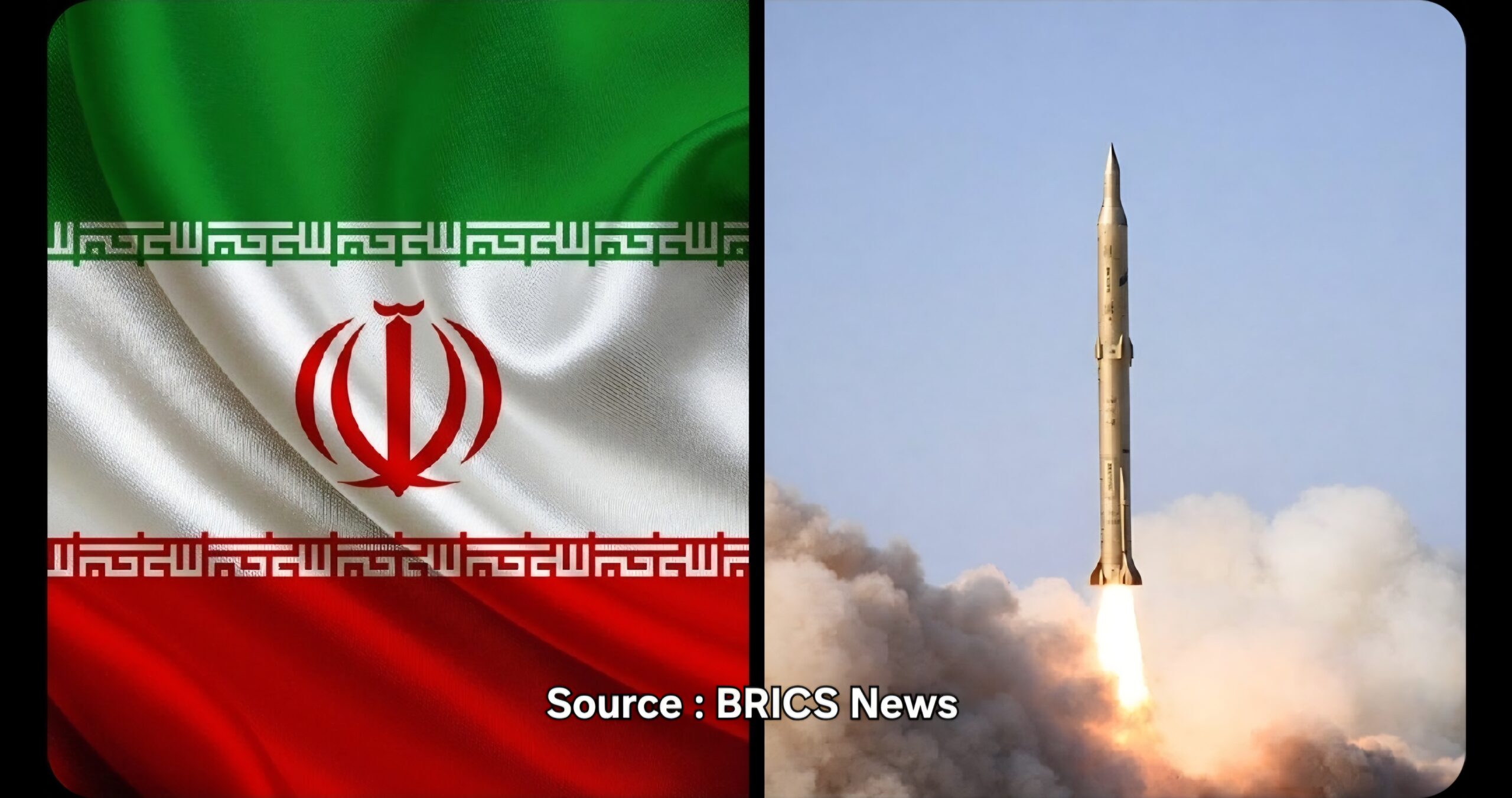
TEHRAN March 16, 2026 – In a significant escalation of the ongoing Middle East war, Iran has launched its Sejjil missile for the first time since hostilities began in late February. The solid-fuel ballistic missile, known for its rapid launch capabilities and difficulty in detection, marks a new phase in Iran’s retaliatory strikes against Israel.
The launch was first reported by BRICS News on X, stating: “Iran launches ‘Sejjil’ missile for the first time since the war began. This missile is solid-fuel, making it significantly harder to detect and intercept.” Footage and images circulating on social media show the missile’s deployment, highlighting Iran’s advanced arsenal amid the conflict.
Context of the Conflict
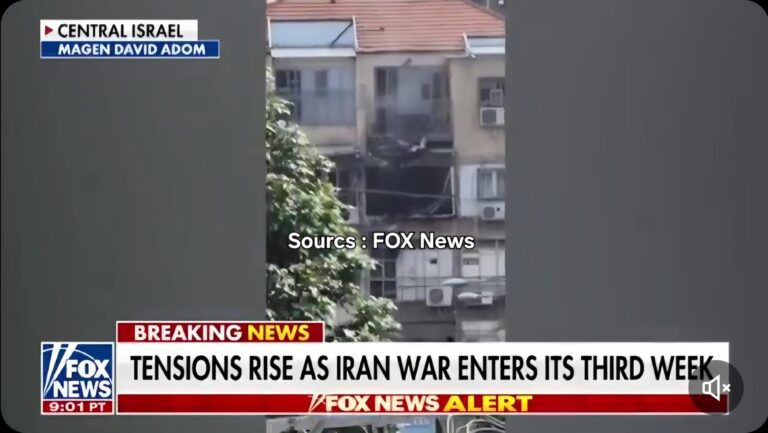
The war, which erupted on February 28, 2026, following joint US-Israeli strikes on Iranian nuclear and military sites, has seen intense exchanges of missile and drone attacks. Iran has fired over 290 missiles and 500 drones at Israeli territory in recent days, causing damage in multiple cities including Tel Aviv and Eilat. Israeli defenses, bolstered by US support, have intercepted many projectiles, but some have struck, resulting in at least 11 deaths and over 1,000 injuries in Israel.
On the Iranian side, US and Israeli forces have conducted widespread airstrikes, targeting ballistic missile production facilities, internal security infrastructure, and command centers. Reports indicate that these strikes have degraded up to 80% of Iran’s offensive capabilities, including the destruction of 160-190 missile launchers. Iranian missile barrages have decreased significantly, from over 20 per day at the conflict’s peak to around six to seven in recent updates.
The Sejjil Missile: A Game-Changer?
The Sejjil, a two-stage medium-range ballistic missile with a reported range of up to 2,000 kilometers, uses solid propellant, allowing for quicker preparation and launch compared to liquid-fueled alternatives. This makes it particularly challenging for air defense systems like Israel’s Iron Dome and David’s Sling. Experts note that its deployment could signal Iran’s intent to overwhelm defenses in key areas.
Social media reactions have been mixed, with some users expressing alarm at the escalation. One X post from @hayasaka_aryan read: “Please hit their wall Iran,” while others highlighted the missile’s potential impact on the war’s dynamics.
Broader Implications
The conflict has also affected Gulf states, with Iran targeting US bases and refineries in Bahrain and the UAE. China has reportedly supplied Iran with missile fuel precursors, complicating international relations. Israeli Prime Minister Benjamin Netanyahu has stated that strikes are aimed at creating conditions for regime change in Iran, amid reports of internal desertions and protests.
As the war enters its third week, global leaders call for de-escalation, but with both sides showing no signs of backing down, the region remains on high alert.
About The Author