By: Professor Dato Dr Ahmad Ibrahim
Fighting climate change remains unfinished work. Despite years of diplomacy and laborious engagement, the world remains divided on the best course of action. This is made worse by the recent rise of sceptics. Led by a leading climate disruptor, the USA, the fight is getting more complicated. If you’re feeling climate anxiety, you’re not alone. The headlines are a relentless drumbeat of melting ice, supercharged storms, and rising seas. The macro problem can feel paralyzing. But what if a significant part of the solution isn’t a single, monolithic fix, but millions of smaller, smarter, and more resilient ones? This is the compelling case made by researchers Izhar Us Salam, Muhammad Yousif, Muhammad Numan, and Moatasim Billah in their comprehensive review, which positions microgrids not just as a piece of engineering trivia, but as a cornerstone of a sustainable future.
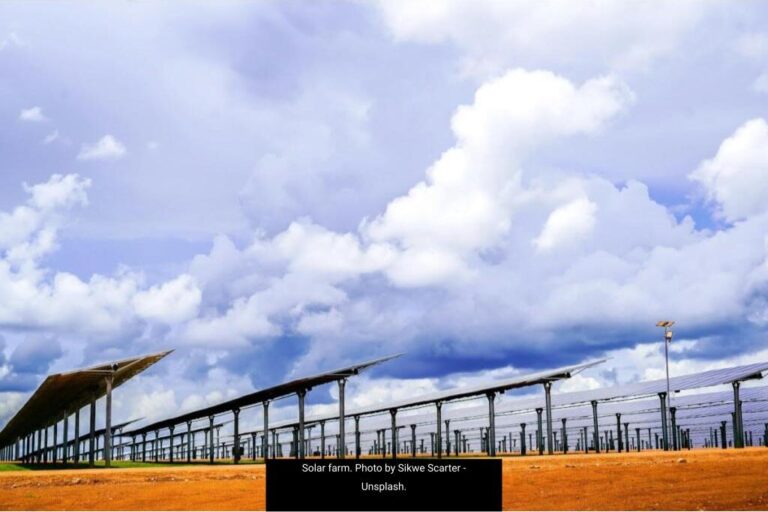
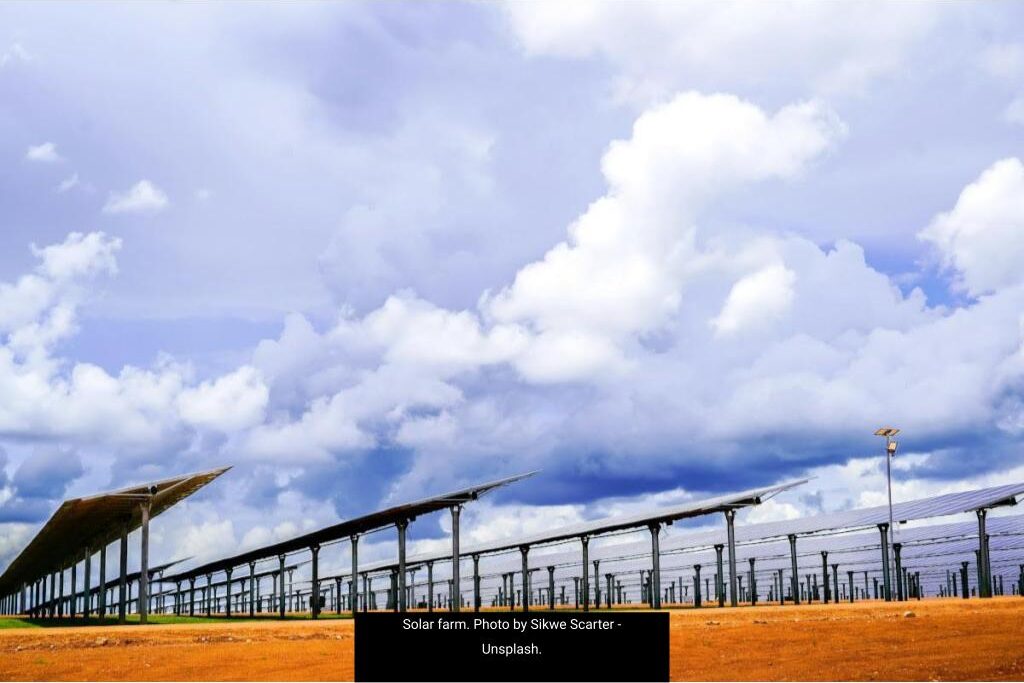
For too long, the conversation about decarbonizing our energy system has focused overwhelmingly on large-scale renewable farms—vast fields of solar panels and sprawling wind turbines. These are crucial, but they address only half the equation: generation. The paper argues that the true transformation lies in reimagining the distribution and control of power. Enter the microgrid. A microgrid is essentially a self-contained energy ecosystem. It can connect to the main grid but can also disconnect and operate independently—an energy “island.” By integrating local renewable sources like rooftop solar, energy storage (batteries), and smart management systems, microgrids turn passive consumers into active “prosumers.”
The review highlights several transformative roles microgrids play in the climate fight: The renewable enabler: Large grids struggle with the intermittent nature of sun and wind. Microgrids, however, are designed for this challenge. Their smart controllers balance local supply, storage, and demand in real-time, allowing them to soak up renewable generation when it’s abundant and ration it wisely when it’s not. This makes adding more renewables to the system not a liability, but a natural asset.
The resilience builder: Climate change is making extreme weather events more frequent and severe, leading to prolonged and dangerous power outages. This is where microgrids shine as a lifesaving infrastructure. When the main grid fails, a community microgrid—powered by solar and batteries—can keep hospitals running, communication towers active, and emergency shelters lit. This isn’t just convenience; it’s climate adaptation in action.
The efficiency architect: Our traditional grid wastes a staggering amount of energy in transmission over long distances. Microgrids generate and consume power locally, drastically cutting these losses. Furthermore, their intelligence can shift demand to match supply (like charging EVs when the sun is brightest), flattening peaks and creating a more efficient, less wasteful system overall.
The equity innovator: The authors point to a particularly promising aspect: microgrids can bring clean, reliable power to the “last mile”—remote or underserved communities where extending the main grid is prohibitively expensive. This leapfrogs dirty diesel generators and fosters development with clean energy from the start, addressing energy poverty alongside climate change.
Of course, the path isn’t without obstacles. The paper frankly discusses the hurdles: regulatory frameworks designed for a centralized past, high upfront capital costs, and the need for advanced cybersecurity. But the technological barriers are falling fast, while the economic calculus is shifting as the cost of renewables and batteries plummets and the true cost of climate-driven grid failures becomes undeniable.
The overarching message from Salam and colleagues is one of empowered pragmatism. Waiting for a global silver bullet is a recipe for despair. Instead, we must build resilience from the ground up. Microgrids represent a democratization of energy—a shift from vulnerable, monolithic systems to networked, intelligent, and community-oriented power.
The fight against climate change will be won not on a single battlefield, but in countless towns, neighborhoods, and industrial parks. By fostering local generation, ensuring local resilience, and enabling a seamless integration of renewables, microgrids are proving to be one of the most potent tools we have to forge a sustainable future, one community at a time. The future grid, it seems, will be a federation of microgrids—and that’s a future worth building.

The author is affiliated with the Tan Sri Omar Centre for STI Policy Studies at UCSI University and is an Adjunct Professor at the Ungku Aziz Centre for Development Studies, Universiti Malaya.
About The Author