By Dalilawati Zainal
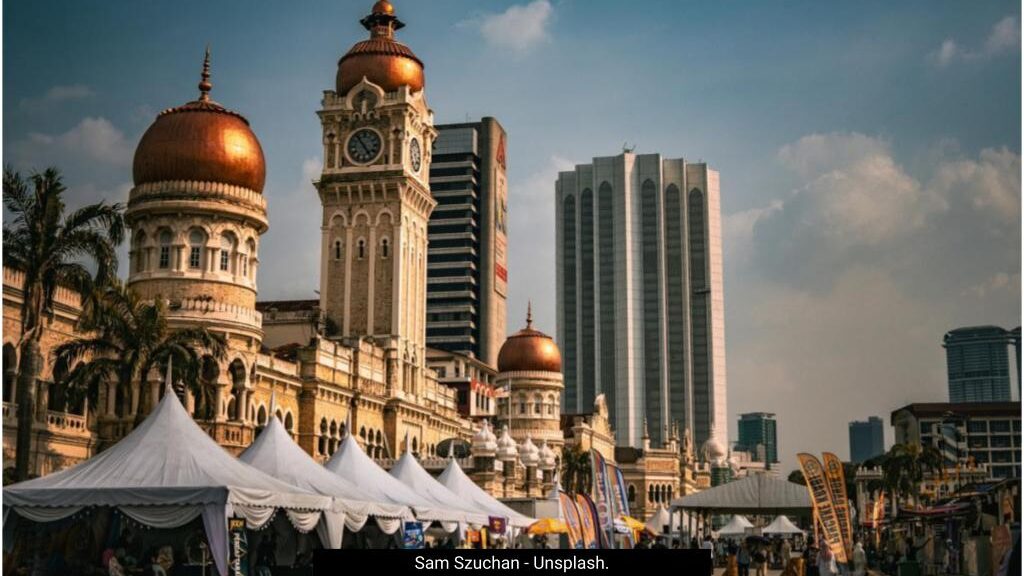
The reopening of Bangunan Sultan Abdul Samad sparked an immediate public response. Visitors returned to Dataran Merdeka, images spread rapidly across social media and a familiar landmark reclaimed its place in Kuala Lumpur’s urban life.
This event not only symbolizes national pride and continuity for many Malaysians but highlights an important lesson: effective heritage management contributes to social value, economic viability and national competitiveness.
Strategic heritage preservation aligns with sustainability principles, emphasizing that cities can enhance sustainability by prolonging the life of existing structures. The restoration and reuse of historic buildings mitigate the environmental impact associated with demolition and new construction, embodying the notion that the most sustainable buildings are often those already in place.
Adaptive reuse is environmentally beneficial as it circumvents the embodied carbon associated with new materials and large-scale construction projects. The preservation of older buildings is not opposed to progress. Instead, it represents a sustainable approach to urban growth by demonstrating the ongoing relevance of historic structures in modern cities.
From a social perspective, heritage buildings embody shared memories and experiences, reflecting significant historical milestones from colonial times to independence. Reopening such sites provides not only access to physical spaces but also strengthens connections among individuals and across generations, reinforcing social bonds despite the challenges of quantifying these benefits.
This reopening also has a message about governance. Public heritage buildings are public property that is cared for with public money and given to public organisations. Their long-term closure, neglect or underuse is a loss of public value.
On the other hand, clear restoration and reopening show that people are responsible, accountable and planning for the long term. As Malaysia moves toward higher standards for sustainability and accountability in the public sector, these kinds of projects show how abstract ideas can lead to real and citizen-facing results.
But just reopening does not mean that it will last. After the first rush of excitement, the real test begins.
The long-term success of Bangunan Sultan Abdul Samad depends on how it is run, how it is funded and where it is located, from an economic and financial point of view. Restoration requires substantial investment, but sustaining operations demands ongoing expenditure on maintenance, staffing, security, utilities and programming.
Many individuals are currently drawn to the experience, primarily due to its novelty, cost-free access and curiosity. However, this initial surge may decline if entrance fees are introduced.
The crucial question lies not in the willingness to pay, but in whether the experience provides sufficient value for the cost.
The cost of admission should be the same as what the attraction actually offers. People who visit cities today are picky because there are so many choices for fun and learning. Visitors may wonder if paying to get in is worth it if all they can do is look at things and learn a little bit about history. In these situations, prices can become a problem instead of a way to keep things going.
When heritage sites implement entrance fees, they should design the visitor experience by incorporating curated exhibitions, guided tours, interactive storytelling, archival resources, rotating themes and educational programs to foster engagement. Visitors should leave feeling that they have gained insight and meaning, not merely entry. If this does not happen, financial stability will be weak.
Being open about how entrance fees contribute to conservation and programming can lead visitors to perceive their payment as a donation rather than a cost. Clear communication makes pricing a shared responsibility for preservation. Without this story, fees could be seen as unfair, which would hurt public goodwill.
Heritage attractions should diversify their revenue streams beyond ticket sales to ensure long-term economic stability. Reliance solely on entrance fees makes them vulnerable to fluctuations in visitor numbers. Additional revenue can be generated through guided tours, educational collaborations, curated events, venue rentals and partnerships with cultural and academic institutions. This method takes the pressure off constantly raising ticket prices, which can turn people off over time.
The quality of management is just as important. Heritage buildings require professional management, long-term planning and consistent performance evaluations.
The misconception that reopening signifies the conclusion of a project’s lifecycle can lead to deterioration. Popular sites often decline not due to historical irrelevance, but from inadequate marketing, halted programming and misalignment with visitor expectations.
For instance, the recently reopened Bangunan Sultan Abdul Samad demands significant promotion, particularly in relation to Visit Malaysia 2026, to ensure it remains a vital attraction rather than just a picturesque backdrop.
There should be many levels to effective promotion. Digital storytelling through tourism platforms, collaboration with content creators and partnerships with local businesses can significantly deepen engagement at the heritage site.
This site must also be positioned within a wider heritage ecosystem, linked to nearby museums and public spaces. Sustained interest depends on strong programming, including refreshed content and interactive experiences, which is critical to the economic viability of urban heritage assets.
Inclusive pricing, such as tiered rates and selective free-entry days, supports accessibility while reinforcing the site’s civic role. Pricing, programming, marketing and management must move in tandem, as misalignment risks declining visitation, weakened revenues and eroding public support.
The sustainability of Bangunan Sultan Abdul Samad is therefore not merely a cultural concern, but a matter of national competitiveness. Cities that steward heritage well signal institutional maturity, long-term thinking and commitment to public value.
With Visit Malaysia 2026 currently in progress, financially sustainable and well-managed heritage buildings offer enduring returns to Malaysia’s tourism and urban development agenda. When supported by smart management, active promotion and long-term funding, heritage becomes an economic asset rather than a fiscal burden, shaping how Malaysia attracts visitors, talent and trust in the years ahead.

Dr Dalilawati Zainal is a senior lecturer at the Department of Accounting, Faculty of Business and Economics, Universiti Malaya
About The Author