WASHINGTON, D.C. Oct 1, 2025 –
The U.S. government teetered on the brink of a partial shutdown late Wednesday after Congress failed to pass a spending bill by the midnight deadline on September 30, plunging federal operations into uncertainty and igniting a fierce partisan clash over healthcare subsidies and immigration.
Republicans in the House pushed through a short-term funding extension—seven weeks at current spending levels—as a stopgap amid ongoing budget negotiations. But the measure hit a wall in the Senate, where Democrats swiftly blocked it, insisting on a permanent extension of enhanced Affordable Care Act (ACA) subsidies that are slated to expire at the end of December.
“American families can’t afford to lose these critical protections,” Senate Minority Leader Chuck Schumer declared in a floor speech, flanked by colleagues waving photos of constituents who rely on the subsidies. Democrats also demanded the reversal of recent executive actions that slashed Medicaid funding, arguing the cuts disproportionately harm low-income and rural communities.
The impasse has exposed deep divisions, with GOP leaders accusing Democrats of holding the government hostage to fund healthcare access for undocumented immigrants—a charge that Democrats dismissed as baseless fearmongering. Federal law explicitly bars ACA and Medicaid dollars from going to non-citizens without legal status, but the rhetoric has escalated tensions.
Vice President JD Vance amplified the claim on social media and during a Fox News appearance, tweeting: “Democrats want your tax dollars for illegals’ healthcare. Time to end the shutdown charade.” The post drew immediate backlash from Democrats, who labeled it “dangerous misinformation” and called for Vance to retract it.
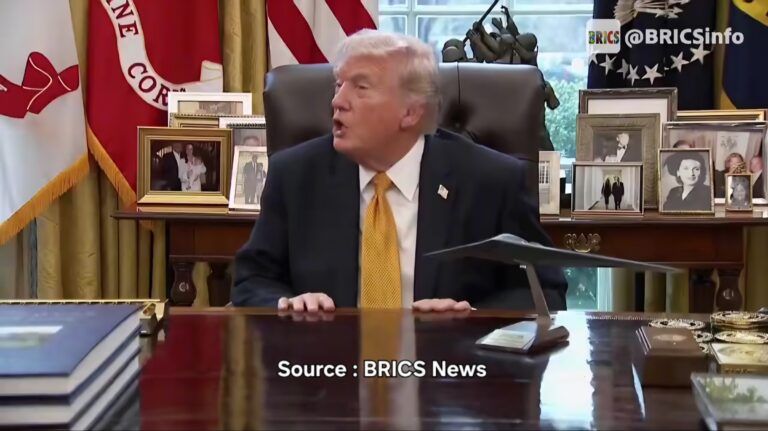
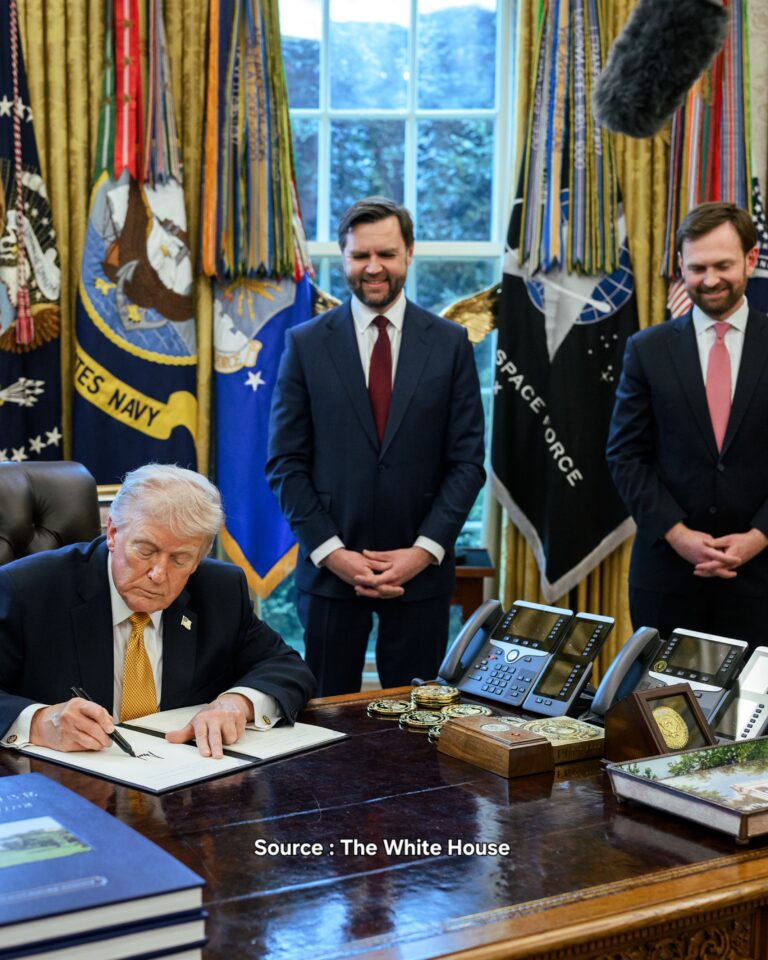
President Donald Trump weighed in from the White House, warning of severe consequences if the stalemate drags on. “If this shutdown lasts more than a week, we’re talking mass layoffs of federal workers—good people who deserve better,” Trump said in a statement. “Congress needs to get serious, or heads will roll.”
In a controversial move, the administration announced it would halt disbursements of federal grants to states governed by Democrats, framing the decision as an “emergency fiscal measure” to conserve resources during the shutdown. Critics, including California Gov. Gavin Newsom, decried it as political retaliation, with Newsom vowing legal action.
Non-essential federal services bore the immediate brunt: National parks shuttered their gates at dawn, scientific research grants froze, and passport processing slowed to a crawl. Essential operations, such as air traffic control and national security, were spared, but the ripple effects promised pain for millions.
Economists warn the shutdown could cost the economy upwards of $1 billion per day in delayed payments, furloughed worker wages, and disrupted contracts. “This isn’t just Washington dysfunction—it’s a hit to every American paycheck,” said Mark Zandi, chief economist at Moody’s Analytics.
As talks resume Thursday morning, with House Speaker Mike Johnson and Schumer set for closed-door negotiations, the clock is ticking. Lawmakers on both sides expressed cautious optimism for a breakthrough, but with midterm elections looming and healthcare at the forefront, compromise remains elusive.
The White House, in a rare X post from its official account, urged unity: “Shutdowns hurt everyone. Let’s fund the government and fix what’s broken—together.” Whether that plea lands amid the acrimony is anyone’s guess.
About The Author