By Abdullah Bugis – Journalist and Writer based in Malaysia
Living in Malaysia influences how one looks at traditions, particularly those connected to nature and heritage. This is not because Malaysia views tradition through nostalgia, but because questions of environment, conservation and cultural continuity are actively discussed. Forest management, wildlife protection and indigenous knowledge are frequently part of public conversation, policy debate and media coverage. Experiencing this environment—where culture and nature are continuously examined—shaped how I encountered falconry in Saudi Arabia.
In Malaysia, the relationship with nature involves multiple perspectives and responsibilities. Legal frameworks, conservation initiatives, economic considerations and community interests all contribute to how natural and cultural resources are managed. This layered reality informed my understanding of falconry in the Kingdom. Rather than viewing it solely as a symbolic cultural expression, I came to see it as a structured approach to managing a long-standing relationship between humans, animals and the environment.
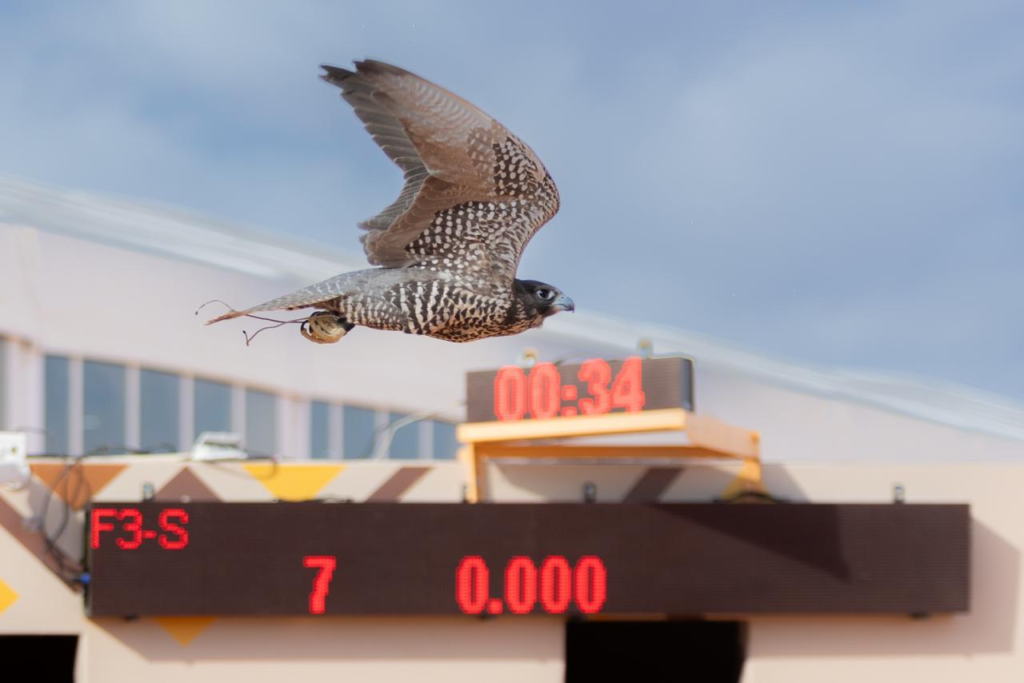
What stood out in the Saudi experience was the degree of institutional coordination surrounding falconry. Regulation, competition standards, environmental protection and professional practices operate within a unified framework. From the perspective of someone living in Malaysia—where governance often involves cooperation among various agencies and stakeholders—this model highlighted how centralized coordination can support continuity and clarity. Falconry here is sustained not only through tradition, but through organization and planning.
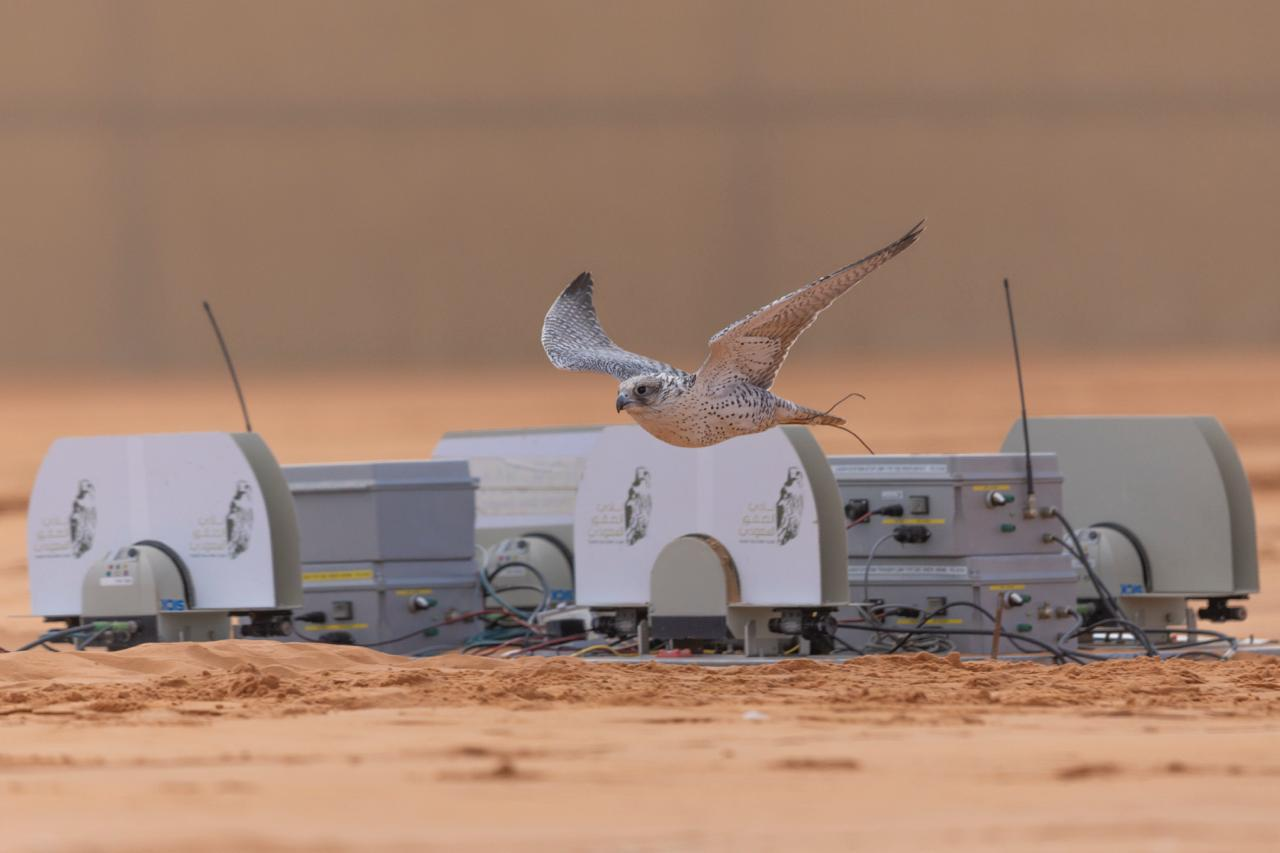
This became particularly visible during my visit to the King Abdulaziz Falconry Festival 2025. The festival brought together falconers from Asia, Europe and other regions under shared rules and technical standards. Beyond its international character, the event demonstrated how consistency and structure can reinforce the long-term viability of cultural practices. The emphasis was on process, standards and continuity alongside presentation.
Observing the competitions, it was clear that falconry had evolved into a regulated practice without losing its cultural essence. Each category was assessed according to defined technical and aesthetic criteria, ensuring fairness and transparency. For someone familiar with ongoing discussions in Malaysia about balancing regulation with cultural authenticity, this approach offered a useful point of reference.
The economic aspect of the festival further illustrated this framework. Prize awards exceeding SR38 million (around $10 million) supported a wider professional ecosystem that includes breeders, trainers, veterinary services and conservation efforts. This demonstrated how heritage-based practices can contribute to broader economic activity when supported by clear ethical and regulatory structures—an area of growing interest in Malaysia as well.
More broadly, the Saudi experience highlights an idea that resonates across many societies: that the preservation of heritage benefits from coordination, long-term planning and governance. Traditions are sustained not only through appreciation, but through systems that allow them to adapt responsibly to changing conditions.
Seen from Malaysia, falconry in Saudi Arabia can be read as a case study in heritage management rather than a point of comparison. It engages questions familiar to many countries today: how to support tradition without diminishing it, how to protect the environment while allowing cultural practices to evolve, and how to ensure continuity in a modern context.
My experience in Saudi Arabia therefore did not feel distant or detached. Instead, it provided a thoughtful reference shaped by living in Malaysia. Between Malaysia’s rainforests and Saudi Arabia’s deserts lies a shared interest in safeguarding inherited practices in a changing world. Falconry, brought together under one umbrella, offers one way of addressing that challenge—one that invites reflection beyond its immediate setting.
About The Author