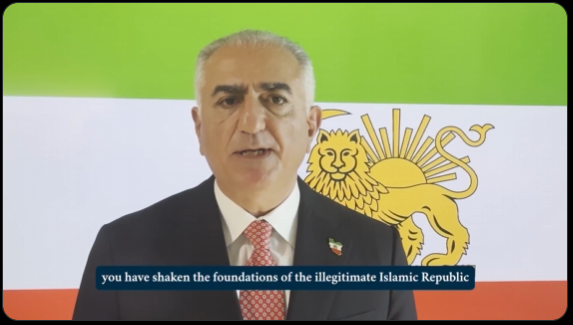
WASHINGTON D.C, January 11, 2026 – In a bold video message released on Sunday, Iran’s exiled Crown Prince Reza Pahlavi asserted that the Islamic Republic is teetering on the edge of downfall, urging Iranians to intensify their efforts to reclaim the nation.
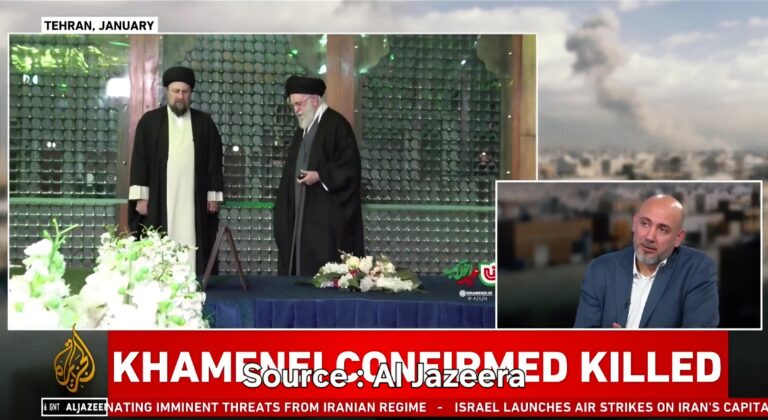
Pahlavi, son of the late Shah Mohammad Reza Pahlavi who was overthrown in the 1979 Islamic Revolution, described recent events as heavy blows to Supreme Leader Ali Khamenei’s regime and called for a new phase in the ongoing “national revolution.”
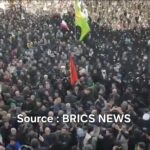
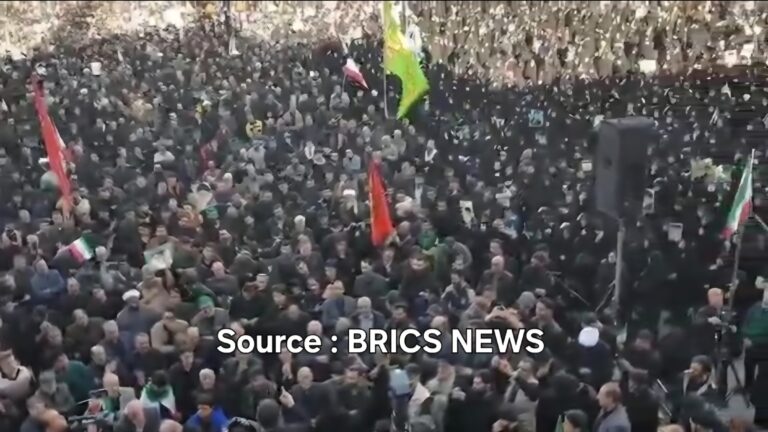
“We are on the verge of reclaiming our dear Iran from the Islamic Republic,” Pahlavi stated in the video, which has garnered significant attention on social media platforms. He highlighted protests over the past two weeks, particularly the last four days, where millions have demonstrated against what he called an “unpopular” regime. Pahlavi emphasized that the movement has evolved, with demonstrators responding en masse to calls for action.
The prince outlined a multi-faceted strategy for escalation. Inside Iran, he advocated for seizing central cities and targeting institutions accused of spreading regime propaganda, deeming them “legitimate targets.” He also appealed to the armed forces, urging them to side with the people rather than the government, warning that those who attack civilians will face consequences. Abroad, Pahlavi called for Iranian embassies and consulates to replace the Islamic Republic’s flag with Iran’s national flag, symbolizing a rejection of the current leadership.
Pahlavi’s message comes amid widespread unrest that began nearly three weeks ago, initially sparked by economic hardships including soaring inflation and fuel shortages, but quickly expanding into demands for political change and an end to clerical rule.
Protests have spread across major cities like Tehran, Isfahan, and Mashhad, with reports of clashes between demonstrators and security forces resulting in numerous casualties. Activists claim the death toll from the crackdown has risen sharply, with human rights groups documenting at least 538 fatalities.
The exiled leader, who has resided in the United States for over four decades, expressed confidence in the movement’s momentum. “Khamenei and his regime have suffered several heavy blows,” he said, attributing the government’s use of force to fear rather than strength. Pahlavi assured protesters they are not alone, hinting at impending international support and promising to return to Iran soon to stand alongside them in victory. “I am preparing to return to the homeland… I believe that day is very near,” he added.
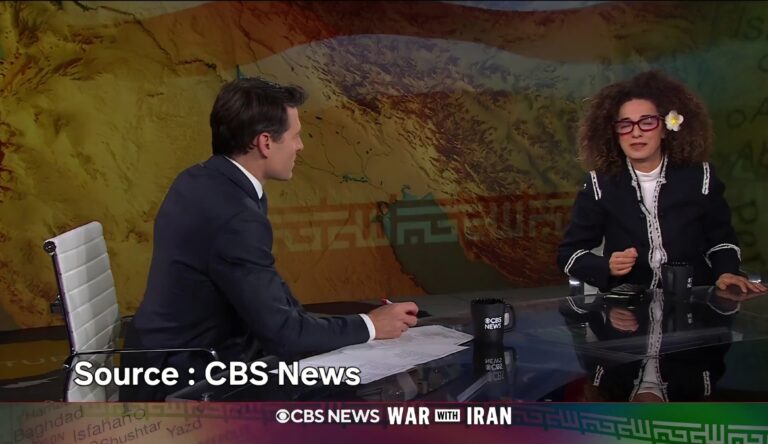
Reactions to Pahlavi’s statement have been mixed. Supporters hail him as a unifying figure for a democratic transition, with some diaspora communities echoing his calls for strikes in key sectors like energy and transportation. However, critics, including regime loyalists and some opposition voices, dismiss him as a “puppet” disconnected from Iran’s realities, arguing that his exile renders his opinions irrelevant. On social media, responses range from enthusiastic endorsements to outright rejection, reflecting the polarized views on his potential role.
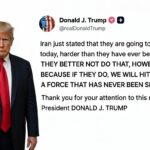
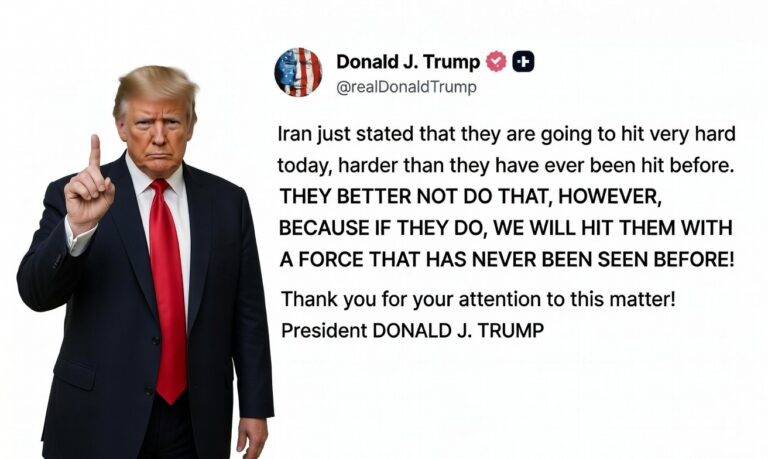
Pahlavi has positioned himself not as a monarch seeking restoration but as a “steward” for a peaceful shift to democracy, emphasizing national referendums and secular governance. He has reportedly been in contact with elements of Iran’s Revolutionary Guard, offering a secure mechanism for defections. Internationally, his pleas for support have resonated in some quarters; U.S. President Donald Trump has acknowledged the protesters’ bravery and been briefed on military options regarding Iran. Pahlavi has also appealed to the UK government for assistance in ensuring a stable transition.
As protests show no signs of abating, the coming days could prove pivotal for Iran’s future. Analysts suggest that sustained economic pressure through strikes could further weaken the regime, but the risk of intensified repression remains high. Pahlavi’s reemergence as a key figure underscores the deepening crisis facing the Islamic Republic, nearly 47 years after the revolution that ousted his family.
About The Author