
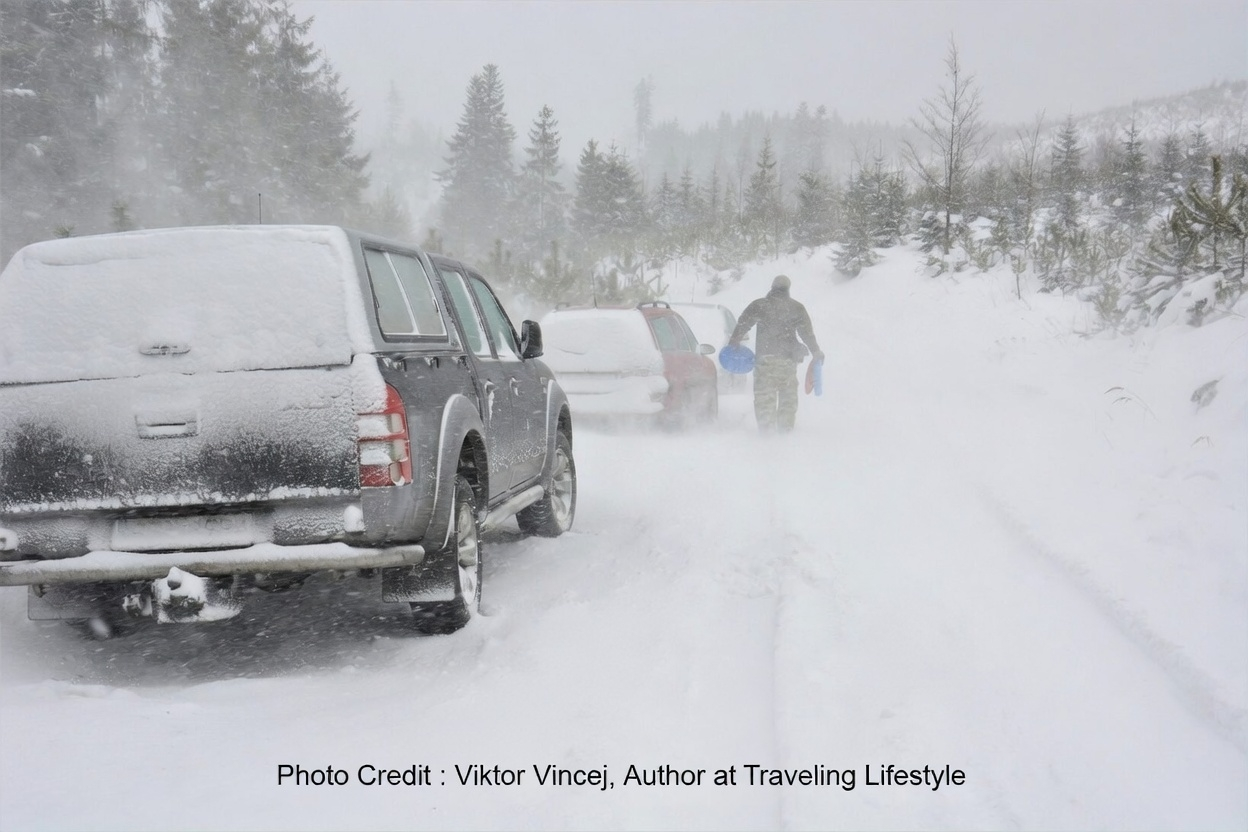
MISSISSIPPI January 27, 2026 – The U.S. Department of Homeland Security (DHS) has issued a critical advisory urging residents in Tennessee and Mississippi to stay warm and avoid roads amid a severe winter storm that has already claimed over a dozen lives and left hundreds of thousands without power across the southern United States.
The storm, dubbed Winter Storm Fern by meteorologists, has brought a rare combination of heavy snow, sleet, freezing rain, and brutal subzero temperatures to regions unaccustomed to such extreme cold. More than 800,000 customers remained without electricity as of early Monday, with the majority of outages concentrated in Tennessee and Mississippi, where ice-laden trees have toppled power lines and created hazardous conditions. In Mississippi alone, over 150,000 people are still in the dark, exacerbating the dangers of the ongoing freeze.
At least 15 storm- and cold-related deaths have been reported nationwide, including fatalities in Texas, Louisiana, Tennessee, Pennsylvania, and other states. The death toll could rise as authorities continue to assess the impact, with reports of at least 25 fatalities linked to the massive weather event that has dumped over a foot of snow in some areas and stretched across a 1,300-mile swath of the country. Tennessee Governor Bill Lee declared a state of emergency on January 22, highlighting the life-threatening risks posed by the frigid conditions.
In response, DHS posted on X (formerly Twitter) late Monday evening, emphasizing the need for affected individuals to utilize local warming shelters. “STAY WARM and STAY OFF THE ROADS!” the agency stated, directing Mississippi residents to the Mississippi Emergency Management Agency (MEMA) website for a comprehensive list of warming centers and safe rooms. The advisory includes locations such as the Adams County Safe Room in Natchez, the Alcorn County Warming Shelter in Corinth, and gender-specific shelters in Hinds County, among others scattered across counties like Bolivar, Claiborne, Coahoma, Copiah, DeSoto, Forrest, Grenada, Hancock, and Harrison.
For Tennessee, DHS provided a link to similar resources, urging immediate action to prevent further cold-related incidents. The storm’s aftermath has led to widespread disruptions, including halted air travel, icy highways like I-40 in Memphis, and shelter-in-place orders in areas like Oxford, Mississippi.
Experts warn that the risk of life-threatening cold persists, with some southern areas potentially facing record lows. Residents are advised to check local emergency services for updates and avoid unnecessary travel as recovery efforts continue. For more details on shelters, visit msema.org for Mississippi or the corresponding Tennessee resource page.
About The Author