Source : TRT WORLD
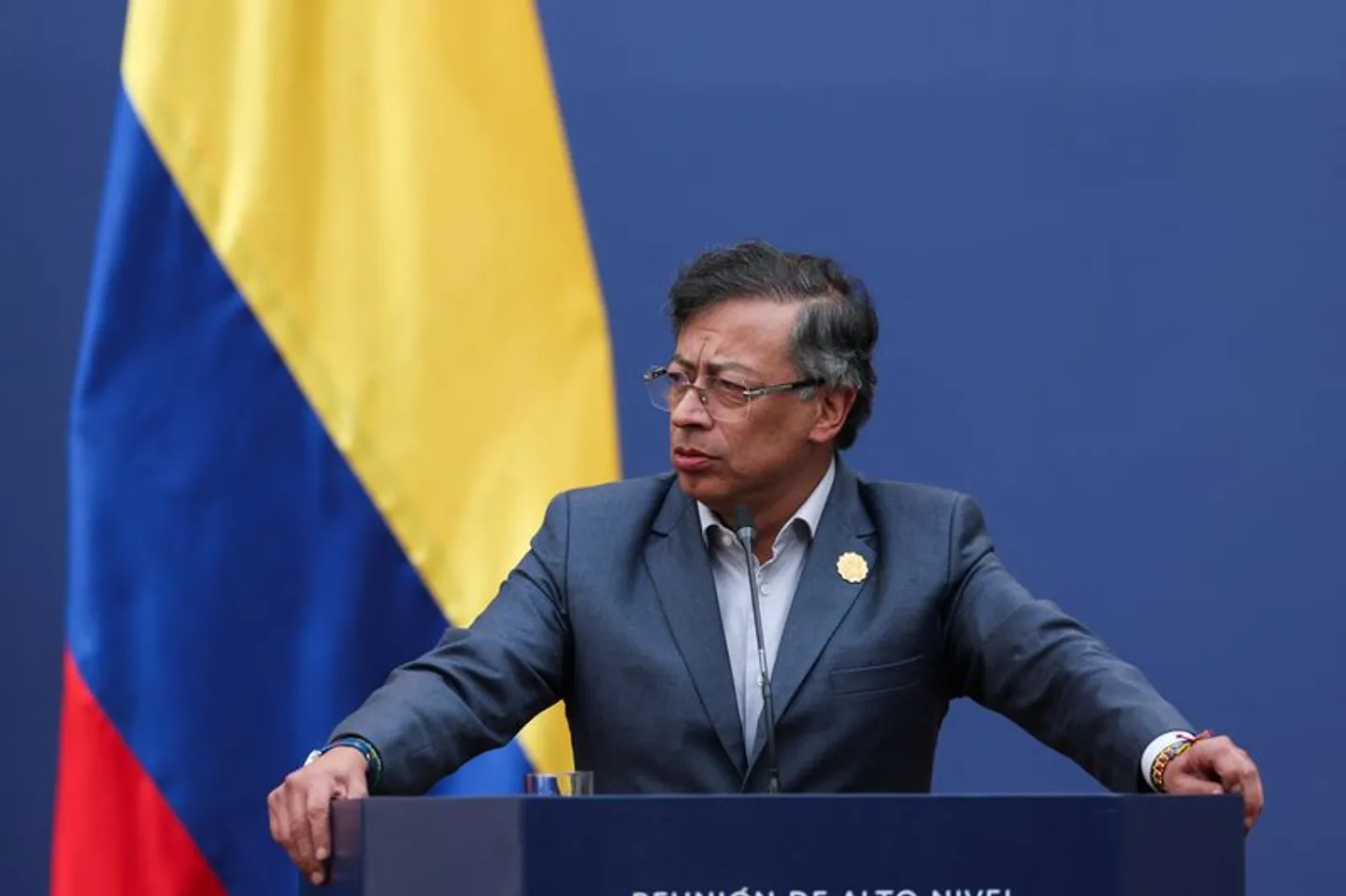
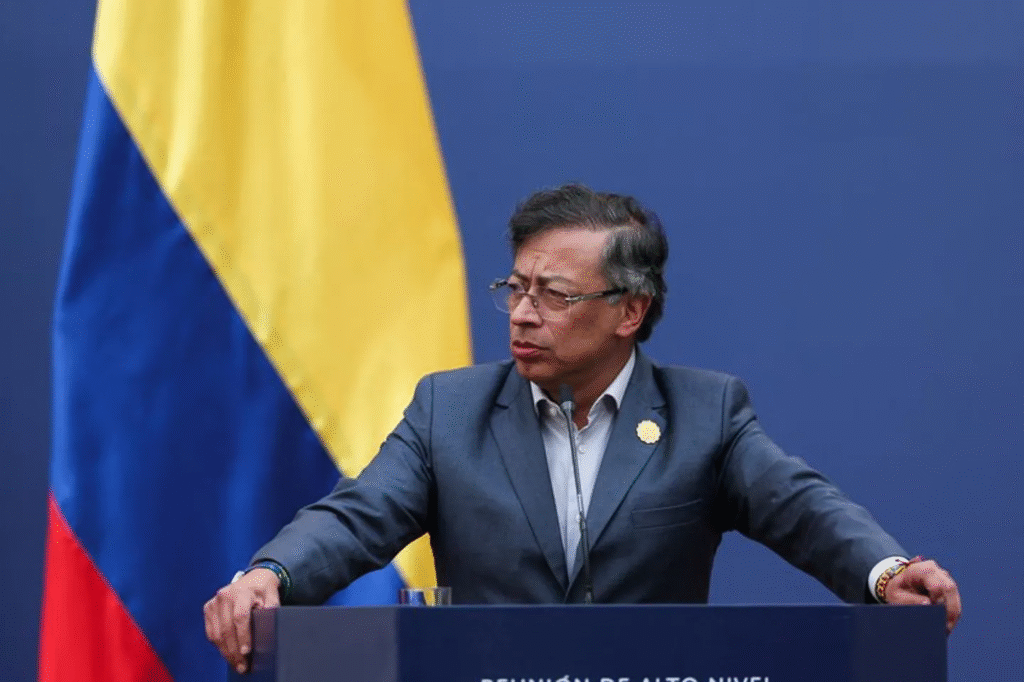
Bogotá, Colombia — In a bold escalation of tensions, Colombian President Gustavo Petro has ordered the immediate expulsion of Israel’s remaining diplomatic staff from the country, citing the “illegal” detention of two Colombian activists aboard a humanitarian flotilla bound for Gaza.
The dramatic move comes hot on the heels of an Israeli naval operation that intercepted the Global Sumud Flotilla, an international vessel carrying aid to break Israel’s longstanding blockade of the Gaza Strip. Among the crew were Manuela Bedoya and Luna Barreto, two Colombian nationals whose capture Petro decried as “a new international crime by Benjamin Netanyahu.”
According to the Global Movement to Gaza, the flotilla entered a designated high-risk zone approximately 150 nautical miles off the Israeli coast when the interception began at 23:59 UTC on Wednesday—roughly 6:59 p.m. local time in Colombia. The group condemned the action as a flagrant breach of international law and the Geneva Accords, noting that similar aid missions have faced attacks or forced interceptions in the past.
Petro, a vocal critic of Israel’s military campaign in Gaza, wasted no time in responding via X (formerly Twitter). “If these reports are true, it would be a new international crime,” he posted, vowing swift repercussions. Building on his decision earlier this year to sever diplomatic ties with Israel in May 2024, Petro announced the outright denunciation of Colombia’s Free Trade Agreement with the Jewish state—effective immediately. Any lingering Israeli envoys, he added, must pack their bags and vacate Colombian soil without delay.
The Colombian Foreign Ministry is gearing up for a legal offensive, with plans to haul Israel before its own courts and beyond. Petro called on international lawyers worldwide to rally behind Colombia’s legal squad, framing the fight as a stand against impunity.
This isn’t Petro’s first rodeo in the Israel-Palestine fray. Since taking office in 2022, the leftist leader has positioned Colombia as a staunch ally of Palestinian causes, often clashing with Western partners over the issue. The flotilla incident, however, marks a personal flashpoint, with the detained women’s plight striking a raw nerve among Colombians.
As the dust settles, questions swirl: Will this spark a broader diplomatic domino effect in Latin America, where anti-Israel sentiment has simmered amid the Gaza crisis? And could it chill trade ties that once funneled Colombian coffee and flowers to Israeli markets? For now, Bogotá’s message is crystal clear—cross this line, and you’re out.
About The Author