By Dr. Amirah Shazana Magli
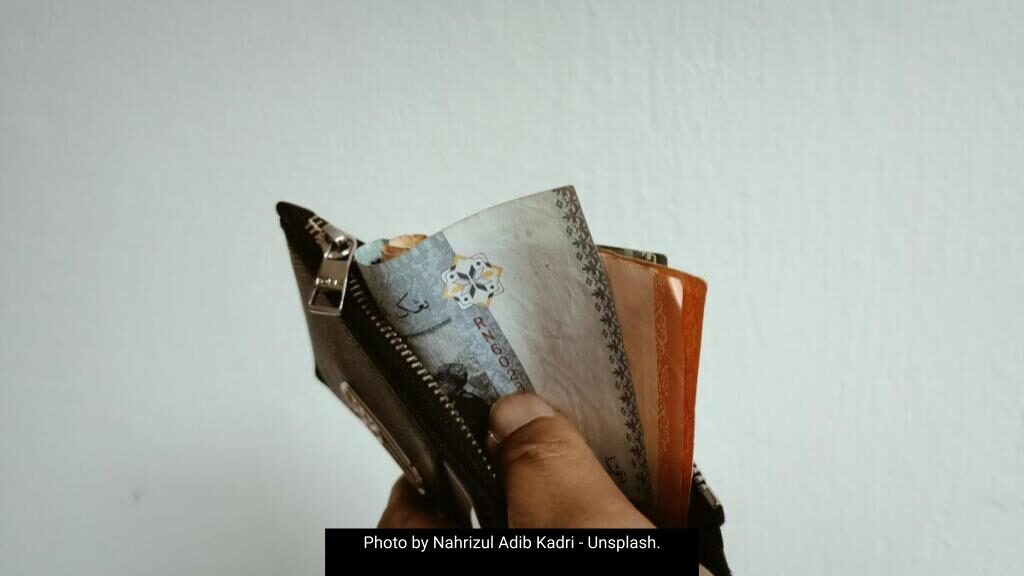
Each year, the same pattern unfolds. The festive season is celebrated with joy, generosity and vibrant spending. Yet, shortly after, many Malaysians find themselves facing a familiar reality, being financially strained, or as commonly expressed, “broke after Raya”.
The question that deserves attention is whether this has become an accepted norm, or a concerning reflection of how households manage their finances.
Festive spending is not inherently problematic. Cultural celebrations naturally involve higher expenditure, particularly on food, clothing and social gatherings. However, the issue arises when spending extends beyond affordability and is driven by short-term gratification rather than long-term financial sustainability.
Recent data from Department of Statistics Malaysia highlights that household expenditure in Malaysia continues to rise, with food and beverages, including dining out, forming one of the largest components across all income groups. This suggests that lifestyle spending, rather than necessity alone, plays a significant role in shaping financial outcomes.
At the macro level, Bank Negara Malaysia reports that Malaysia’s household debt remains elevated at over 80% of GDP. While much of this debt is manageable, the increasing reliance on credit for consumption raises concerns about financial resilience, particularly during periods of economic uncertainty.
Complementing this, Agensi Kaunseling dan Pengurusan Kredit (AKPK) has consistently identified poor spending control and overdependence on credit as key reasons individuals seek debt management assistance. These patterns are not isolated incidents, but part of a broader behavioural trend.
From a behavioural economics perspective, post-festive financial strain is closely linked to psychological drivers such as the Fear of Missing Out (FOMO) and the “You Only Live Once” (YOLO) mindset. These tendencies encourage individuals to prioritise immediate enjoyment over future financial stability.
This behaviour is reinforced by what is known as the dopamine reward system, where spending triggers a temporary sense of satisfaction. However, this satisfaction is short-lived, often followed by regret once financial obligations resurface.
The situation is further exacerbated by the widespread use of financial tools such as credit cards and Buy Now Pay Later (BNPL) schemes. While these instruments are designed to facilitate cash flow management, they can become problematic when used to sustain a lifestyle beyond one’s means.
A key warning sign of financial distress is when individuals begin relying on credit for essential expenses. Coupled with the practice of making only minimum repayments, this can lead to a gradual but significant accumulation of debt, often unnoticed until it becomes overwhelming.
Rather than normalising the “broke after Raya” phenomenon, it should be treated as a wake-up call.
The immediate step is to reassess spending priorities. Essential expenditures such as housing, utilities and children’s education, must take precedence. At the same time, discretionary spending, including frequent dining out and impulsive purchases, should be moderated, especially in the post-festive period.
Equally important is the need for forward planning. Seasonal expenses such as festive celebrations, school-related costs and weddings are predictable, yet often insufficiently planned for. A simple strategy, such as setting aside a fixed monthly amount in preparation for festive spending, can significantly reduce financial strain.
For instance, an estimated annual festive budget of RM3,000 can be managed by saving approximately RM250 per month. This approach reduces reliance on bonuses or short-term credit solutions.
Emergency savings also play a crucial role in financial stability. These funds act as a buffer against unexpected shocks and help prevent individuals from resorting to high-risk borrowing practices.
In addition, the digital economy has opened up opportunities for supplementary income. From selling preloved items to participating in affiliate marketing or freelance services, individuals now have more avenues to strengthen their financial position.
However, these efforts must be balanced with personal well-being and family responsibilities.
Ultimately, financial discipline is not about restricting enjoyment, but about ensuring sustainability. The principle of moderation, deeply rooted in cultural and religious values, remains highly relevant in today’s consumer-driven environment.
Being financially strained after Raya should not be viewed as inevitable. With greater awareness, disciplined planning and a shift in behavioural habits, Malaysians can celebrate meaningfully without compromising their financial well-being.
Because in the end, true financial wisdom is not reflected in how much is spent during the festive season, but in how well one manages what remains after it.

Dr. Amirah Shazana Magli is from the Faculty of Business and Economics, Universiti Malaya
About The Author