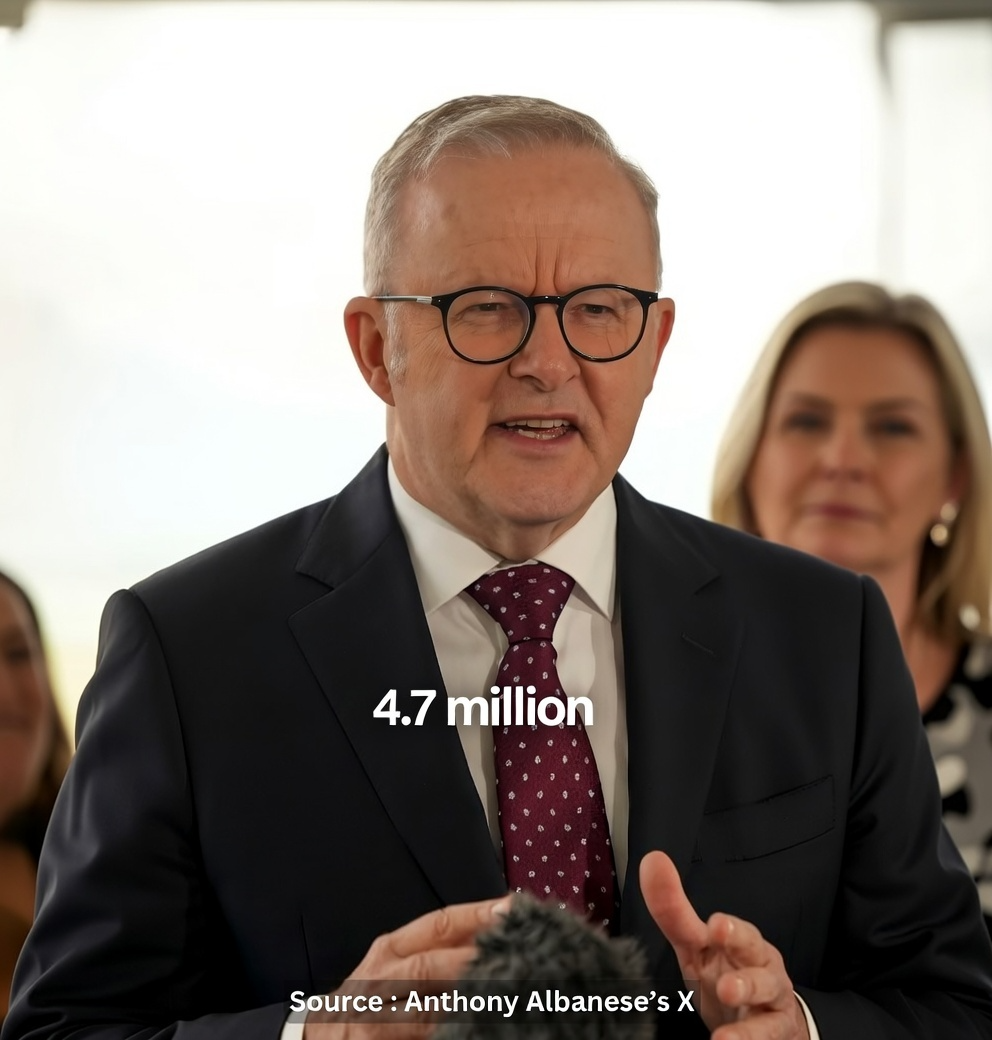
CANBERRA January, 16 2026 – In a landmark move hailed by the government as a victory for child safety, Australia has seen the deactivation of over 4.7 million social media accounts belonging to users under 16 since the implementation of its groundbreaking ban last month. Prime Minister Anthony Albanese announced the figures, emphasizing the policy’s role in “giving kids back their childhood and parents peace of mind.”
The ban, which took effect on December 10, 2025, prohibits children under 16 from accessing major platforms including Facebook, Instagram, TikTok, Snapchat, X (formerly Twitter), YouTube, Reddit, Twitch, and Kick. Social media companies face fines of up to A$49.5 million (approximately US$33 million) for non-compliance. According to data from Australia’s eSafety Commissioner, platforms collectively removed or restricted access to these accounts in the initial weeks, with many companies preemptively shutting down suspected underage profiles before the deadline.
Albanese shared the update via a video on X, where he described the legislation as “world-leading.” In the clip, he is joined by Communications Minister Michelle Rowland, who added a personal touch: “As a mum of three young kids who are below the age of the ban, I can tell you that the last five weeks of school holidays have been fantastic for me and my family.” The government argues the ban addresses rising concerns over mental health issues, cyberbullying, and addictive algorithms targeting youth.
While the ban enjoys strong public support—polls show up to 77% of Australians back it—critics argue it may do more harm than good. Human rights groups and academics contend it infringes on young people’s freedom of expression and access to information, potentially isolating vulnerable groups.
Privacy concerns are also prominent, with age verification requiring sensitive data like biometrics or government IDs, raising risks of data breaches and surveillance. Some, including journalist Taylor Lorenz, have labeled it a “tactic for censorship and surveillance” rather than genuine protection, pointing to lobbying groups with ties to advertising firms that could benefit from collected data.
On X, reactions to Albanese’s post were largely negative, with users accusing the government of overreach. One reply stated, “You’re doing immense damage: Increased social isolation and loss of connection,” while another claimed, “All the kids got around it with VPNs.” Tech companies like Reddit have launched legal challenges, arguing the ban curtails political discourse and is inefficient.
Experts warn that children may migrate to unregulated platforms or dark web alternatives, potentially exacerbating risks without addressing root causes like algorithmic design. Longitudinal studies on the ban’s mental health impact are lacking, with some researchers calling for targeted regulations instead of blanket prohibitions.
Australia’s experiment is being closely watched worldwide. Countries like Denmark and the UK are considering similar measures, while the US and EU debate enhanced child protections. If successful, it could inspire a wave of restrictions; if not, it may highlight the challenges of regulating the digital age.
As the ban evolves, eSafety plans to monitor compliance and evasion tactics, with full enforcement expected by late 2026. For now, the policy underscores the tension between safeguarding youth and preserving online freedoms.
Source: Anthony Albanese’s X
About The Author