Government antisemitism adviser Lord Mann opens an investigation into the BBC
 Ernie AI
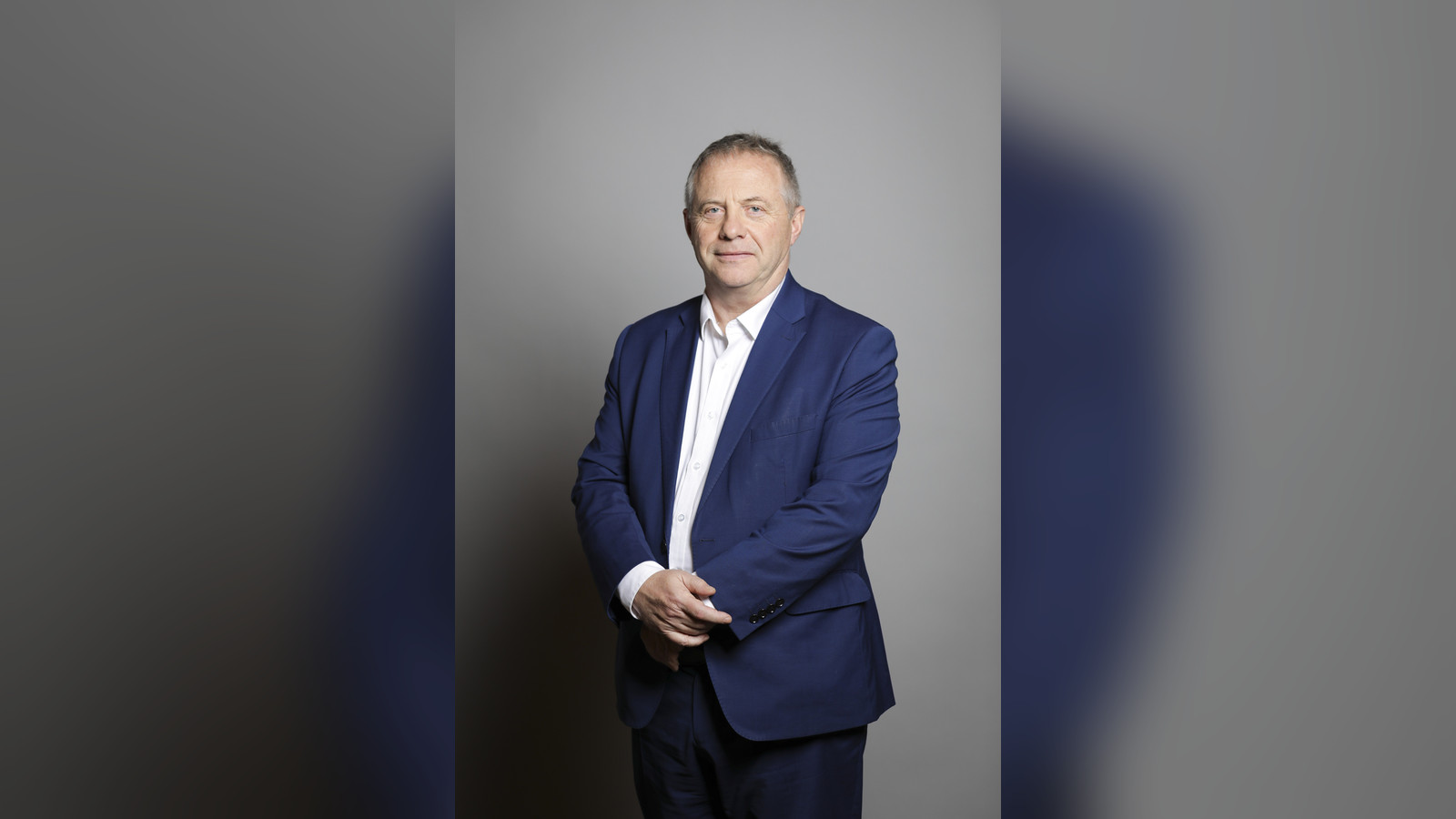
Lord Mann, official portrait. Credit: Roger Harris / Wikimedia Commons (CC BY 3.0), 18 December 2019.
LONDON, 27 November 2026 — The British government’s independent adviser on antisemitism, Lord Mann, has opened an investigation into the BBC over allegations of a “hostile work environment” for Jewish staff, he told BBC Radio 4’s Today programme.
Mann said he had decided to act “because there seems to be a growing feeling of discomfort among Jewish staff.” “If that’s true, and that’s what I’m going to attempt to find out, and if that is widespread, then that’s a really serious problem that has to be addressed. And I don’t hear and see that being addressed, and at a senior level.”
He offered “total anonymity guaranteed” to anyone who contacted him, described himself as “an entirely blank sheet of paper,” and said he had “no agenda against the BBC.” He plans to complete the investigation and report to the BBC and the government before Easter.
The BBC said it takes “any and all allegations of discrimination extremely seriously — there is no place for it at the BBC.” It said it had introduced compulsory antisemitism training for all staff and that it “actively encourage[s] colleagues to report any incidences or concerns they have.” The corporation added that it is “determined to ensure the BBC is a place where everyone can be themselves and feel accepted.”
A government warning, and a denied inquiry
The Department for Culture, Media and Sport said: “This government will not tolerate antisemitism. It has no place in our society. The BBC has a crucial role in ensuring all communities are heard and feel valued as part of our public life. That is the standard that we expect the BBC to be held to. We will consider Lord Mann’s independent report carefully when we receive it.”
The intervention comes after the BBC’s deputy director-general, Rhodri Talfan Davies, told the Broadcasting Press Guild earlier this month that he did not accept the need for an independent inquiry. “We have very, very robust processes — we review them regularly,” he said. “Of course in any large organisation there can be instances of discrimination, which you deal with when they arise, but there is no evidence of any systemic issue within the BBC that would merit anything like that. I don’t believe there is institutional discrimination of any sort in the BBC.”
Mann, a former Member of Parliament who was appointed as an independent adviser by Theresa May in 2019, said he had previously “made suggestions” after “repeatedly” meeting Jewish staff, and that “the things that the BBC has done to try and sort things out have not worked.” His aim, he said, was “ensuring the BBC meets its charter obligations,” because “people are fearful… of expressing their concerns internally.”
“Look, there is a problem. The question is — is the problem just a few people? Is it a problem that’s easily solved? But if it’s an institutional problem, that’s much deeper and more difficult to solve. It may be. I’ll report the facts.”
A year of related controversies
The Board of Deputies of British Jews welcomed a review into “deeply concerning” experiences of Jewish staff, saying the BBC “should be setting the gold standard for an inclusive workplace and impartial broadcasting.”
Last month, Oscar-winning producer Lucie Kon said the BBC had given her a £400,000 payout after she raised antisemitism concerns. The BBC said it did not uphold allegations of antisemitism but accepted there were “shortcomings” in how it treated Kon, which had a “personal impact” on her. In January the corporation apologised for language in Holocaust Memorial Day coverage that referred to “six million people” or “six million mostly Jewish people,” rather than “six million Jewish people” murdered by the Nazi regime. Last September, a BBC broadcast of Bob Vylan’s Glastonbury set was found to have broken editorial guidelines; the complaints unit ruled that some comments could “fairly be characterised as antisemitic.” The band denied being antisemitic.
Mann has previously reviewed antisemitism and racism in the National Health Service, reporting in June. His BBC inquiry will now test, in public, a disagreement the corporation had hoped to keep as an internal matter: whether Jewish staff face a problem that is isolated, or one that is institutional.
About The Author









 Bard AI
 Azrul Rizal

 Mohd Nazhrieyan Jailani


 Lee AI
 Rizal Omar