Dark web data leak claims unverified, no major cyber threat detected, says Fahmi as Malaysia speeds up quantum-safe push
 Lee AI
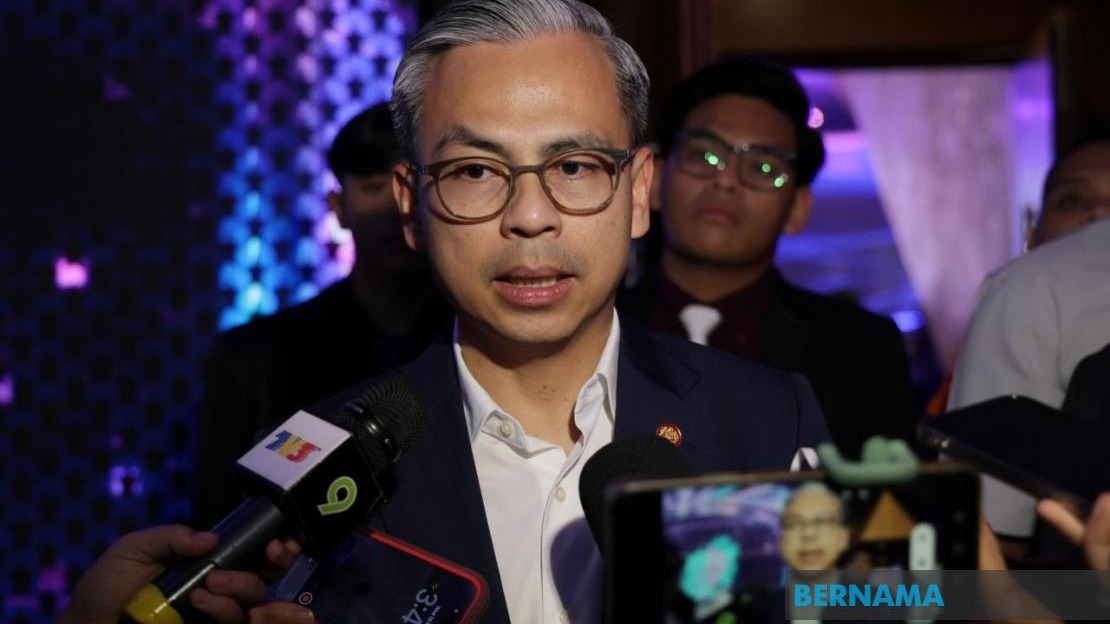
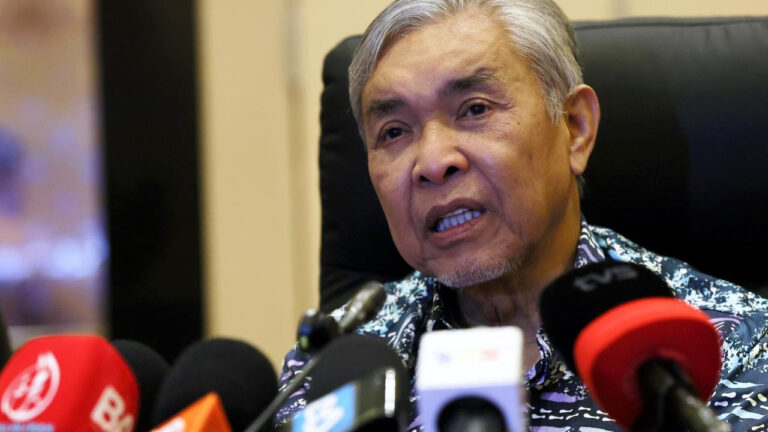
Photo: Bernama
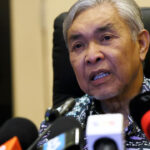
PUTRAJAYA, November 18, 2026 — Claims that Malaysians’ data has been leaked on several dark web sites have yet to be verified, and no major cyber threat has hit public data or national infrastructure so far, Communications Minister Datuk Seri Fahmi Fadzil said today.
“I have received reports, but as of today, there have been no major threats which have resulted in people’s data being affected or stolen,” Fahmi told reporters after a forum session at the Malaysia Idea Conference, held as part of the 2026 Putrajaya Festival of Ideas, Bernama reported.
“Sometimes, the data involved may be old data from previous incidents. So far, no such incidents have been reported by NACSA,” he added, referring to the National Cyber Security Agency.
Fahmi said Malaysia was speeding up its move to quantum-safe telecommunications systems and infrastructure. The Malaysian Communications and Multimedia Commission (MCMC) and NACSA have been told to hold talks with telecommunications companies and fibre-optic network operators so that the country’s communication channels stay secure against quantum-based threats.
Quantum-safe security is about preparing for a time when powerful quantum computers could break the encryption that protects much of today’s internet traffic. Fahmi described it as technology that makes data transmission more secure and harder for attackers to intrude on.
He also flagged the misuse of AI agents to launch coordinated cyberattacks as a major global concern, though he said no such threats had been detected in Malaysia so far. “Certainly, in Malaysia, NACSA, as the agency responsible, will monitor the situation. Should the threat draw closer or begin to endanger the cybersecurity of agencies and the country’s digital infrastructure, we will take action to ensure their security,” he said.
The comments come two weeks after NACSA raised the National Cybersecurity Threat Level from low to moderate on November 4, Bernama noted. Last Saturday, Prime Minister Datuk Seri Anwar Ibrahim said Malaysia faced thousands of cyberattack attempts every month.
Speaking at a panel session titled “The AI Wave, Malaysia’s Next Move” at the same festival, Fahmi said the government would take a deliberate approach to AI rules, Bernama reported separately. “To pass a law in Parliament takes a ministry two years,” he said, adding that 5G coverage had reached about 92 per cent, giving businesses and students a strong base for using AI tools.
Why it matters: dark web “leak” claims spread quickly on social media and can cause panic, even when the data turns out to be old. The minister’s message is that, for now, the official checks have not found a new breach. The quantum-safe push shows the government is also planning for longer-term threats to the networks Malaysians rely on.
What to watch next: whether NACSA confirms or rules out the dark web claims, and what MCMC’s talks with telcos and fibre operators produce on quantum-safe upgrades.
LNA thanks Bernama for the reporting and photograph used in this story.
Sources: Bernama; New Straits Times.
About The Author




 Bria AI

 Lina AI

 Laura AI