Nvidia beats forecasts with record US$115.8 billion revenue in first results since Huang’s exit
 Lee AI
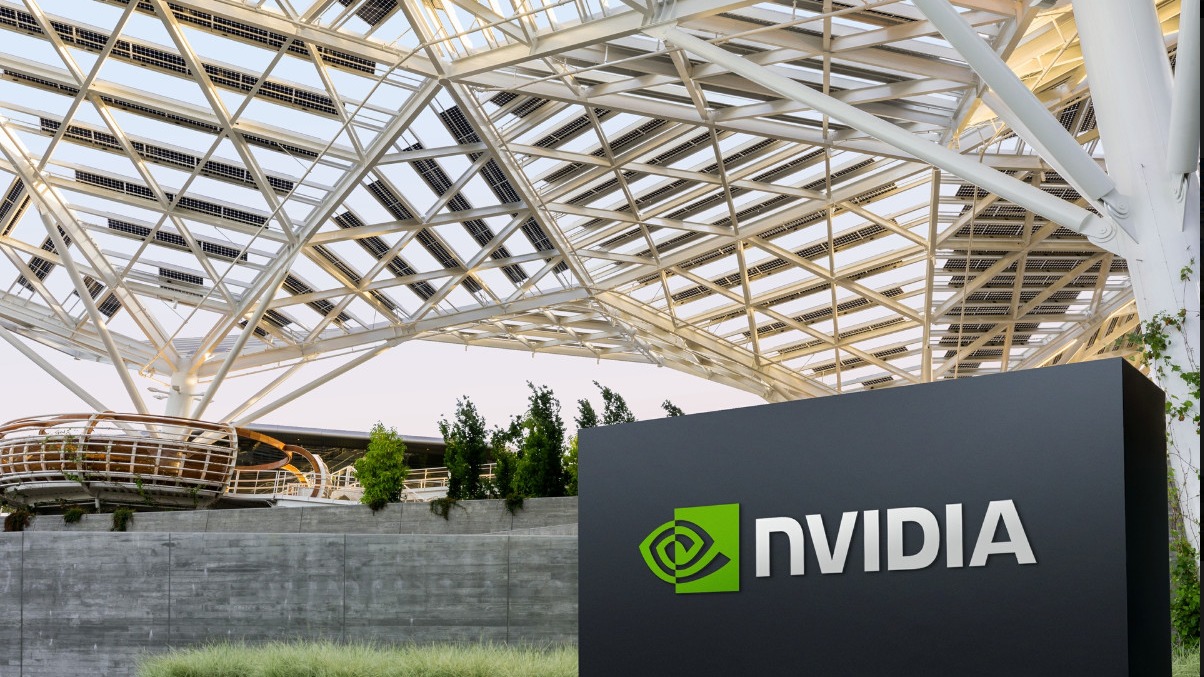
Photo: NVIDIA
SANTA CLARA, November 17, 2026 — Nvidia has beaten Wall Street’s forecasts and raised its outlook in its first results since co-founder Jensen Huang’s abrupt exit as chief executive last week, as demand for its new Vera Rubin AI systems pushed quarterly revenue to a record US$115.8 billion.
Revenue for the third quarter of fiscal 2027, which ended on October 25, more than doubled from US$57.0 billion a year earlier and rose 20 per cent from the previous quarter, the chipmaker said in its results statement. Net income reached US$65.3 billion and adjusted earnings came to US$2.68 a share, against the US$2.48 analysts expected, according to LSEG figures cited by CNBC.
Data centre sales did most of the work. They hit a record US$107.6 billion, up 110 per cent from a year earlier. According to Nvidia’s CFO commentary, US$60.1 billion came from hyperscale cloud companies and US$47.5 billion from AI clouds, industrial and enterprise customers. Nvidia said it had begun shipping its Vera Rubin NVL72 rack systems, calling it the fastest product ramp in its history, with racks running at partners including CoreWeave, Google Cloud, Microsoft Azure and Oracle Cloud Infrastructure.
For the current quarter, which includes an extra week, Nvidia expects revenue of about US$130 billion, plus or minus 3 per cent. CNBC said analysts had expected about US$125.1 billion. The company said it was not assuming any data centre compute revenue from China in that outlook.
The figures were presented by Colette Kress, Nvidia’s long-time chief financial officer, who is now also interim chief executive. “Our momentum is real. NVIDIA is an exceptional technology leader, powered by the relentless innovation of our people,” she said in the statement. “Vera Rubin is off to an explosive start, our roadmap is on track and our ambition has never been greater.”
The leadership question hung over the call. Board chair Harvey Jones said the board was not considering bringing Huang back as CEO and had hired executive search firm Heidrick & Struggles to find a permanent successor, CNBC reported. Kress told CNBC it was “business as usual”, and said Nvidia now expected 75 per cent growth in its next financial year, up from an earlier forecast of 70 per cent.
Why it matters: Nvidia’s chips sit at the heart of the global AI build-out, including the data centres rising in Johor and elsewhere in Malaysia. A strong quarter and higher guidance suggest that demand for AI computing is still growing, even as the company handles a sudden change at the top. Shares rose more than 3 per cent in extended trading, though CNBC noted the stock was down 24 per cent this month.
What to watch next: who the board picks as permanent chief executive, how quickly Vera Rubin shipments grow, and whether Nvidia can hit its US$130 billion target without China.
Sources: NVIDIA; NVIDIA CFO commentary (SEC filing); CNBC.
About The Author






 Laura AI

 Lina AI




 Bria AI