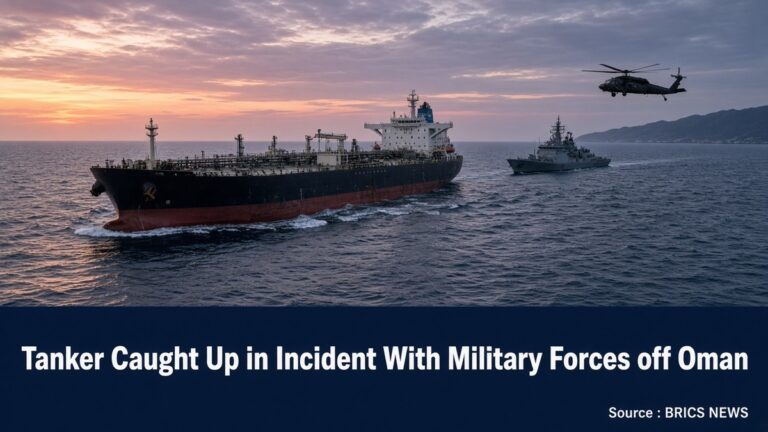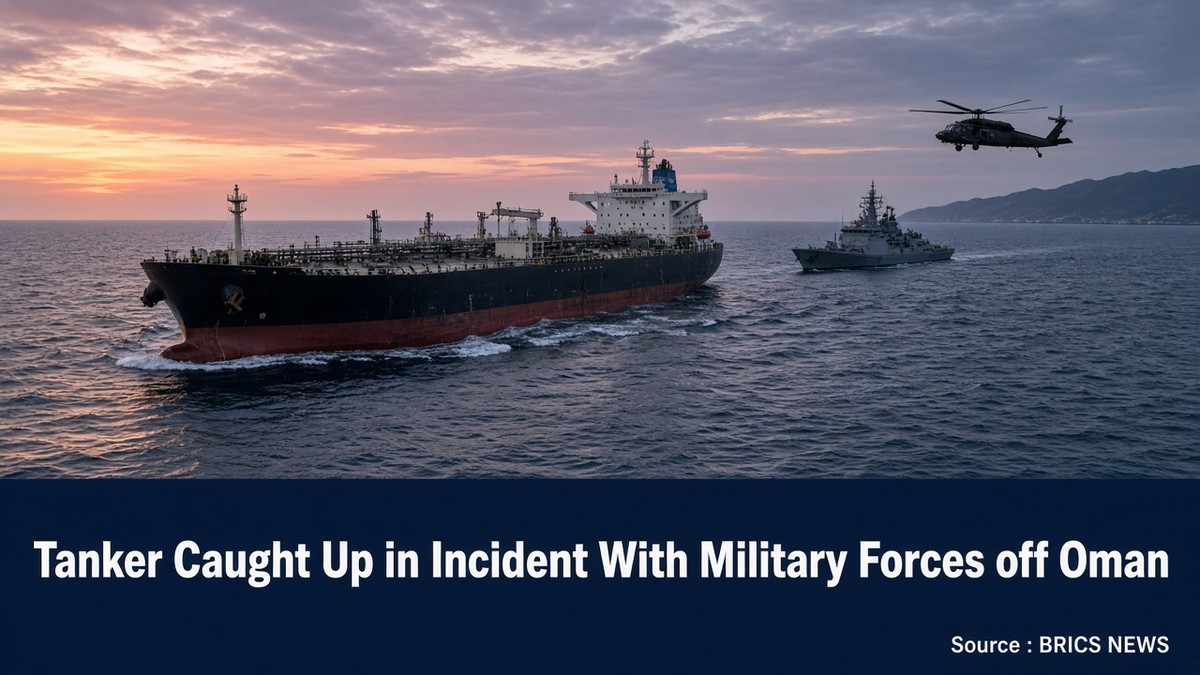
Source : BRICS NEWS
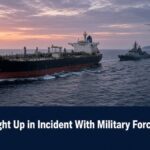
MUSCAT — An oil tanker has reportedly been involved in an incident with military forces off the coast of Oman, BRICS News reported on X on Tuesday (Oct 20), the latest in a string of security alerts affecting merchant shipping in waters around the Strait of Hormuz.
“Oil tanker reportedly involved in incident with military forces off the coast of Oman,” BRICS News said in its post. The report follows an advisory from the United Kingdom Maritime Trade Operations (UKMTO), the British agency that monitors shipping security in the region, which said it had received a report of an incident involving a tanker and military forces approximately 121 nautical miles east of Duqm, a port town on Oman’s Arabian Sea coast.
“Reports indicate that the tanker was subject to interaction as part of ongoing military activity in the region,” UKMTO said, adding that authorities were aware of the incident and that investigations remained ongoing. According to Anadolu Agency, the agency said the incident took place at 1000 GMT on Monday (Oct 19).
UKMTO did not identify the tanker, its flag or its owner, nor did it say which military forces were involved or what form the interaction took. Anadolu Agency reported that the agency gave no details of any casualties or damage. UKMTO advised vessels in the area to consider the latest maritime security information and to maintain awareness of the evolving operational environment.
The incident comes amid a sharp rise in attacks on shipping in and around the Strait of Hormuz, the narrow waterway between Iran and Oman through which about one-fifth of global oil consumption passed before the US-Israeli war on Iran began in late February. UKMTO has said at least 10 vessels were attacked in or near the strait in the week to Oct 18, a weekly high since the war broke out, and that 23 attacks had been recorded since the start of the month, CBS News reported.
Analysis by BBC Verify of UKMTO data found that 12 vessels reported being attacked between Oct 5 and Oct 11, the largest weekly number since the conflict began. Experts cited by the BBC said Iran had been attacking ships to assert greater control over the waterway as the US military increased the number of tankers it escorts through the south of the strait, and that Tehran was also carrying out more attacks on vessels further away from the Strait of Hormuz.
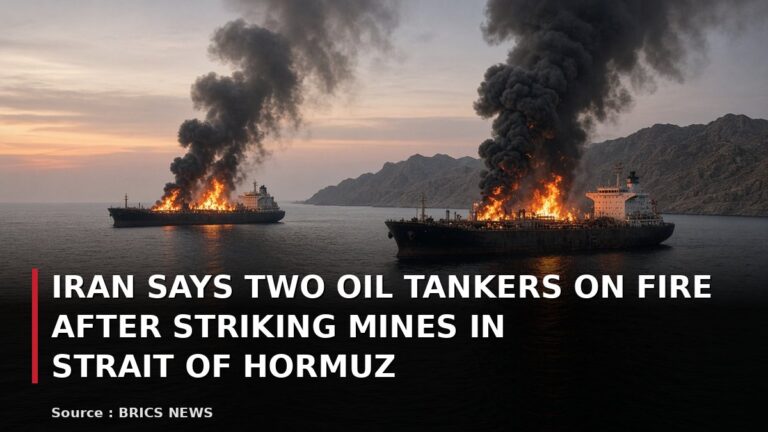
The United States continues to enforce a naval blockade of Iranian ports, while Iran has demanded that all ships seek its authorisation before transiting the strait. Earlier on Tuesday, Iran’s Islamic Revolutionary Guard Corps Navy claimed that two oil tankers had been set ablaze after hitting Iranian mines south of the strait, a claim that has not been independently confirmed. The German Navy’s shipping centre has said that previously announced US clearance of mines in the strait’s international waters has also yet to be independently verified.
Diplomatic efforts to ease the crisis remain stalled. Iranian Foreign Minister Abbas Araghchi said on Sunday (Oct 18) that the Strait of Hormuz would reopen on the sixth day of a deal if Washington met the conditions in Tehran’s seven-day ceasefire proposal, which calls for an end to the US blockade, the lifting of sanctions on Iranian oil and a ceasefire on all fronts, CBS News reported.
The disruption continues to weigh on energy markets. Brent crude futures rose to US$111.05 a barrel on Tuesday, the highest level since May, Reuters reported, as traders priced in a risk premium from attacks on vessels in the Gulf.
The original BRICS News post can be viewed on X: https://x.com/BRICSinfo/status/2112504662620274831.
About The Author