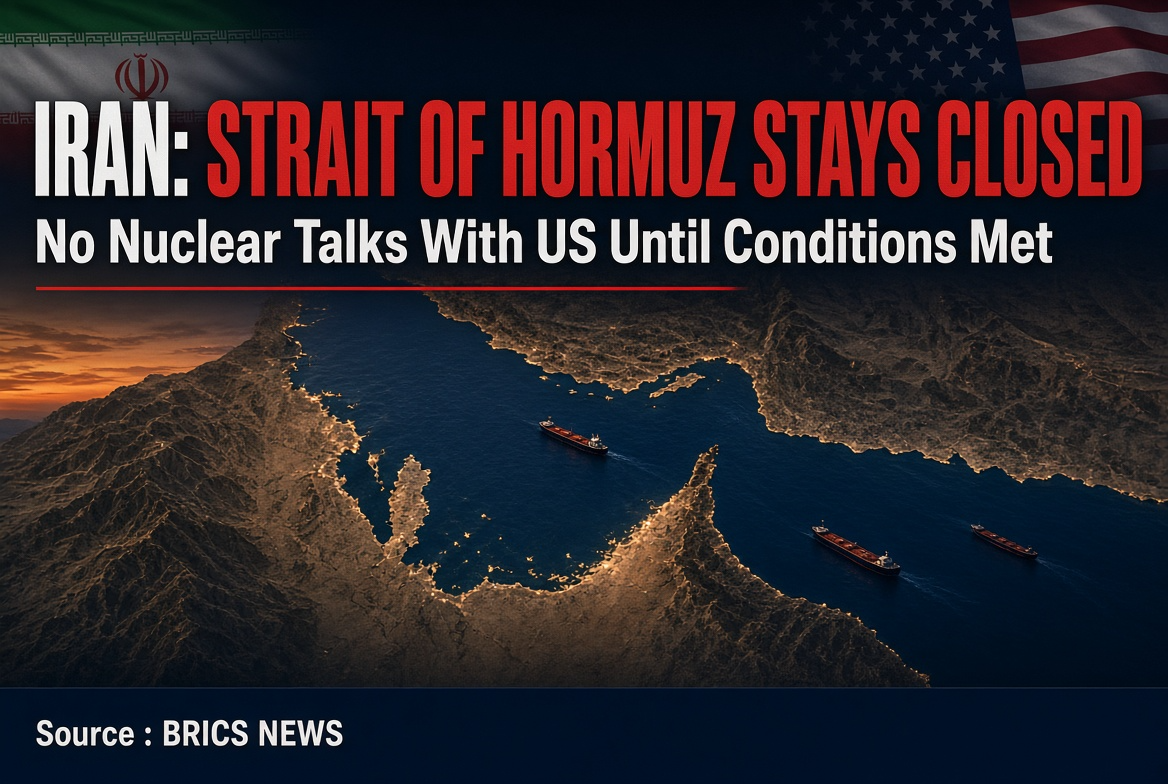
TEHRAN Sept 25, 2026 – The position, restated Friday as Iranian officials engaged in diplomacy on the sidelines of the U.N. General Assembly in New York, underscores Tehran’s insistence that the waterway stay restricted until the United States honors terms Tehran says were already agreed in a short-lived June 2026 memorandum of understanding.
Foreign Minister Abbas Araghchi said that if those conditions are met, the strait could reopen at the end of seven days and talks could restart. He described the demands as “nothing new, nothing more than what was already in the Islamabad MOU, which was signed by the U.S. president.”
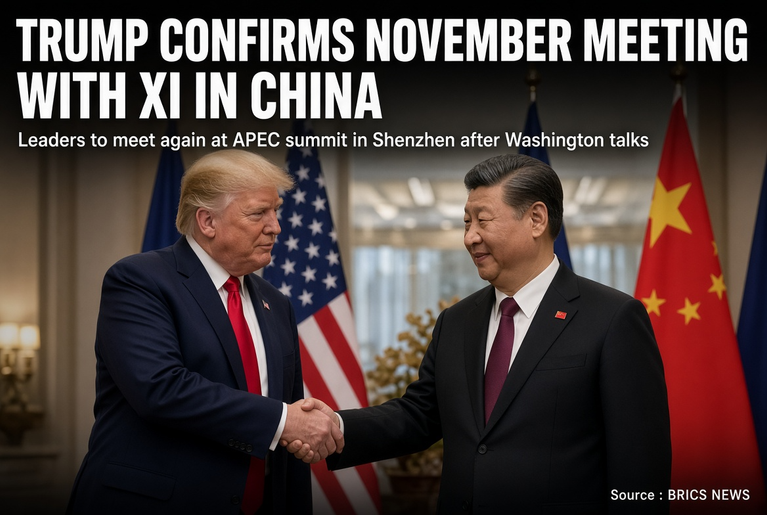
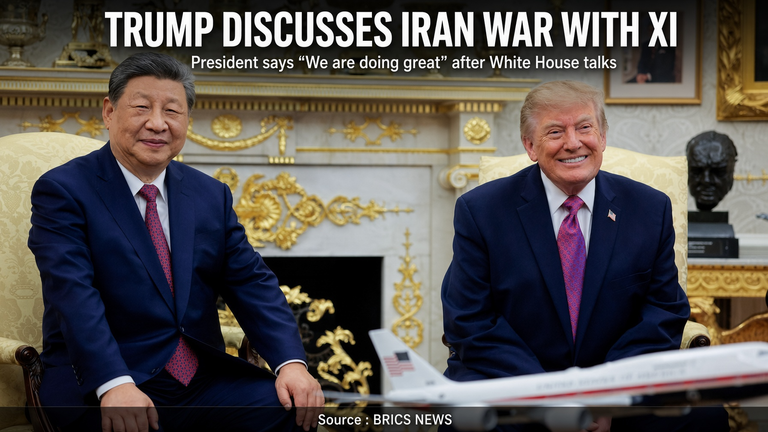
That June memorandum of understanding, signed by President Donald Trump and Iranian President Masoud Pezeshkian after mediation involving Pakistan, had paused fighting, reopened shipping lanes on a temporary basis, and set a 60-day window for broader nuclear and sanctions talks. The arrangement collapsed in early July amid mutual accusations of violations, including renewed attacks on shipping and the continuation of the U.S. naval blockade of Iranian ports.
Since then, Iran has treated control of the Strait of Hormuz — a chokepoint through which roughly one-fifth of the world’s seaborne oil typically passes — as its primary source of leverage. U.S. forces have enforced a blockade that has sharply constrained Iran’s oil exports and access to hard currency, while Tehran has restricted or disrupted transit through the strait and asserted that it, together with Oman, should manage the waterway.
Iranian officials have repeatedly listed the same core demands: an end to the U.S. naval blockade, the release of frozen assets, relief from oil sanctions, and a halt to hostilities that includes related fronts. Parliament Speaker Mohammad Bagher Ghalibaf and other senior figures have said the strait will not return to pre-war conditions until those steps are taken.
The Trump administration has indicated it will not simply return to the June terms. Indirect contacts this week between Araghchi and U.S. envoys, including through Qatari mediation, have produced no public breakthrough. President Pezeshkian has said Iran wants a deal before the U.S. midterm elections but has also insisted Tehran will not surrender under pressure.
Shipping through the strait has remained far below normal levels at times, with traffic falling to a handful of daily transits during acute periods of tension. Energy markets have stayed sensitive to any sign that the waterway could stay closed or reopen only under Iranian terms. Oil prices were little changed Friday after the latest statements.
The standoff has now lasted nearly seven months since U.S. and Israeli strikes on Iran began in late February. Both sides continue to treat the strait and the blockade as the central bargaining chips in any path out of the conflict. Tehran’s latest message is that neither the waterway nor nuclear diplomacy will move first. Washington must act on the conditions Iran says were already on the table in June.
About The Author