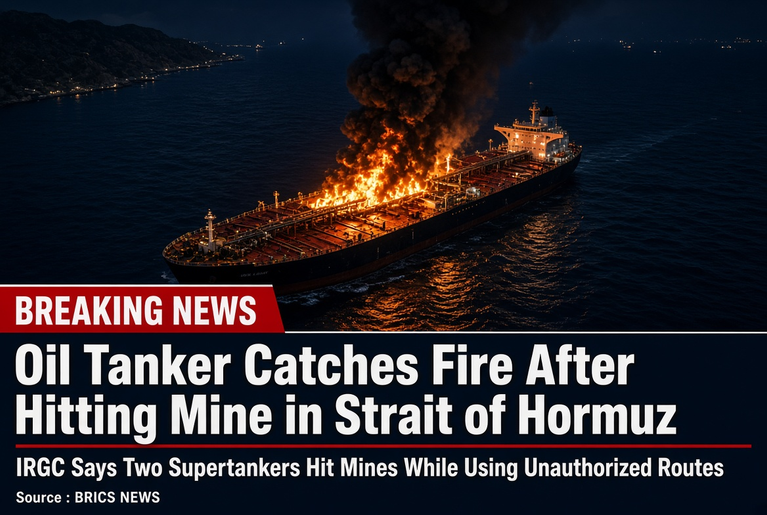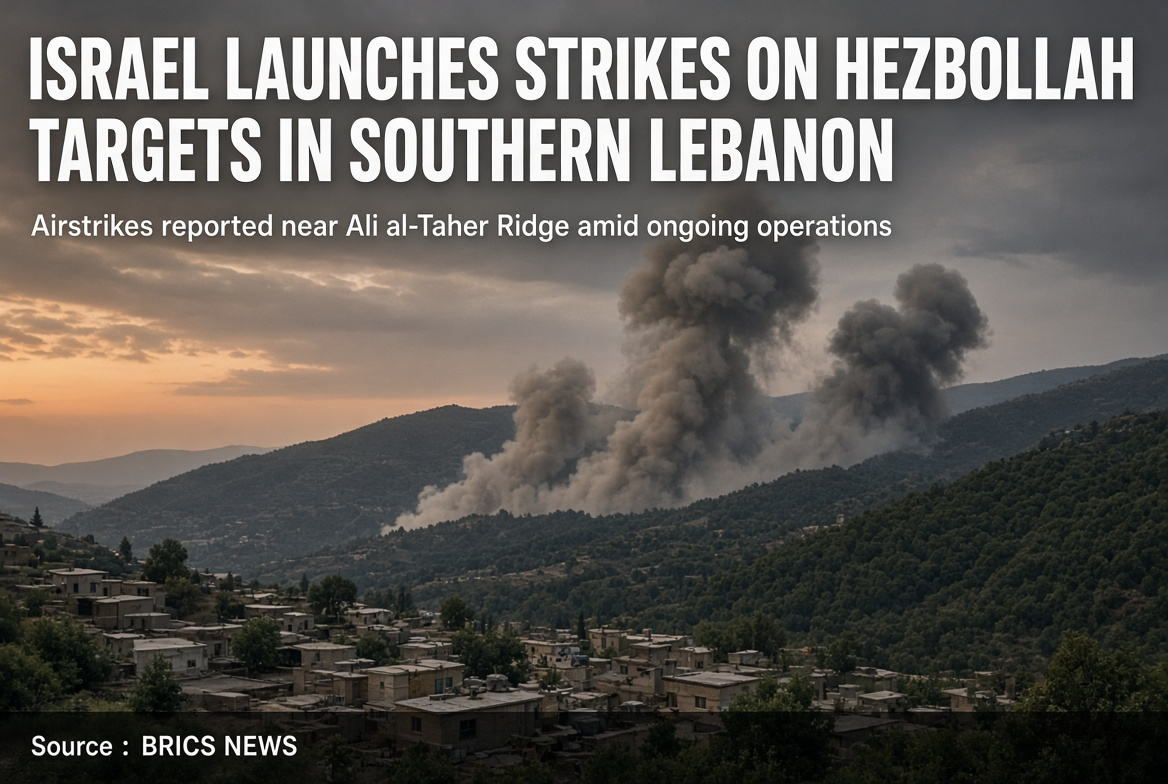
LEBANON Sept 3, 2026 – The reports, circulated late Thursday by accounts including @BRICSinfo, described the action in typical breaking-news style without specifying locations, the number of strikes, or immediate casualty figures. Similar alerts appeared from other monitors around the same time.
The latest activity fits a pattern of tit-for-tat incidents around the Ali al-Taher (also spelled Ali Taher) ridge near Nabatieh, a high ground about 15 km from the Israeli border that offers commanding views of southeastern Lebanon and routes toward northern Israel.
Israeli forces have treated the ridge as a key position inside their declared “security zone” or “forward defense area.” The IDF has said Hezbollah constructed a major underground command center and weapons stores there—described by the military as the “nerve center” of the group’s Badr regional division. On September 3 the army announced it had entered and cleared those tunnels in recent weeks, with operatives either killed or having fled, ahead of planned demolition.
The day before, the IDF reported that Hezbollah launched two explosive-laden drones at troops operating in the ridge area. One drone was intercepted; no Israeli soldiers were injured. The military said it then struck Hezbollah infrastructure in the Nabatieh area that it claimed had been used to prepare attacks on its forces and on Israeli civilians. Lebanese state media reported one person killed in those strikes.
A Reuters satellite image and on-the-ground photos have shown the ridge’s scarred, contested terrain, with plumes of smoke visible from nearby towns after earlier bombardments.
The ridge became a focal point after Israel pushed into southern Lebanon following the March 2, 2026, restart of large-scale fighting. That escalation began when Hezbollah fired projectiles into Israel after the killing of Iranian Supreme Leader Ali Khamenei at the outset of the wider 2026 Iran war. Israel responded with extensive airstrikes and a ground campaign that seized several hilltops, including Beaufort Castle on the approach to Ali al-Taher.
A ceasefire framework was announced in June 2026, yet both sides have accused the other of violations. Israel has continued limited operations and strikes it describes as responses to immediate threats, while Hezbollah has denied some Israeli claims of control over the ridge and has launched occasional drones or other attacks. Iran was reported to have warned the United States of a possible large-scale response if Israel mounted a full offensive on the position; Israeli officials have disputed claims that IRGC personnel were trapped there.
No official IDF statement or Lebanese Health Ministry update specifically tied to the evening of September 3 had been widely published by early September 4. The conflict has already produced thousands of casualties in Lebanon since March, according to Lebanese authorities, alongside Israeli military and civilian losses.
The strikes underscore that, months after the June ceasefire announcement, low-level fighting and targeted operations persist in southern Lebanon, centered on remaining Hezbollah infrastructure and Israeli-held high ground.
About The Author