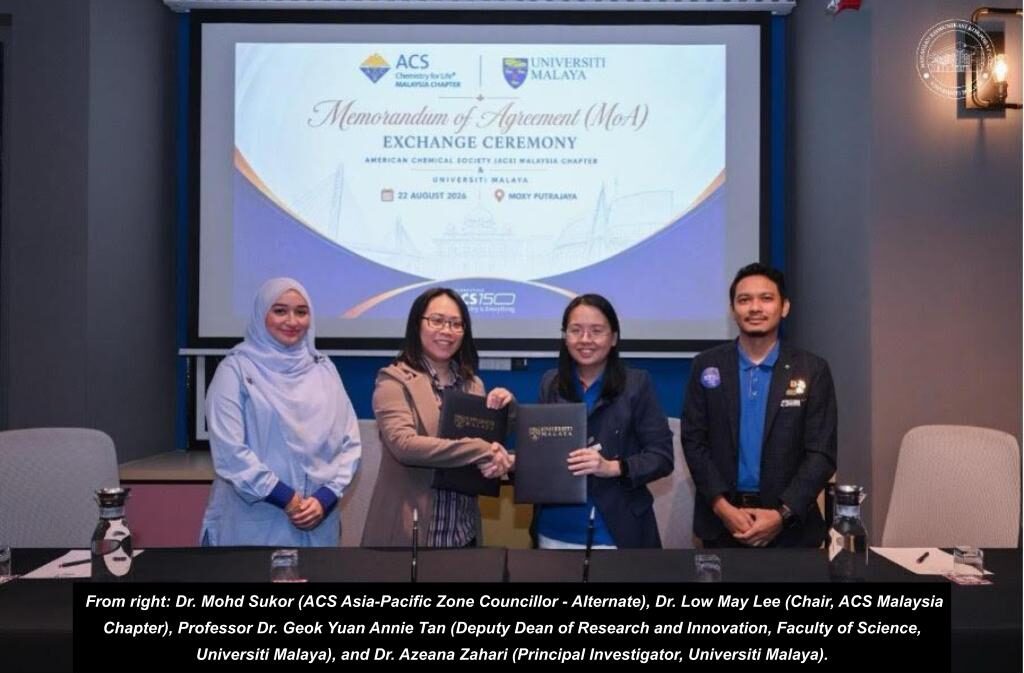
PUTRAJAYA, 22 August 2026 — Universiti Malaya (UM), through the Department of Chemistry, Faculty of Science, together with the American Chemical Society (ACS) Malaysia International Chemical Sciences Chapter, today strengthened their collaboration in STEM education and outreach through the exchange of a Memorandum of Agreement (MOA) for the implementation of the “A STEM Intervention Program.”
The collaboration is supported by the ACS Chapter Outreach Project Impact Assessment Grant of RM20,000, which will support the implementation and impact assessment of the STEM intervention program.
In conjunction with the 150th anniversary of the American Chemical Society (ACS) in 2026 and the 12th anniversary of the ACS Malaysia Chapter establishment, A STEM Intervention Program is being implemented as part of ongoing efforts to strengthen and assess the impact of ACS STEM outreach activities in Malaysia.
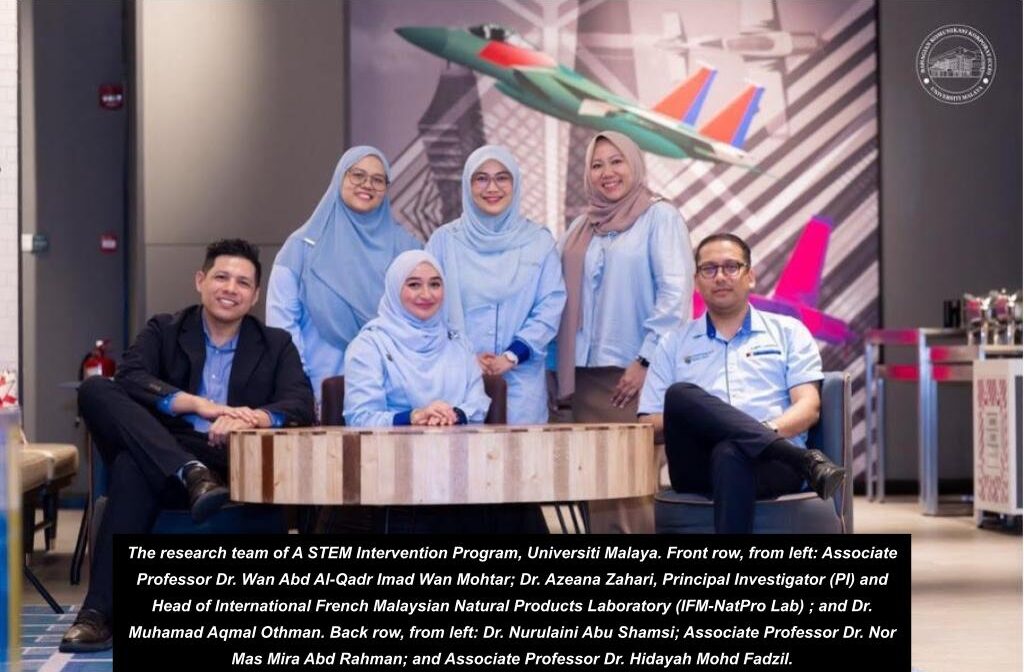
The program aims to systematically and evidence-based evaluate the impact of STEM outreach activities on students, particularly in terms of changes in their interest, attitudes, knowledge, and engagement in STEM. The findings will provide evidence-based data to support the improvement, strengthening, and expansion of future chemistry outreach programs by the ACS Malaysia Chapter.
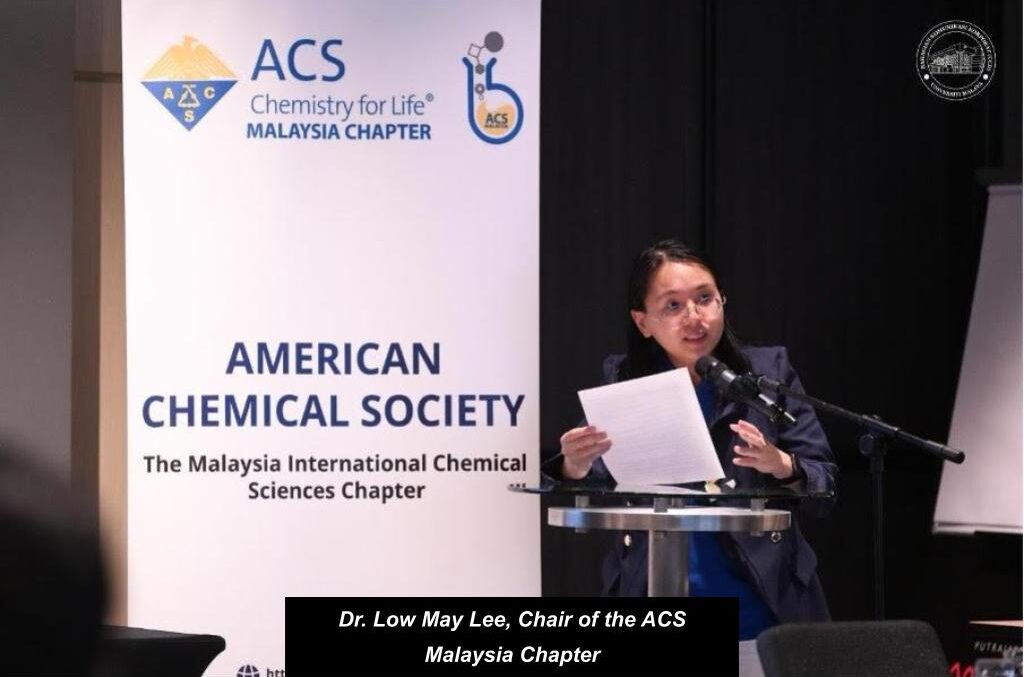
According to Dr. Low May Lee, Chair of the ACS Malaysia Chapter, the effectiveness of STEM outreach programs should be supported by systematic impact assessment that demonstrates meaningful and positive changes among participants.
“This collaboration enables us not only to provide students with exposure to STEM, but also to systematically assess the impact of our chemistry outreach activities. The data generated will help us develop more effective and impactful outreach programs for the future”, she said.
A key feature of the project is its systematic approach to measuring program impact. Rather than focusing solely on participation or participant feedback, the project will employ pre-program, post-program and follow-up assessments.
The project team will use the Test of Science-Related Attitudes (TOSRA) to measure changes in students’ attitudes and interest in science. At the same time, Kirkpatrick’s Four-Level Training Model will be used to assess four key dimensions: participant reactions, learning, behavioural change and long-term outcomes.
A quasi-experimental design involving intervention and control groups will be employed to generate more robust evidence of the program’s effectiveness. One of the key long-term outcomes will be changes in students’ inclination to choose the science stream compared with baseline data collected prior to the intervention.
Under this collaboration, Universiti Malaya will coordinate and implement the scientific content of the program, provide experts and facilitators, manage laboratory facilities and activity materials, conduct data collection and analysis, and prepare progress and final reports. Meanwhile, the ACS Malaysia Chapter will provide project funding, support the implementation of outreach activities, and receive and assess the project’s progress and final reports.
The collaboration reflects the commitment of both parties to strengthening the STEM education ecosystem through a combination of academic expertise, science outreach experience and evidence-based impact assessment.
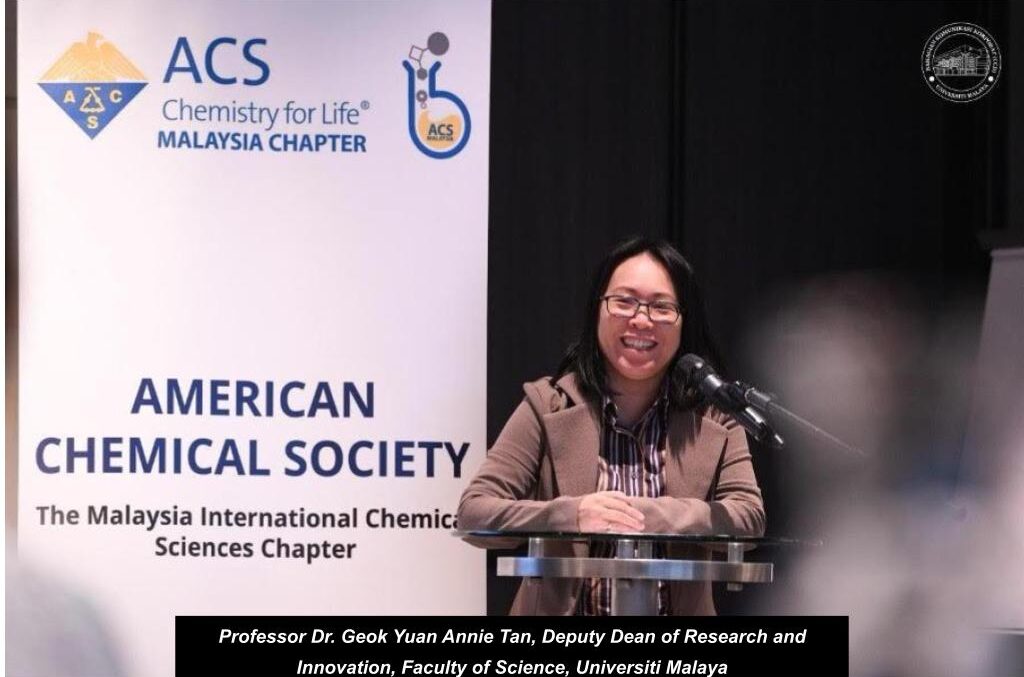
“Universiti Malaya is committed to strengthening STEM education through innovative, practical and evidence-based learning approaches. This collaboration with the ACS Malaysia Chapter not only provides students with opportunities to explore science through real-world experiences, but also enables us to measure the program’s impact on their interest, learning and inclination to pursue STEM pathways. We hope this initiative will serve as an impactful STEM outreach model that can be expanded in the future”, said Professor Dr. Geok Yuan Annie Tan, Deputy Dean of Research and Innovation, Faculty of Science, Universiti Malaya
The program primarily targets secondary school students and teachers involved in STEM activities. Through interactive sessions conducted in university and school laboratories, participants will be guided by academics and scientists from Universiti Malaya to explore the connections between chemistry, biology, the environment and product development.
Expected outcomes include increased student interest and understanding of STEM, development of basic skills in essential oil extraction and product development, enhanced capacity among teachers to conduct experimental STEM activities, and the generation of impact data that can support the improvement and expansion of future STEM outreach programs.
In the longer term, the program is expected to contribute to increasing students’ inclination to choose the science stream and pursue further education and careers in STEM, in line with Malaysia’s aspiration to develop a highly skilled, innovative and competitive workforce.
The MOA exchange between Universiti Malaya and the ACS Malaysia Chapter marks another important step towards expanding access to quality STEM education and ensuring that science outreach programs not only inspire students but also generate measurable, assessable and scalable impact.
About The Author