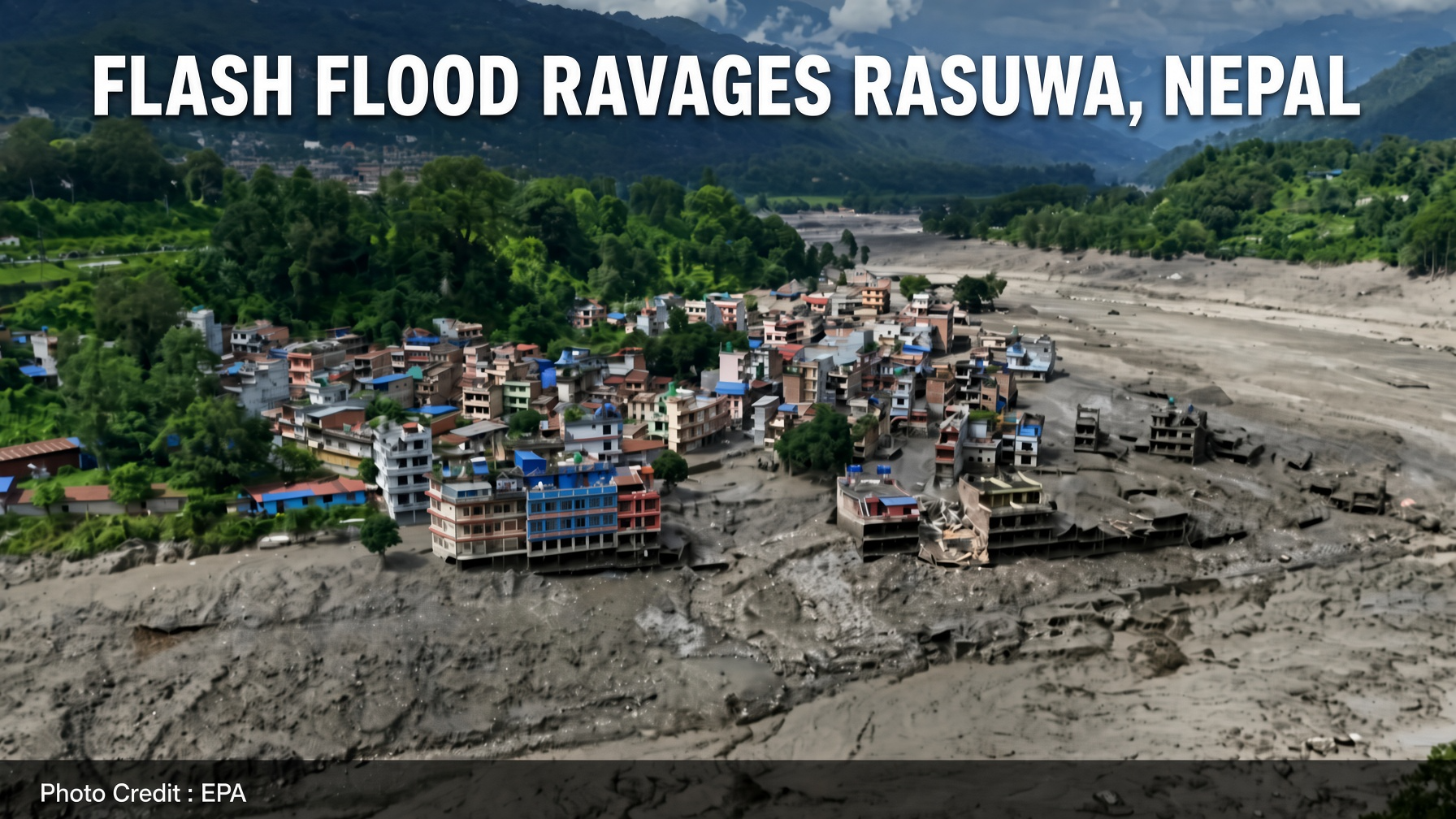
PUTRAJAYA Aug 27, 2026 – Prime Minister Dato’ Seri Anwar Ibrahim has expressed deep sorrow over a devastating flash flood in Nepal’s Rasuwa district that has left at least 54 Malaysian citizens uncontacted, as search-and-rescue operations continue amid widespread destruction.
The flood struck on the morning of 26 August 2026 when a massive surge of water, mud and debris swept down the Bhote Koshi River from the Nepal-Tibet border. Authorities believe a rock-and-ice landslide or avalanche, possibly triggered by a modest earthquake, sent a debris-laden wall of water through settlements including Timure, Rasuwagadhi and Syabrubesi.
Nepal Police have recovered more than 150 bodies, with the death toll expected to rise. Hundreds of people remain missing, including over 290 foreign tourists from India, the United States, the United Kingdom, Australia, Malaysia and other countries, as well as Nepali security personnel, hydropower workers and locals. Roads, bridges, communication networks and several hydropower projects were destroyed.
In a statement posted on X, Anwar said he was “deeply affected” after being informed by the Foreign Ministry that 54 Malaysians had not been reached. He noted that the Malaysian Embassy in Kathmandu is working closely with Nepali authorities, while officials from the High Commission in Dhaka have been mobilised to strengthen coordination on the ground. The MADANI government, he said, is closely monitoring developments and will take all necessary measures to protect the safety and welfare of affected Malaysians. He called on Malaysians to pray for those still unaccounted for.
Malaysian diplomats have asked families with missing relatives to send passport and travel details to the embassy in Kathmandu. Communication blackouts and damaged roads have made it difficult to confirm locations, though helicopters are being used for rescue and evacuation where landing is possible.
The disaster has also prompted flood alerts further downstream along the Trishuli River. Rescue teams continue operations as weather and terrain complicate access to the worst-hit mountain valleys.
About The Author