
By Dr. Sofya Zulkiffli and Dr. Nurul Liyana Aminuddin
Every year on 12 August, the world observes International Youth Day. It is a day dedicated to celebrating the aspirations, achievements and potential of young people. Beyond the celebrations, however, it also invites us to reflect on a simple question: do we truly understand the generation we are celebrating?
For me, that question always brings my thoughts to the beginning of every academic year. University campuses come alive once again as parents help their children settle into residential colleges before quietly saying goodbye. Around them are thousands of young people standing at the threshold of adulthood, each carrying dreams, uncertainties and hopes for the future. Every student arrives with a different story, yet all share one thing in common: the next few years will shape not only the careers they pursue, but also the people they become.,
Working in a university offers the rare privilege of witnessing one of the most transformative periods of a person’s life. Universities are often described as places where knowledge is passed from one generation to the next. Yet after years of teaching students and caring for many of them as patients, I have come to realise that education begins long before the first lecture. Before we teach, we must first listen.,
Every semester introduces a new generation of students. They think differently, communicate differently and learn differently. They belong to a generation that has never known a world without the internet. Information is available within seconds. Artificial intelligence summarises lecture notes almost instantly. Clinical procedures can be watched repeatedly online, while social media has become a powerful source of information, inspiration and influence.,
This changing landscape has transformed education. The role of a lecturer is no longer simply to deliver information. Information has never been easier to obtain. Our responsibility is now to help students distinguish evidence from opinion, think critically, ask better questions and understand that the shortest answer is not always the best answer.
Yet the most meaningful lessons rarely happen during lectures. They happen after class.
Almost every educator has experienced that moment when a student waits until everyone else has left before quietly approaching. The conversation usually begins with an assignment or an examination. Somewhere along the way, however, it changes.
“I don’t think I’m good enough.” “I’m afraid of disappointing my parents.” “I feel like everyone else is coping better than I am.” In those moments, the lecture no longer matters. Listening does.
Their words often take me back to my own undergraduate years. Although my generation did not grow up with artificial intelligence or social media documenting every achievement and setback, the emotions remain remarkably familiar. We worried about examinations. We questioned our abilities. We compared ourselves with our friends. We wondered whether we were good enough.
The world surrounding today’s youth has changed dramatically. Their emotions have not. The difference is that today’s young people are navigating those same emotions in a world that rarely slows down. Academic expectations remain high, but they are now accompanied by constant digital connectivity, endless comparisons on social media and uncertainty about what the future may hold. It is perhaps unsurprising that youth mental health has become an increasing concern worldwide. In fact, the United States Surgeon General has described it as one of the defining public health challenges of our time, reminding us that supporting young people is not solely the responsibility of mental health professionals. It is also the responsibility of parents, educators, healthcare professionals and communities.,,
Universities cannot remove every challenge their students face, nor should lecturers attempt to become counsellors. But we can create an environment where students know they are seen, heard and supported. Sometimes, asking “How are you coping?” is every bit as important as asking, “Have you finished your assignment?”.
Universities cannot remove every challenge a young person will face, and lecturers cannot carry every burden. But we can notice. We can notice when the student who once sat confidently in the front row suddenly retreats to the back. We can notice when someone who always contributed in class becomes unusually quiet.,
More importantly, we can create spaces where students feel safe enough to admit that they are struggling. Sometimes, the most meaningful thing an educator can do is not to have all the answers, but simply to notice that someone needs to be heard.
My encounters with young people continue beyond the lecture hall. As a clinician, I meet many of them again from a different perspective. Increasingly, young patients arrive carrying not only their appointment cards, but also their phones. “Doctor, I saw this on TikTok,” or “I found this on Instagram,” has become a familiar way to begin a consultation. Some show screenshots of smile makeovers, while others have watched videos explaining braces, veneers or wisdom tooth surgery. They arrive informed, curious and genuinely wanting to make the best decisions about their oral health.
To me, this is not necessarily a bad thing. Many dentists have embraced social media responsibly to educate the public, dispel misconceptions and encourage preventive care. These platforms have made oral health information more accessible than ever before, and they have empowered many people to take a greater interest in their own health.
The challenge begins when general information is mistaken for individual advice. A one-minute video cannot examine a patient’s mouth, interpret radiographs, understand a person’s medical history or appreciate the many factors that influence treatment planning. Every recommendation must still begin with a thorough clinical examination, followed by a conversation that considers the individual sitting in the dental chair.,
Over time, I have realised that the conversation is often just as important as the treatment itself. Most young patients are not looking for their dentist to confirm everything they have seen online. They simply want to understand. They want to know why one treatment is suitable while another is not. They want reassurance that the decision being made is based on their individual needs, not on what happened to someone else on social media.,
In many ways, that is no different from what I have observed in the classroom. Whether they enter a lecture hall or a dental clinic, young people are often searching for the same thing. Not merely answers, but understanding. They want someone who is willing to listen before offering advice, someone who explains without dismissing their questions, and someone who guides them with patience rather than judgement.,
One day, today’s students will become our colleagues. Today’s patients will become parents, mentors and professionals who will, in turn, guide the next generation. The conversations we have with them today may be far more influential than we realise. They may not remember every lecture or every clinical explanation, but they will remember how they were treated while searching for answers.
As we commemorate International Youth Day, perhaps the greatest gift we can offer young people is not another piece of advice, another expectation or another reminder of what they should become.,
Perhaps the greatest gift we can offer is our willingness to listen. To listen before we judge. To listen before we correct. To listen before we teach.
Because when young people feel heard, they are far more likely to hear us in return.
After all, understanding is not the outcome of listening. It is the reason we listen in the first place. Before we teach, we must first listen.
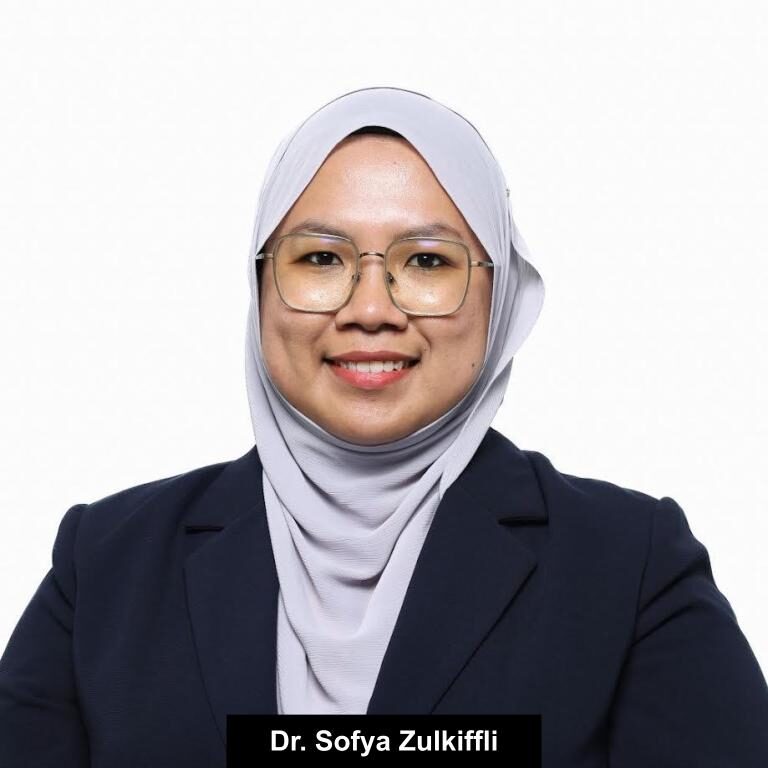

The authors are from the Restorative Department, Faculty of Dentistry, Universiti Malaya.
About The Author