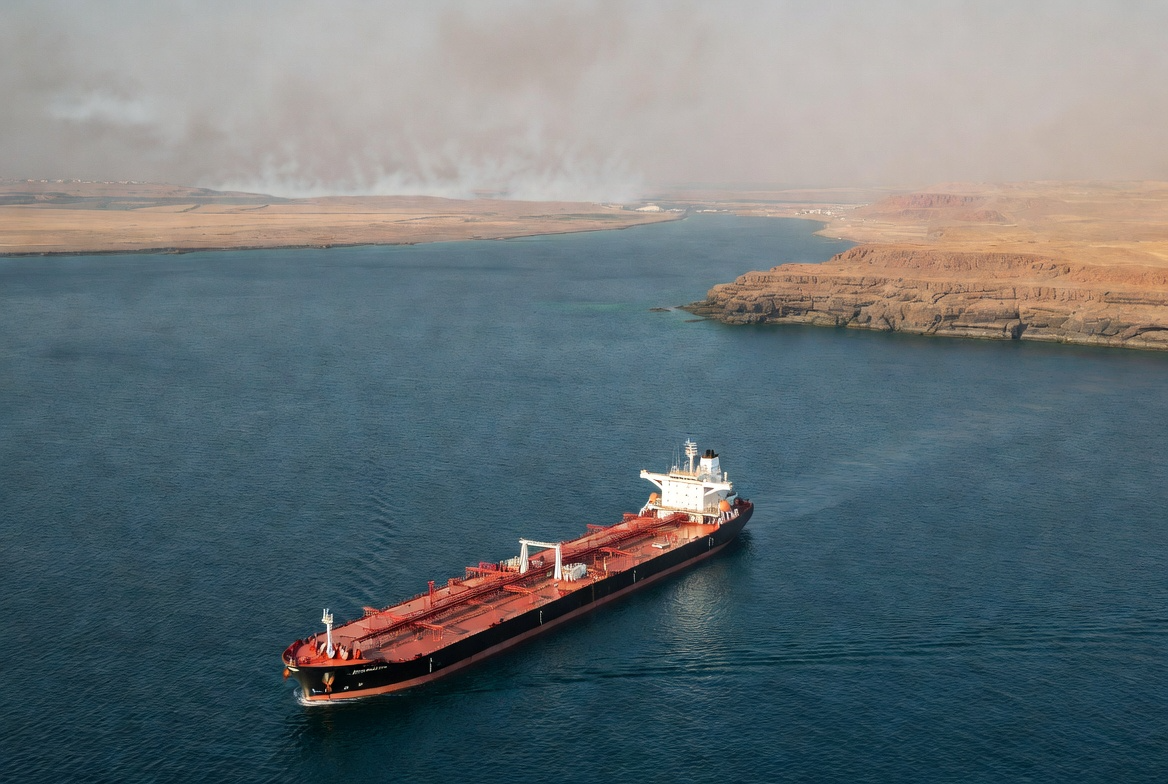
SAUDI ARABIA July 23, 2026 — At least five oil tankers have diverted course in the Red Sea to avoid the strategic Bab al-Mandab Strait, following a naval blockade declared by Yemen’s Houthi movement and reported missile strikes on Saudi vessels, according to shipping data and maritime reports.
The diversions come just days after the Iran-aligned Houthis announced a maritime embargo targeting ships linked to Saudi ports, warning that vessels loading or discharging cargo there could be attacked “in any location.” Multiple tankers carrying Saudi crude — including vessels bound for China and India — made sharp U-turns, heading north toward the Suez Canal instead of exiting south through the narrow strait that connects the Red Sea to the Gulf of Aden.
Ship-tracking data showed five tankers reversing course on Wednesday alone, with earlier reports confirming three fully loaded Saudi crude carriers turning back on Tuesday. Among them was the very large crude carrier (VLCC) Xin Long Yang, which had loaded about 2 million barrels at Saudi Arabia’s Yanbu terminal for delivery to China before changing direction. Other vessels, including the Rodos (carrying roughly 700,000 barrels for India), also abandoned southbound routes.
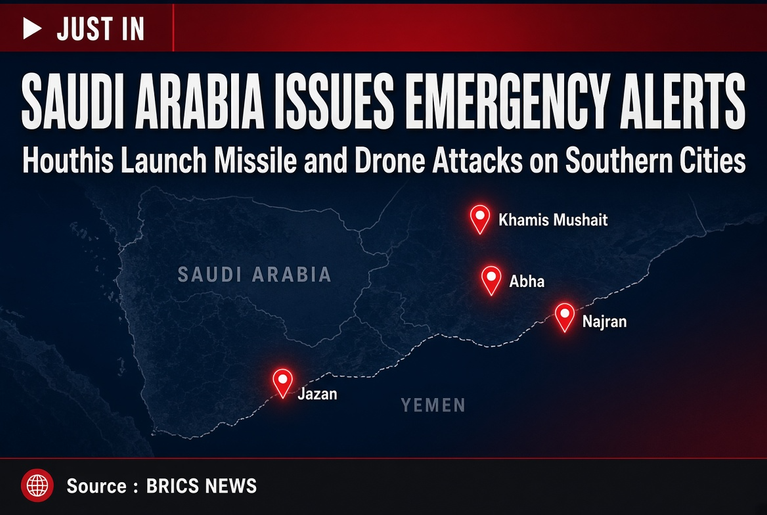
Houthi forces escalated further on Thursday, claiming missile and drone strikes on two Saudi oil tankers in the Red Sea, identified as the Encelia and Layla. Saudi authorities confirmed the Encelia was hit near the port of Jizan, resulting in a fire at the bow, though the crew was reported unharmed. The attack on the second vessel remained unconfirmed at the time of reporting.
The blockade threatens one of the last major alternative export routes for Saudi oil. With the Strait of Hormuz already severely disrupted by the ongoing U.S.-Iran conflict, Saudi Arabia has relied heavily on its Red Sea terminal at Yanbu, which has been shipping millions of barrels per day toward Asia. Analysts warn that prolonged interference at Bab al-Mandab could affect roughly 7% of global oil supply and force vessels onto much longer voyages around the Cape of Good Hope, adding weeks to transit times and millions in extra costs.
In a notable development, the Chinese-operated Xin Long Yang later secured Houthi clearance to transit the strait after its earlier U-turns, suggesting some case-by-case exemptions for Chinese vessels, while Saudi-linked traffic remains heavily restricted.
Oil markets reacted quickly. Brent crude climbed above $95–$96 per barrel amid the dual chokepoint risks, extending a sharp monthly rally driven by regional tensions. Freight rates and war-risk insurance premiums for Red Sea transits have already risen, heightening concerns over energy security for Asian importers who depend on Middle Eastern crude.
Saudi officials have vowed to protect commercial shipping and denounced the blockade, while U.S. President Donald Trump has warned of potential action if the Houthis further disrupt the waterway. The situation continues to evolve as more vessels alter courses and maritime traffic through the strait remains sharply reduced.
About The Author