By Professor Dato Dr Ahmad Ibrahim
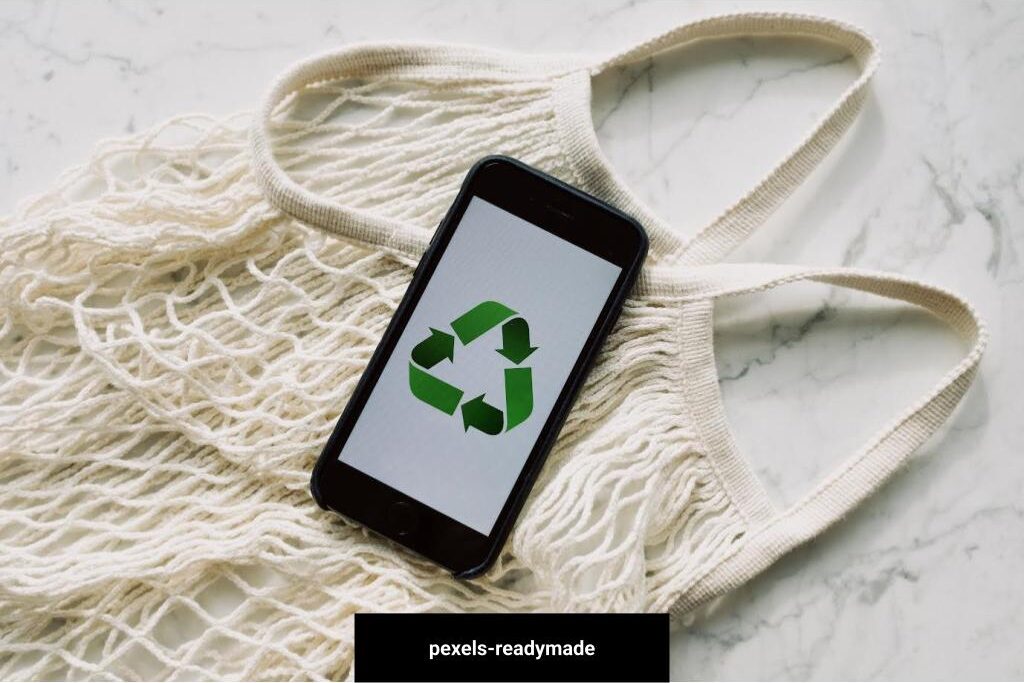
You’ve seen them everywhere. The toothpaste box covered in leaves. The laundry detergent with a recycling logo that somehow doesn’t mean anything. The airline promising “carbon-neutral flights” while you know they’re burning jet fuel by the ton.
These are greenwashed ads, and according to a striking new study by Matthes, Neureiter, and Seiffert-Brockmann (2025), they aren’t just annoying—they’re actively breaking our ability to make good environmental choices.
The researchers set out to understand a modern paradox: consumers say they want to buy sustainable products, yet many don’t. The usual explanation is the “green gap”—we care, but we’re lazy or cheap. But this study points to something different. The real culprit? Confusion, distrust, and exhaustion.
Perception is reality—even when it’s wrong. First, the more consumers perceive that ads are greenwashed—meaning exaggerated, misleading, or flat-out false environmental claims—the less willing they are to pay a premium for genuinely green products. Companies that greenwash aren’t just tricking you in the moment. They’re poisoning the well for everyone else. Over time, your brain learns to treat all environmental claims with suspicion. That organic cotton shirt from a genuinely ethical brand? You start to wonder if it’s just another marketing ploy.
Greenwashing creates a generalized cynicism. And once cynicism sets in, price becomes the only remaining signal. Why pay $4 for the “eco” dish soap when the $2 conventional one might be just as ungreen?
The second finding is even more damning. Consumers are drowning in eco-labels—Fair Trade, Energy Star, Rainforest Alliance, Carbon Neutral, “Made with Recycled Materials,” and dozens of vague proprietary seals invented by corporations themselves.
The study confirms what many of us have felt at the grocery store: eco-label confusion is rampant. And here’s the kicker—confusion doesn’t lead to caution. It leads to apathy.
When you can’t tell the difference between a rigorous third-party certification and a meaningless feel-good logo, you stop trying. You default to the cheapest option. Or the prettiest package. Or the brand you’ve always bought.
The researchers found a direct link: higher confusion → lower willingness to pay more for sustainable products. Not because you don’t care, but because you no longer trust your own ability to know what’s real.
Put these two findings together, and you have a vicious cycle: A bad actor runs a greenwashed ad. You see it, sense the dishonesty, and your trust erodes. You encounter a confusing shelf of eco-labels. You give up trying to differentiate. You buy the cheapest, least sustainable option. Genuinely sustainable companies lose the price premium they need to survive. More companies greenwash because honesty doesn’t pay.
This isn’t a failure of the consumer. It’s a market failure. Opinion articles love to end with “vote with your wallet” or “do your research.” But Matthes et al. show that’s a cruel joke. When even researchers struggle to verify green claims in real time, how can a tired parent in a grocery aisle? We don’t need better consumers. We need better rules.
First, governments need to ban vague terms like “eco-friendly” and “green” without standardized, audited proof. The EU’s Green Claims Directive is a start. The U.S. needs its equivalent.
Second, we need a public, simple, one-page guide to the most trustworthy eco-labels—and a crackdown on fake or self-issued seals. If a logo isn’t backed by an independent, transparent standard, treat it as fraud.
Third, brands that are genuinely sustainable should stop competing on vague imagery and start competing on radical transparency. Publish your supply chain audits. Show your carbon data raw. Trust that a cynical public, once given real evidence, will reward you.
Until then, don’t blame yourself for feeling confused. That confusion was manufactured. And the only way out isn’t more consumer vigilance—it’s regulation, enforcement, and a collective refusal to let marketing replace reality. Because every time we shrug at a fake green ad, we’re not just getting fooled. We’re becoming a little less willing to save the planet. And that’s the most expensive trick of all.

The author is affiliated with the Tan Sri Omar Centre for STI Policy Studies at UCSI University and is an Adjunct Professor at the Ungku Aziz Centre for Development Studies, Universiti Malaya.
About The Author