TEHRAN July 8, 2026 — Iran’s military has pledged a forceful retaliation to recent U.S. airstrikes in southern Iran, warning that it will not allow the United States to interfere in or manage the strategically critical Strait of Hormuz.
The Iranian Khatam al-Anbiya Central Headquarters described the U.S. strikes as a “blatant act of aggression” and vowed a “crushing response.” It emphasized that the Strait of Hormuz falls under Iranian sovereignty and that only routes designated by Iran are safe for commercial shipping and oil tankers. Any deviation or external interference, it said, would trigger an “immediate and powerful response.”
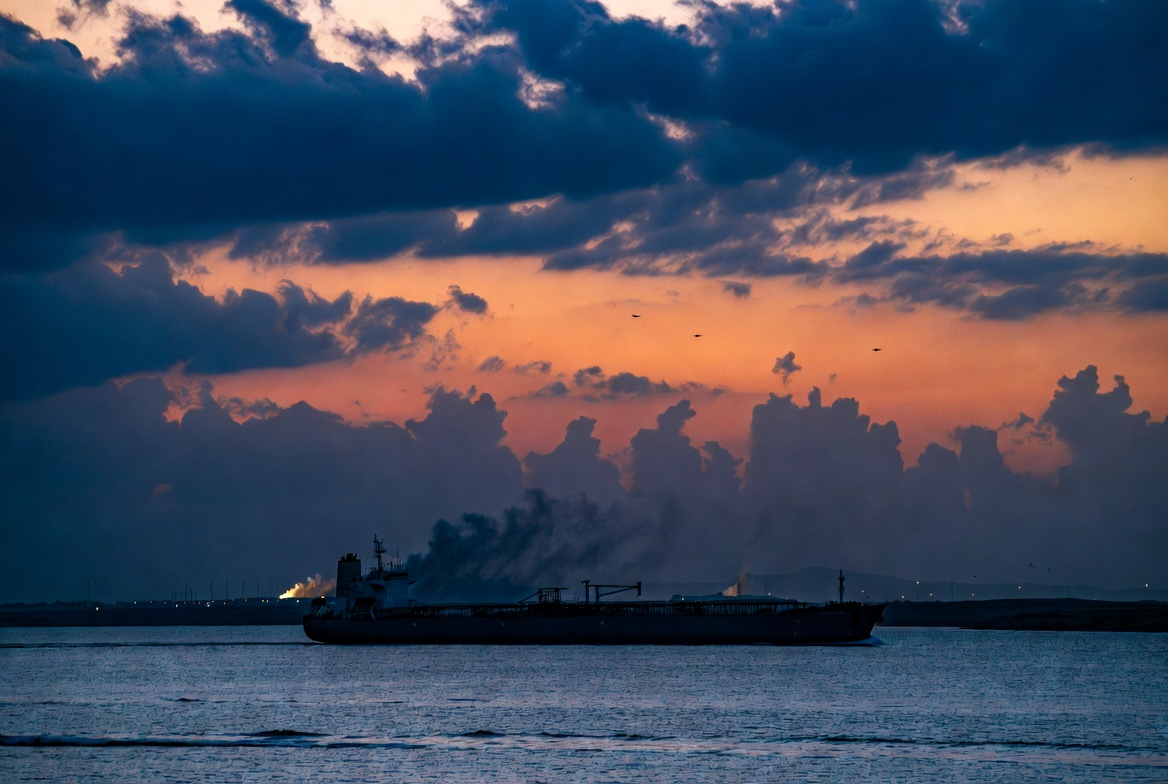
The latest flare-up follows attacks on multiple commercial vessels in or near the Strait of Hormuz. On or around July 7, projectiles struck at least two tankers — a Qatari-owned LNG carrier (Al Rekayat) and a Saudi-flagged supertanker (Wedyan) — causing damage and a fire on one vessel. A third vessel was also reportedly hit.
The United States attributed the attacks to Iran’s Islamic Revolutionary Guard Corps (IRGC) and called them a clear violation of the fragile ceasefire and interim agreements reached earlier in 2026. In response, U.S. forces launched airstrikes targeting Iranian military sites in southern Iran, including missile launchers, air defense systems, radar installations, and drone facilities near areas such as Sirik.
These strikes represent one of the most significant U.S. military actions since the earlier ceasefire.
The Strait of Hormuz is one of the world’s most important maritime chokepoints. Roughly 20% of global oil trade and significant volumes of liquefied natural gas pass through the narrow waterway between Iran and Oman.
Any sustained disruption or heightened risk could drive sharp increases in oil prices and affect global energy markets and shipping costs.
Tensions stem from the broader 2026 Iran conflict, which included direct U.S. and Israeli strikes on Iran earlier in the year, Iranian retaliation, and subsequent attempts at de-escalation through interim agreements focused on halting hostilities and reopening safe shipping lanes.
Both sides have accused each other of violating understandings:
- Iran claims U.S. actions undermine agreements and represent interference in its sovereign waters.
- The U.S. maintains that Iranian attacks on commercial shipping violate the spirit and terms of recent truces.
Global markets reacted quickly to the renewed violence, with oil prices rising amid fears of further escalation. Shipping companies and insurers are closely monitoring developments, and some vessels may reroute or delay transits.
Regional powers and international actors are urging restraint to prevent a wider conflict that could draw in additional countries and severely impact global energy supplies.
The situation remains fluid. Both Washington and Tehran have signaled willingness to respond strongly to perceived provocations while the underlying disputes over shipping control, security guarantees, and broader regional issues persist.
This is a developing story.
About The Author