By Professor Dato Dr Ahmad Ibrahim
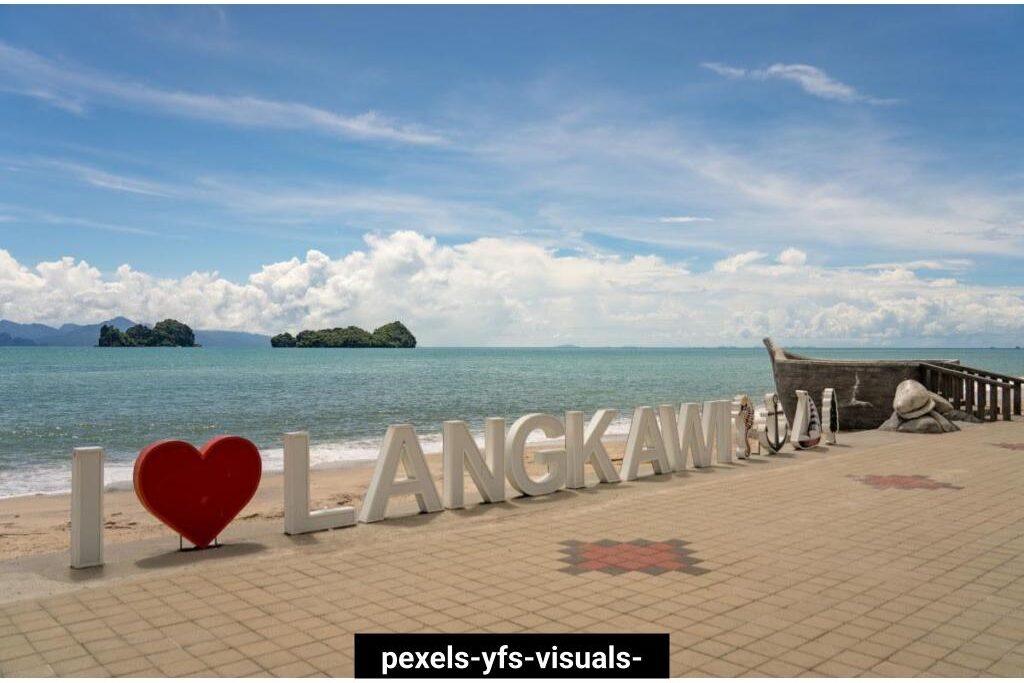
In the 1990s and early 2000s, the “Island of Legends”, Langkawi, sparkled with promise. The island drew millions. The government poured billions into infrastructure—new airport terminal, luxury marinas, world-class golf courses. It worked. Langkawi became a byword for tropical perfection. But lately, visitor arrivals have stagnated, hotels report soft occupancy, and the buzz has shifted elsewhere—to Phuket, Da Nang, or even domestic rivals like Redang and Perhentian. What happened? More importantly, what wrong policies led us here, and can we turn the tide?
First, let’s name the obvious: Langkawi aged without maturing. The island’s core product—beaches, duty-free chocolate, and eagle feeding—remained frozen in time while regional competitors evolved. Phuket reinvented itself with wellness retreats, nightlife zoning, and digital nomad infrastructure. Bali built a creative economy around yoga, co-working, and boutique experiences. Langkawi? We added another mall.
Second, the curse of middle-income tourism. For years, Langkawi was marketed as “affordable luxury,” but that tag became a trap. Affordability attracted budget tour groups and rowdy party crowds, while genuine high-end travelers drifted to more curated destinations. The island suffered an identity crisis: not cheap enough for backpackers, not exclusive enough for the rich.
Talking to some tourism experts, one can count the ways policy failed Langkawi: For decades, the mantra was “arrival numbers.” Subsidized charter flights, heavy discounts, and mass-market promotions filled hotel beds but hollowed out yields. No serious strategy existed to attract high-spending segments—corporate retreats, medical tourists, long-stay retirees. When regional competitors raised their game, Langkawi raised only its discount banners.
The duty-free privilege was once Langkawi’s secret weapon. But inflation, the weakening ringgit, and tighter customs enforcement on alcohol and cigarettes eroded the price advantage. Meanwhile, authorities did little to diversify duty-free offerings into luxury fashion, electronics, or local handicrafts. Today, Langkawi’s duty-free shops feel like oversized convenience stores—not a destination in themselves.
Langkawi is a UNESCO Global Geopark, but tell that to the mangroves being silted by poorly planned development, or the beaches plagued by seasonal algae blooms linked to untreated sewage. Authorities cheered the geopark certificate but failed to enforce zoning laws. The result? Over-concreted coastlines, stalled eco-projects, and growing tourist complaints about rubbish on once-pristine shores.
Ask any returning visitor: the airport queue is a nightmare during peak season. Taxi cartels overcharge. Road signage is confusing. Wi-Fi is spotty. And basic attractions like the cable car have long queues without premium skip-the-line options. These are solvable problems that festered because no one was accountable.
Langkawi can recover—but only with radical policy surgery. Drop the generic tropical-island tag. Go all-in on geotourism: curated fossil hikes, stargazing tours, marine citizen science. Partner with UNESCO to create an international geopark academy. Turn the island into a living lab for climate resilience. This attracts educated, eco-conscious travelers—and they spend more.
Replace blanket duty-free with a smart system: Zero-rated VAT on luxury watches, sustainable fashion, local art, and electric vehicle rentals. Keep alcohol and tobacco duty-free but limit quantities to discourage over-tourism from day-trippers. Introduce a tourism reinvestment tax credit for hotels that retrofit green technology.
Before another marketing video, fix the airport bottleneck—expand immigration lanes, automate e-gates for repeat visitors. Regulate ride-hailing to break taxi monopolies. Mandate digital payment for all tourist services. Install free, high-speed Wi-Fi on Cenang and Datai beaches. Small things, huge impact.
Stop chasing any tourist with a pulse. Launch a “Langkawi Quality Pledge”: hotels and attractions that meet sustainability, service, and local-hire targets get official endorsement and preferential marketing. Actively discourage low-value, high-volume tour operators. Target niche markets: birdwatchers, windsurfers, corporate off-sites for ASEAN startups, and medical check-up packages with ferry access from Thailand.
Bring back the Langkawi International Arts & Culture Festival. The old LIMA airshow was great, but it’s once every two years. Create a year-round calendar: Langkawi Literary Week, Geopark Film Fest, International Street Food Bazaar. Incentivize airlines like AirAsia and Batik Air to offer bundled “culture + stay” packages from regional hubs. Turn low season into shoulder season with indoor conferences and wellness retreats.
Langkawi did not die; it dozed off. The island still has its breathtaking geology, its legends, its strategic location near Thailand’s booming tourism market. But authorities must stop treating it as a cash cow and start managing it as a fragile asset.
Wrong policies got us here—complacency, volume-over-value, environmental neglect. Right policies—smart rebranding, infrastructure fixes, curation of quality visitors—can restore the shine. The question is whether our tourism planners have the courage to stop chasing numbers and start chasing excellence. Langkawi’s glory days are not behind her. They are waiting for us to earn them back.

The author is affiliated with the Tan Sri Omar Centre for STI Policy Studies at UCSI University and is an Adjunct Professor at the Ungku Aziz Centre for Development Studies, Universiti Malaya.
About The Author