By Redza Zakaria
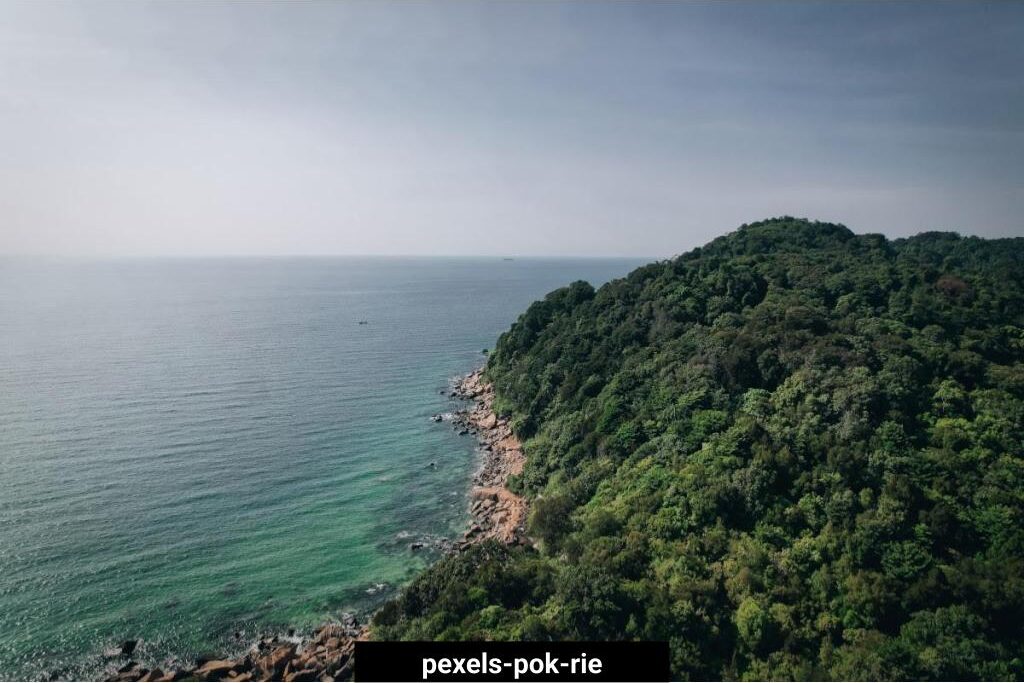
On 8 June 2026, we celebrate World Oceans Day 2026. This year’s theme, “Reimagine,” invites us to rethink the way we see and care for the ocean. The ocean covers more than 70% of our planet. It is our life’s support system, sustaining humanity and every other living organism on Earth.
Furthermore, the ocean produces at least 50% of the planet’s oxygen, is home to most of Earth’s biodiversity, and serves as the primary source of protein for more than one billion people worldwide. Not to mention, the ocean is a vital driver of the global economy, with an estimated 40 million people expected to be employed in ocean-based industries by 2030.
In Malaysia, our seas lie within the Coral Triangle, making us one of the 12 most biologically diverse countries in the world. We are home to approximately 612 reef-building coral species, representing 77% of all recorded coral species worldwide. Despite this extraordinary marine biodiversity, Malaysia continues to face significant challenges in reducing marine pollution, particularly plastic waste. Inadequate waste management systems, especially in rural and coastal communities, often result in plastic waste entering rivers, lakes, and ultimately the ocean.
Approximately 23.4% of Malaysia’s population lives in rural areas, where waste management infrastructure and public awareness may be more limited, highlighting the need for greater investment in sustainable waste management and community education. Beyond pollution, Malaysia’s oceans are facing a wider range of threats than ever before. Climate change, habitat degradation, overexploitation of marine resources, and biodiversity loss continue to place increasing pressure on our marine ecosystems.
Recognising these challenges, Malaysia drafted a National Ocean Policy in 2011 to guide government decision-makers, sectoral agencies, and key non-government stakeholders in addressing policy gaps and harmonising initiatives towards the sustainable development and management of the nation’s ocean sectors.
However, the National Ocean Policy remains in draft form. Over the years, experts and organisations have repeatedly called for the draft policy to be reviewed and updated to address emerging priorities, including the blue economy, climate resilience, and the adoption of digital technologies, big data, and artificial intelligence in ocean governance.
All in all, one of the biggest threats facing oceans is rising temperatures. The World Meteorological Organisation (WMO) says that last year saw some of the highest global temperatures ever and 2024 was the warmest year on record. Even though the ocean provides countless benefits to humankind, it is now in need of our support. With 90% of large fish populations depleted and 50% of coral reefs destroyed, we are taking more from the ocean than it can replenish.
We need to work together to create a new balance with the ocean, one that no longer depletes its bounty but instead restores its vibrancy and breathes new life into it. For too long, we have treated the ocean as something vast, distant, and separate from us. In doing so, we have created that distance ourselves.
This “Reimagine” calls on us to close that distance by moving from passive inheritors of the ocean’s generosity to active guardians of its future. It calls on us to govern the ocean not only beyond our borders but also beyond our blind spots, beyond the habit of taking rather than restoring, beyond operating in silos, and beyond the belief that the way things have always been is the way they must remain.
The objectives of this year’s theme are to inspire a renewed understanding of our interdependence with the ocean; to challenge existing systems, assumptions, and boundaries; to create space for new ways of thinking, relating, and acting; and to catalyse collective, cross-sector action rooted in shared responsibility.
In the end, this World Oceans Day, it is time to reimagine our relationship with the ocean, to close the distance we have created and to rediscover our common ground. The ocean does more than sustain life; it also reflects the values we choose to uphold. It reminds us of resilience, renewal, and the instinct to begin again. That journey must begin with us, here in Malaysia.

The author is the Head Unit of Maritime Law, Policy and Governance at the Institute of Ocean Earth and Sciences (IOES), a Senior Lecturer at the Faculty of Law, Universiti Malaya, and a member of the Group of Experts for Ocean Literacy (WESTPAC) under UNESCO.
About The Author