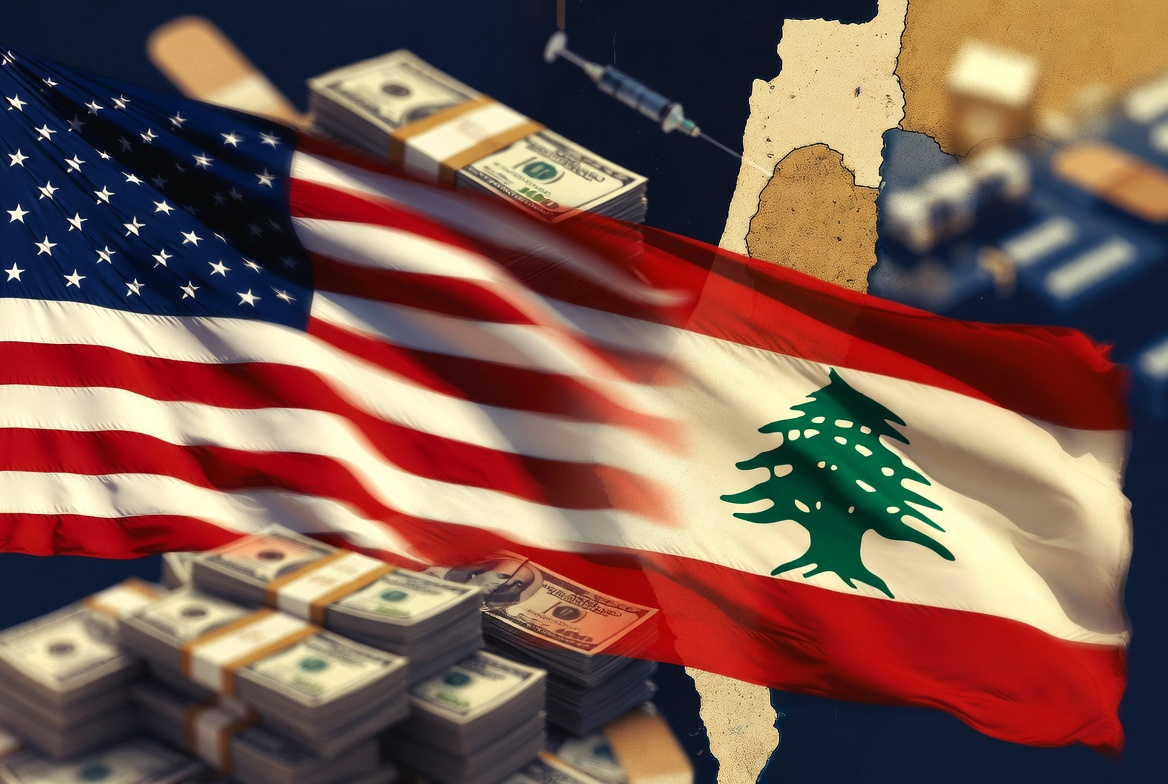
WASHINGTON D.C. June 27, 2026 – The United States has pledged $100 million in immediate humanitarian assistance to Lebanon, coordinated with the United Nations, as part of broader efforts to support stability following a new US-brokered framework agreement between Israel and Lebanon.
US Secretary of State Marco Rubio announced the framework deal on Friday after several days of trilateral talks in Washington. Israeli and Lebanese ambassadors signed the document at the State Department, marking an initial step toward ending hostilities, restoring Lebanese sovereignty, disarming Hezbollah, and enabling Israeli withdrawal from southern Lebanon.
Key Elements of the Framework Agreement
- Ceasefire and Security: Calls for a ceasefire contingent on Hezbollah ceasing fire and withdrawing from southern Lebanon. Israel would withdraw from certain areas while maintaining a security buffer until full implementation.
- Lebanese Armed Forces Role: The Lebanese army is expected to take control of southern Lebanon. The agreement includes a US-facilitated Military Coordination Group to oversee implementation, strengthen the Lebanese Armed Forces, and address security concerns.
- Longer-Term Goals: Dismantling Hezbollah’s infrastructure, full Lebanese sovereignty, and paving the way for lasting peace. Both sides described it as a foundational step rather than a final deal.
The aid package aims to address immediate humanitarian needs in Lebanon after prolonged conflict with Hezbollah. Additional US support, including over $30 million from the Pentagon, is planned to compensate and bolster the Lebanese army for its role in maintaining peace.
Reactions
Positive from US, Israel, and Lebanese Government: Israeli Prime Minister Benjamin Netanyahu and Lebanese officials have welcomed aspects of the deal as advancing security and sovereignty. Rubio called it “a good day” for regional peace efforts.
Criticism and Protests: Hezbollah has rejected the agreement, calling the Lebanese government illegitimate and vowing continued resistance. Protests erupted in Beirut overnight, with demonstrators burning tires and opposing what they see as normalization or concessions.
On X (formerly Twitter), many users criticized the aid as US taxpayers indirectly funding conflict recovery—funding Israel’s military actions and then Lebanon’s rebuilding. Others questioned prioritizing foreign aid amid domestic US challenges.
This development follows earlier ceasefires and extensions in the Israel-Hezbollah conflict, with ongoing US mediation aimed at reducing Iranian influence through Hezbollah and achieving durable security arrangements. Details on exact aid distribution and full agreement text are expected in coming days.
The situation remains fluid, with implementation hinging on compliance from all parties, particularly Hezbollah’s disarmament in the south.
About The Author