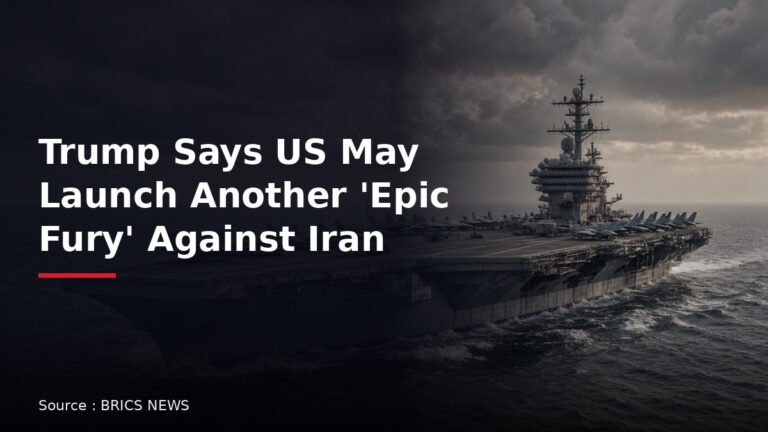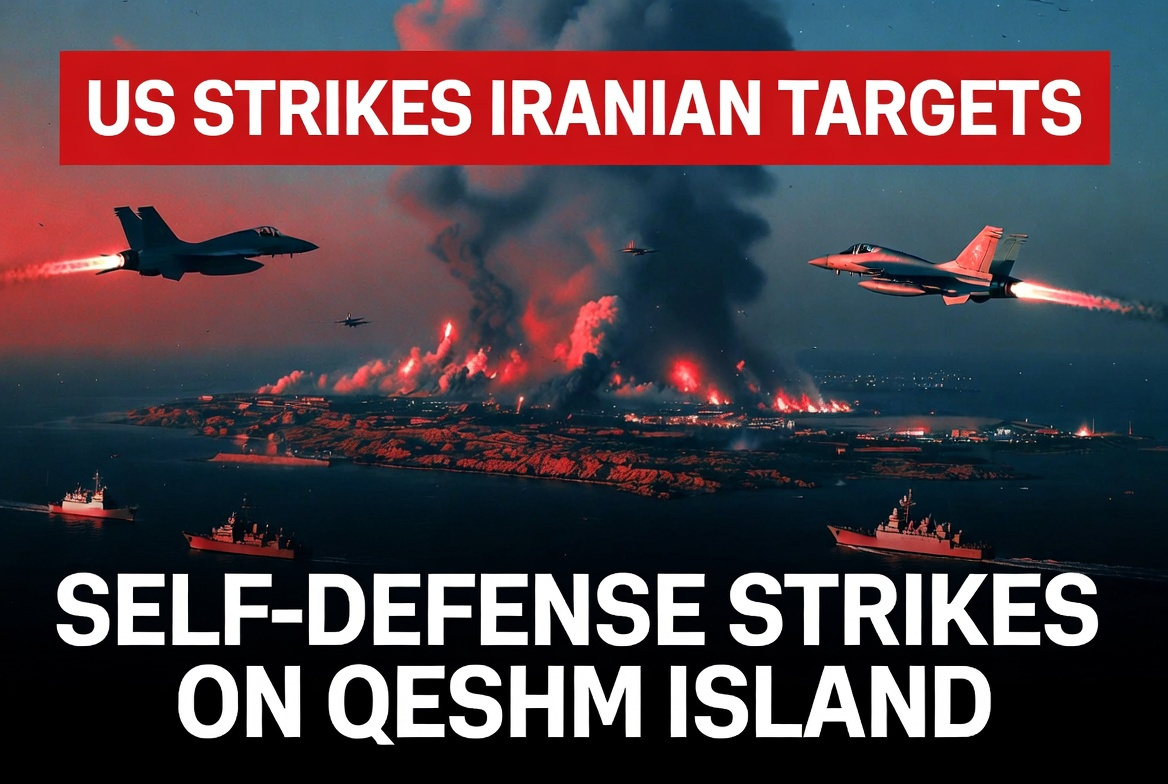
WASHINGTON, D.C June 2, 2026 — U.S. Central Command (CENTCOM) announced on June 1-2, 2026, that it carried out targeted “self-defense strikes” against Iranian radar, drone command-and-control sites, and related facilities in Goruk on the mainland and on Qeshm Island in the Strait of Hormuz.
The strikes, conducted over the weekend using fighter aircraft, destroyed Iranian air defense systems, a ground control station, and two one-way attack drones that posed threats to regional shipping, according to CENTCOM. No U.S. personnel were reported injured.
CENTCOM stated the action responded directly to “aggressive Iranian actions,” including the shootdown of a U.S. MQ-1 drone operating over international waters. Qeshm Island, Iran’s largest island in the Persian Gulf and strategically located at the entrance to the Strait of Hormuz — through which about 20% of global oil shipments pass — holds particular significance.
Iran has not issued an official detailed response as of early June 3, though local media reported explosions near Qeshm, and Iranian sources linked recent exchanges to ongoing tensions.
Following the U.S. strikes, reports emerged of Iranian ballistic missile and drone launches targeting U.S. and allied positions. Kuwait and Bahrain activated air defenses, with some missiles reportedly falling short or intercepted and no U.S. casualties confirmed. Iran’s IRGC claimed actions against U.S.-linked sites in retaliation.
These exchanges occur against the backdrop of a fragile ceasefire in the broader 2026 Iran conflict, with ongoing diplomatic efforts to extend the truce, reopen the Strait of Hormuz fully, and address Iran’s nuclear program and regional security issues.
Strategic Context
- Strait of Hormuz: Any disruption here risks global energy markets; oil prices rose on the latest reports.
- Ceasefire Status: U.S. officials, including references to President Trump and Secretary of State Marco Rubio, have emphasized that diplomacy remains the goal, though military responses to threats continue.
- Regional Impact: Gulf states including Kuwait, Bahrain, Saudi Arabia, and the UAE have faced alerts or interceptions in recent incidents.
This marks another flare-up in months of conflict that began earlier in 2026, involving direct and proxy actions across the region. Both sides have expressed interest in a longer-term deal, but competing demands on sanctions, nuclear limits, and Hormuz access continue to complicate negotiations.
Updates will follow as more details emerge from official statements and market reactions.
About The Author