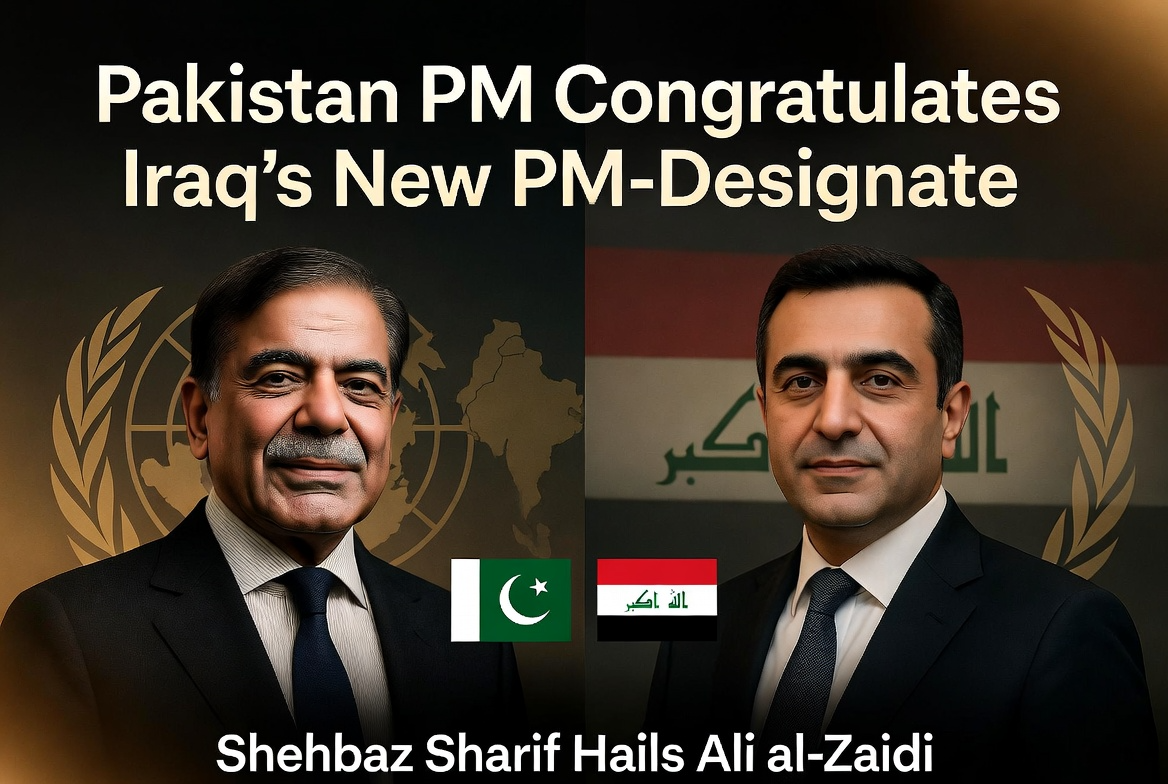
ISLAMABAD May 2, 2026 – Pakistan’s Prime Minister Shehbaz Sharif has extended warm congratulations to Iraqi Prime Minister-designate Ali al-Zaidi on his appointment, signaling Islamabad’s commitment to strengthening bilateral ties with Baghdad.
In a statement posted on X (formerly Twitter) on Saturday, PM Sharif said: “I congratulate my brother H.E. Mr. Ali al-Zaidi on his appointment as Prime Minister of Iraq. I extend my warm wishes to him as he assumes this important responsibility. Pakistan looks forward to working closely with the new Iraqi government to further strengthen our bilateral ties and advance our shared aspirations for peace, stability, and prosperity in the region.”
The message comes just days after Iraq’s Shia Coordination Framework — the largest bloc in parliament — nominated the 40-year-old businessman and banker as its consensus candidate on April 27-28, ending months of political deadlock. President Nizar Amedi formally tasked al-Zaidi with forming a new government, positioning the political outsider as a compromise figure to succeed Prime Minister Mohammed Shia al-Sudani.
Al-Zaidi, a multimillionaire with a background in banking, has 30 days under the Iraqi constitution to present a cabinet lineup for parliamentary approval. His selection follows intense negotiations within the Shia bloc and was reportedly influenced by regional dynamics, including U.S. pressure to avoid candidates seen as too closely aligned with Iran.
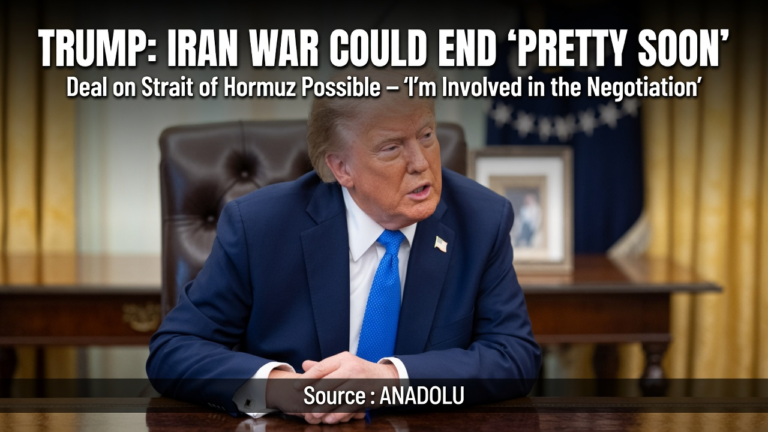
The appointment has drawn international attention, with congratulations also pouring in from U.S. President Donald Trump, Jordan’s Prime Minister Jafar Hassan, and others. Washington has expressed support for al-Zaidi’s efforts to form an inclusive government focused on stability.
Pakistan and Iraq have long maintained cordial diplomatic and economic relations, with cooperation in areas such as trade, counter-terrorism, and people-to-people ties. PM Sharif’s swift message underscores Islamabad’s proactive diplomacy in the region amid ongoing efforts to promote peace and economic partnerships.
This development is being closely watched as Iraq navigates internal political challenges and broader geopolitical tensions in the Middle East.
About The Author