By Professor Dato Dr Ahmad Ibrahim
It is the defining paradox of our geopolitical era: a world more connected by information than ever before, yet increasingly severed by a yawning chasm between professed values and practised reality. Nations, particularly those with the loudest megaphones, deliver soaring paeans to human rights, democracy, and the rules-based order from polished podiums, while their actions—covert or blatant—often tell a story of realpolitik, economic interest, and brute force.
This is not mere diplomatic inconsistency; it is a rampant, corrosive hypocrisy that erodes global trust, empowers autocrats, and leaves the vulnerable in a moral no-man’s land. The question is not whether this is happening, but whether we are doomed to be forever drowned in its tide.
The roots of this hypocrisy are multifaceted. First, it is a weapon of power. For major powers, ideals can become tools of foreign policy—wielded selectively to sanction rivals while excusing allies. The language of human rights becomes a cudgel against adversaries, while strategic partnerships with rights-abusing regimes are justified as “pragmatic engagement.”
This selective outrage reveals a truth: for many states, principles are not absolutes but instruments. Second, domestic politics fuel the fire. Leaders often perform for a home audience, using moralistic foreign policy rhetoric to signal virtue and identity, while their international actions are dictated by less noble, more immediate calculations of trade, security, and influence.
The cost of this duplicity is catastrophic. It breeds profound cynicism, allowing regimes to dismiss all criticism as mere “Western hypocrisy,” a label that unfortunately sticks. It disillusions citizens worldwide, who see a system where might makes right and words are empty. Most tragically, it abandons dissidents, minorities, and the oppressed who naively believed the world’s promises of solidarity, only to find themselves bargained away in backroom deals.
So, is there a turning back? A return to a mythic past of perfect consistency is viewed impossible. International relations have always been messy. However, a turn toward greater integrity is not just possible; it is a necessity for any stable, cooperative world order. This turn will not come from a single grand gesture, but from a sustained, multi-pronged effort.
First, we must shift the currency of credibility from rhetoric to consistent action. The international community—and crucially, domestic electorates—must judge nations not by their speeches at the UN, but by their voting records in international bodies, their arms sales, their asylum policies, and their treatment of their own citizens. The spotlight must be relentlessly focused on the deed, not the word.
Second, we need new and empowered accountability mechanisms that are less susceptible to great power veto. While imperfect, universal legal instruments like the International Criminal Court, and robust, cross-border civil society networks, can slowly raise the cost of hypocrisy. Naming and shaming still has power when backed by incontrovertible evidence and transnational activism.
Third, and most crucially, the fight must be internalised. The most potent antidote to state hypocrisy is an informed, demanding citizenry that holds its own government to the standards it proclaims abroad. When publics insist that their nation’s foreign policy align with its domestic values—not perfectly, but authentically—politicians will be forced to adjust. This requires a media and an educational system that treats international affairs not as a sport of “us versus them,” but as a complex moral landscape where our own side must also be scrutinised.
The path back from rampant hypocrisy is a steep one, littered with the debris of broken promises. It demands humility from those who have lectured the world, and courage from those who have borne the brunt of the world’s indifference. It requires us to trade the comforting, black-and-white narrative of “champions and villains” for the harder, greyer work of building systems that incentivise integrity.
We may never eliminate hypocrisy from global politics—it is, alas, a human constant. But we can choose to stop rewarding it so handsomely. The turning point will come not when nations stop making declarations, but when the world stops being impressed by them, and starts demanding proof.
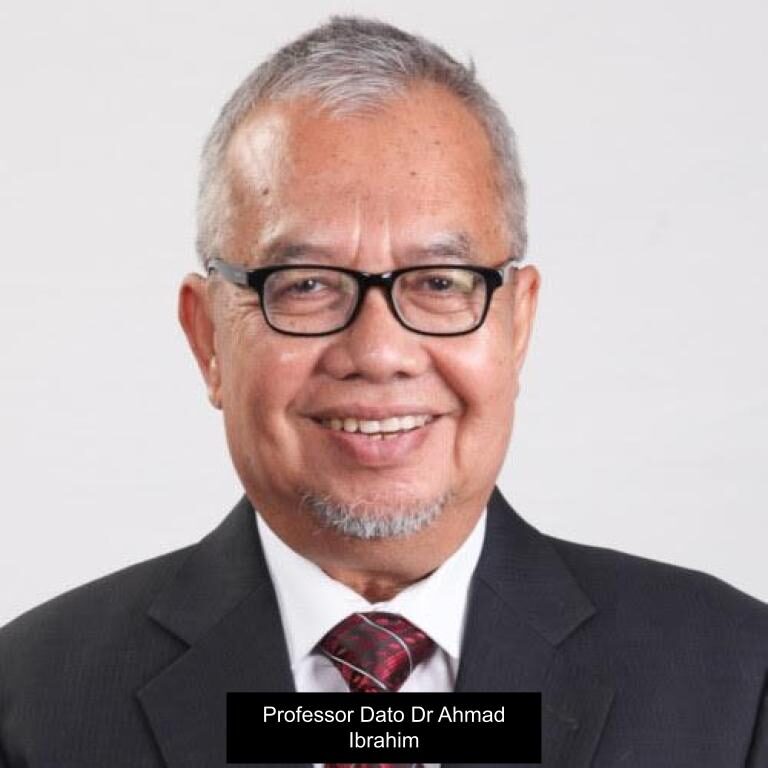
The author is affiliated with the Tan Sri Omar Centre for STI Policy Studies at UCSI University and is an Adjunct Professor at the Ungku Aziz Centre for Development Studies, Universiti Malaya.
About The Author