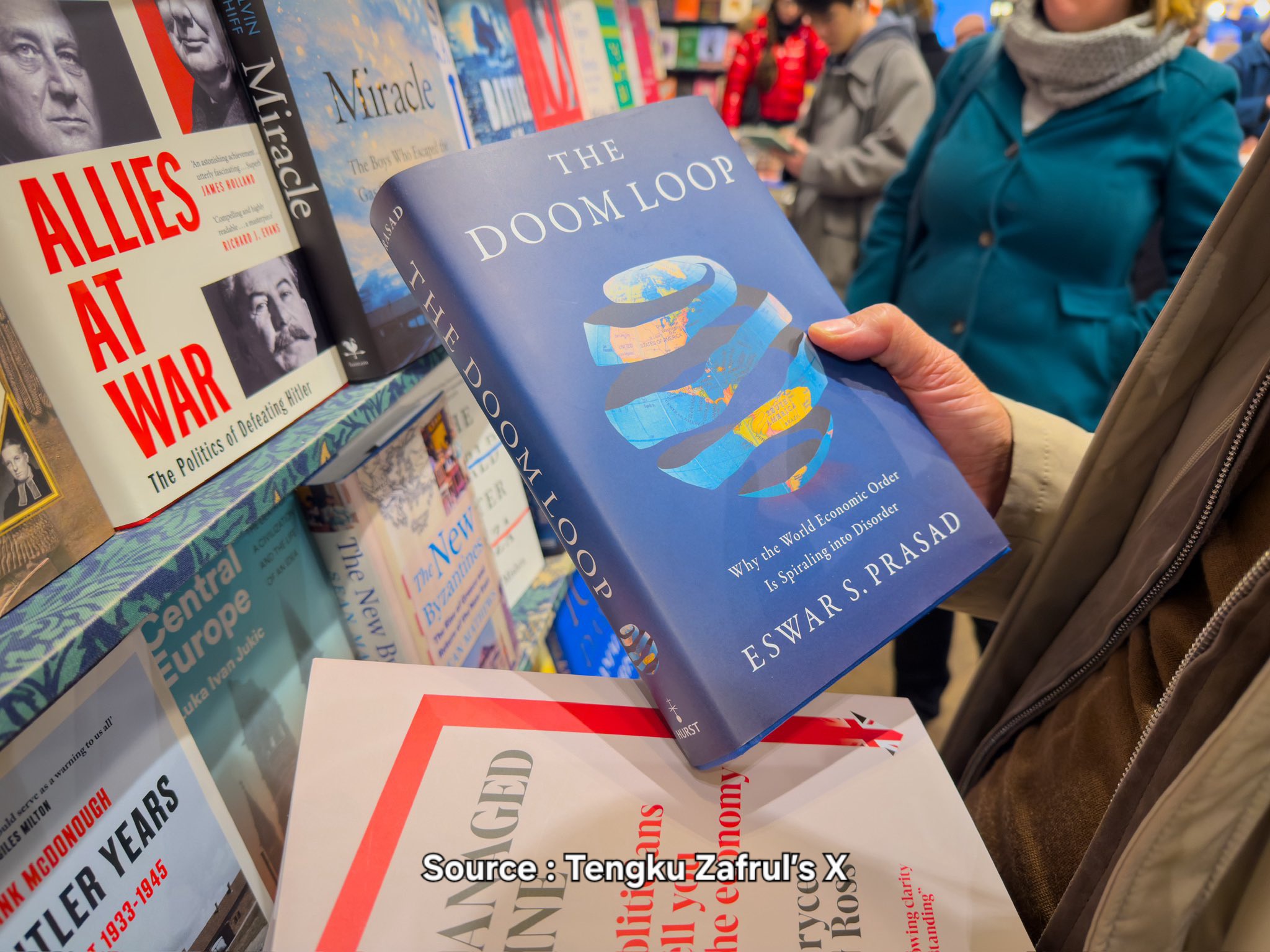
KUALA LUMPUR. MALAYSIA March 28, 2026 – Malaysian Investment Development Authority (MIDA) Chairman Datuk Seri Utama Tengku Zafrul Tengku Aziz has warned that the recent spike in goods prices is not merely a local issue but part of a dangerous global “Doom Loop” triggered by international conflicts.
In a post on X (formerly Twitter) yesterday, Tengku Zafrul laid out the chain reaction clearly:
“Konflik → minyak naik → harga barang naik → rakyat tertekan → keputusan jangka pendek dibuat. Masalahnya? Keputusan jangka pendek ini selalunya buat keadaan jadi lebih teruk. Dan kitaran ini berulang lagi. Itulah ‘Doom Loop’.”
He explained that conflicts abroad push up global oil prices, which in turn inflate the cost of goods and services in Malaysia. This squeezes household budgets, creates public pressure, and often leads governments to opt for short-term populist measures that ultimately worsen the situation — trapping economies in a repeating cycle.
The MIDA chairman illustrated his point by sharing a photo of the book *The Doom Loop: Why the World Economic Order Is Spiraling into Disorder* by economist Eswar S. Prasad.
Tengku Zafrul stressed that while Malaysia cannot control global events, it can control its response.
“Pengajaran paling penting: kita tak boleh kawal dunia, tapi kita boleh tentukan bagaimana kita bertindak balas,” he wrote.
He added a message for leaders: “Dalam kepimpinan — bukan semua keputusan popular itu betul. Kadang-kadang, keputusan yang betul memang sukar… tapi keputusan itulah yang membuka jalan kepada masa depan yang lebih baik.”
The remarks come amid ongoing public concern over rising living costs, with many Malaysians feeling the pinch on daily essentials. Tengku Zafrul, who also serves as President of Badminton Association of Malaysia, used the hashtags #TZA, #BangsaMembacaBangsaBerjaya and #BacaBinaInsan to underscore the importance of informed, forward-thinking leadership.
His statement has drawn attention as Malaysians continue to grapple with the ripple effects of geopolitical tensions on their wallets and job prospects.
About The Author