
WASHINGTON D.C February 13, 2026 – The White House has sharply criticized congressional Democrats for opposing legislation that would mandate voter identification and proof of U.S. citizenship for federal elections.
In a post on X (formerly Twitter) on February 13, 2026, the official @WhiteHouse account stated: “The Democrats refuse to vote for Voter I.D., or Citizenship. The reason is very simple — They want to continue to cheat in Elections.”
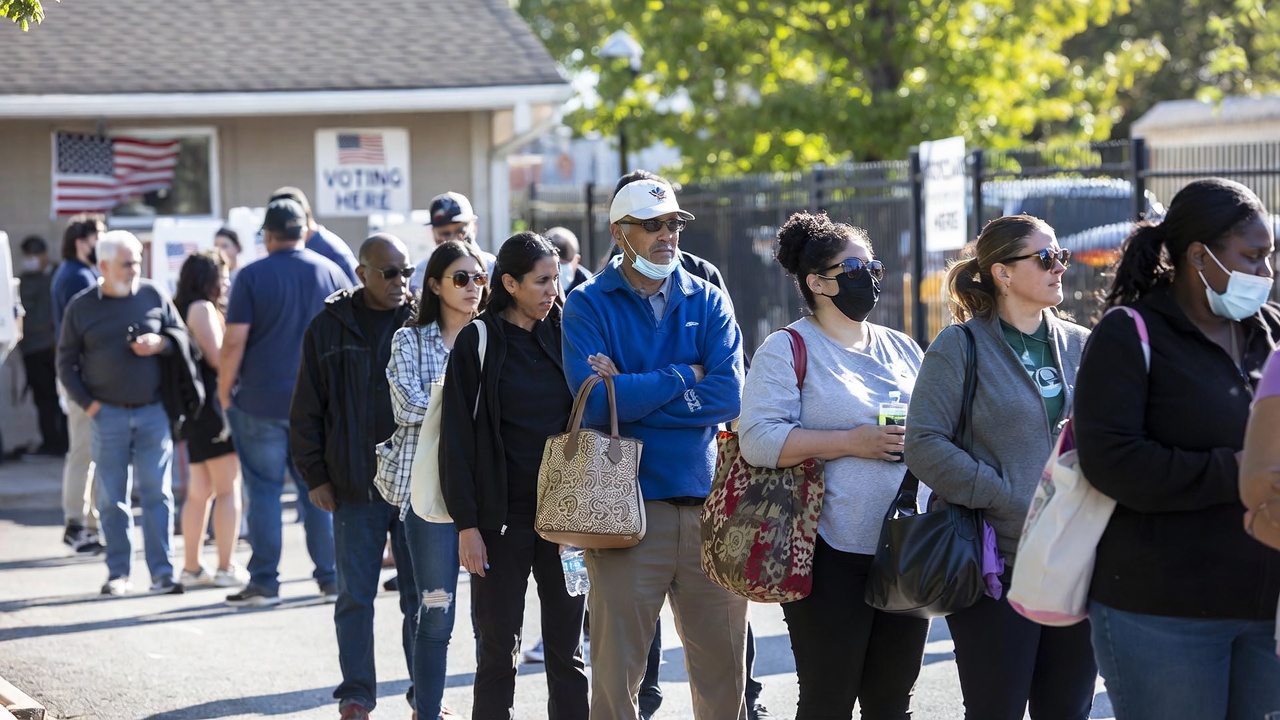
The message, accompanied by an image (likely a graphic emphasizing the claim), quickly garnered significant engagement, with over 13,000 likes, nearly 3,000 reposts, and more than 150,000 views within hours.
This statement appears to reference ongoing debates around the Safeguard American Voter Eligibility (SAVE) Act or similar Republican-backed proposals. Supporters argue that requiring documentary proof of citizenship—such as a passport, birth certificate, or naturalization papers—would help prevent non-citizen voting in federal elections, which they claim undermines election integrity.
Critics, including many Democrats and voting rights organizations, counter that non-citizen voting in federal elections is already illegal under existing federal law, occurs extremely rarely based on available evidence, and that new strict documentation requirements could create unnecessary barriers for eligible American citizens. They point out that millions lack ready access to specific documents like passports, and that current registration processes already include safeguards such as providing driver’s license numbers, partial Social Security numbers, or sworn attestations under penalty of perjury.
Replies to the White House post reflected the polarized reactions:
– Supporters echoed calls to “stop the cheating” and demanded additional measures like banning mail-in ballots.
– Opponents labeled the claim as baseless, citing numerous post-2020 election audits, recounts, and over 60 lawsuits that found no widespread fraud. Some accused the administration of promoting voter suppression tactics targeting low-income voters, seniors, students, and minority communities.
The post comes amid heightened partisan tensions over election rules ahead of the 2026 midterms. No major new evidence of widespread election fraud has emerged in recent federal investigations or court rulings since the 2020 and 2024 cycles.
This latest statement from the White House continues a long-standing Republican emphasis on voter ID and citizenship verification as key election security measures, while Democrats maintain that such proposals disproportionately affect legitimate voters without addressing a substantiated problem. The debate remains a central flashpoint in American politics.
About The Author