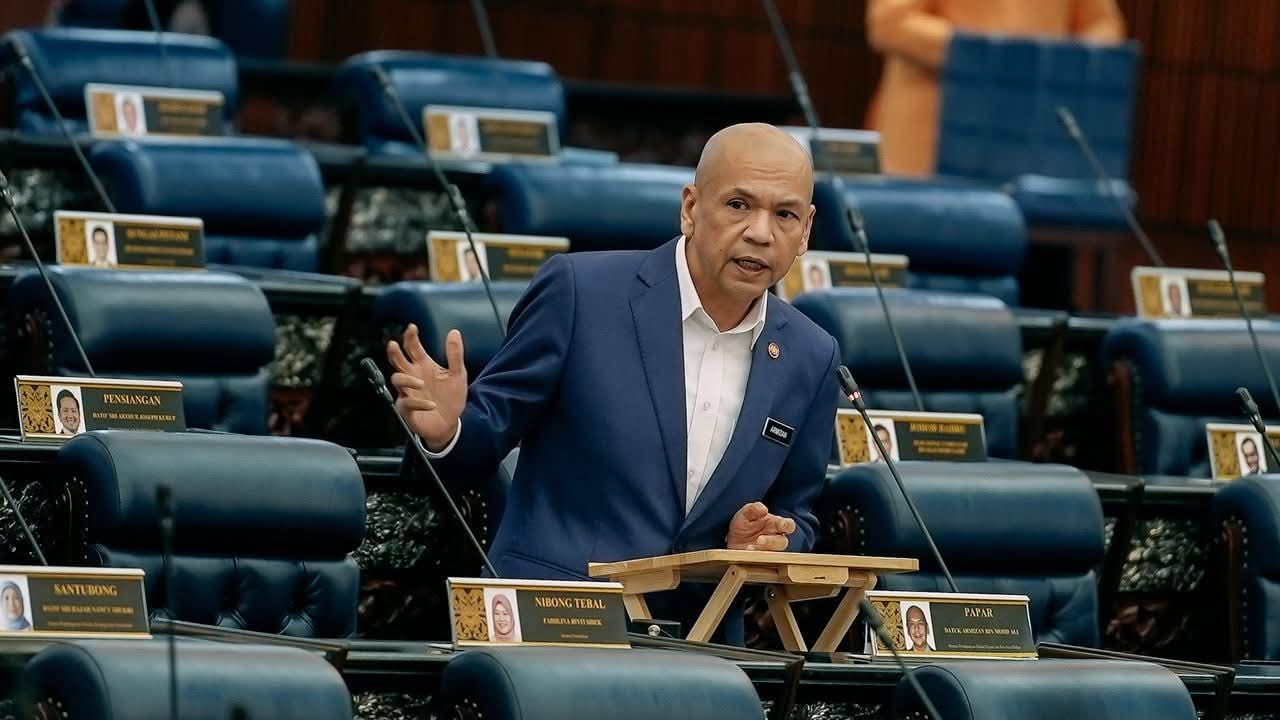
KUALA LUMPUR, MALAYSIA January 28, 2026 – The Malaysian government is drafting new regulations to strengthen controls on the sale and purchase of subsidised RON95 petrol, particularly to prevent leakage to foreign-registered vehicles. This was announced by Datuk Armizan Mohd Ali, Minister of Domestic Trade and Cost of Living (KPDN), during a session in the Dewan Rakyat (House of Representatives) on Wednesday, 28 January 2026.
In his address, Armizan explained that the new rules will be introduced under Section 6 of the Control of Supplies Act 1961. The aim is to enhance enforcement over the distribution of subsidised RON95 fuel. Key points include:
– The regulations will not be limited to petrol station operators (owners and attendants).
– Individuals who buy, own, or drive foreign-registered vehicles can also face enforcement action if they purchase or attempt to purchase subsidised RON95.
This measure addresses ongoing concerns about subsidy leakage, especially at border petrol stations where foreign-registered vehicles (e.g., from Singapore, Thailand, or Indonesia) have historically been prohibited from buying RON95 under existing rules. The ban remains in place, and the new framework seeks to close loopholes by expanding accountability to end-users.
Armizan noted that the KPDN is currently engaging with relevant stakeholders to finalise the details. The new regulations are targeted for implementation starting 1 April 2026.
The discussion in Parliament aligns with the broader policy of targeted subsidies (penyasaran subsidi) for RON95, which the government has been rolling out progressively to ensure benefits reach Malaysian citizens while curbing misuse by non-citizens and high-income groups. Enforcement actions against non-compliant petrol stations have been reported in recent cases, underscoring the government’s commitment to protecting national resources.
This development follows earlier statements on maintaining strict controls, even as aspects of RON95 pricing and eligibility have been refined under the targeted subsidy system (such as BUDI95 initiatives in 2025). The move is expected to further reduce fiscal leakage and support fair distribution of subsidies to eligible Malaysians.
About The Author