KUALA LUMPUR, MALAYSIA January 22, 2026 – In a resounding show of athletic prowess, Malaysia’s contingent at the 2025 SEA Games exceeded expectations by clinching 231 medals, surpassing the initial target of 200. This achievement, hailed as the nation’s best performance at an away edition since the 2007 Games in Korat, Thailand (216 medals), has set the stage for ambitious plans to sustain and elevate Malaysia’s sporting dominance.
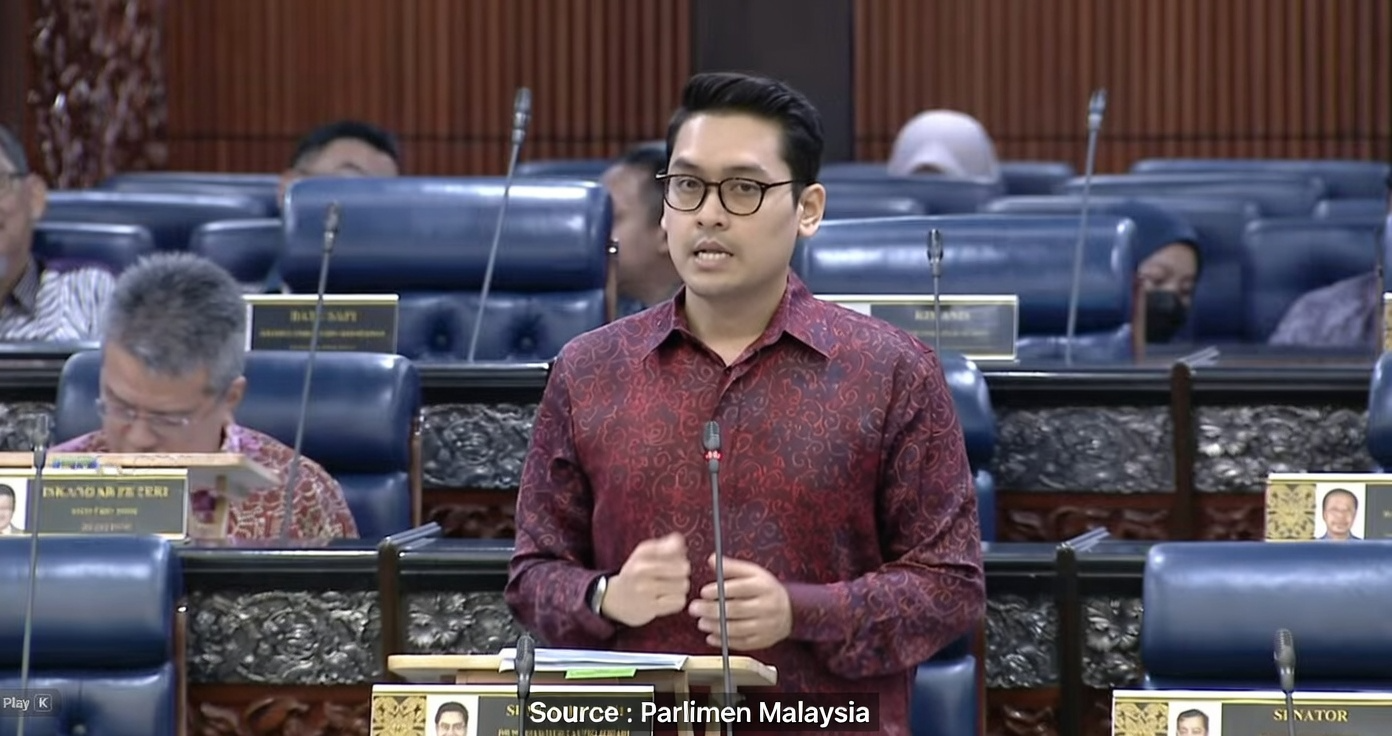
During today’s Dewan Rakyat session, Youth and Sports Minister, Dr. Mohammed Taufiq Johari responded to a query from Tebrau MP Jimmy Puah Wee Tse, outlining a comprehensive roadmap to build on this success. The Minister emphasized the collaborative efforts between the Ministry of Youth and Sports (KBS), National Sports Council (MSN), National Sports Institute (ISN), Olympic Council of Malaysia (MOM), and national sports associations (PSK) as key to the triumph.
“Malaysia is now gearing up for the 2027 SEA Games, with preparations kicking off this year,” the Minister stated. A stakeholder engagement session held on January 6, 2026, aligned training directions across all PSKs. The preparation is structured in three phases:
- Phase 1 (January to December 2026): Focus on selecting and identifying high-potential athletes, with tailored training support.
- Phase 2 (January to May 2027): Intensive performance enhancement through high-intensity training and competitive exposure.
- Phase 3 (June to September 2027): Full-time intensive training to ensure peak readiness for the event.
The 2027 SEA Games, scheduled from September 18 to 29, will be hosted across four main clusters: Kuala Lumpur, Sarawak, Penang, and Johor. An initial list of 38 sports has been announced, with appeals for additional sports open from December 8, 2025, to March 2026. Decisions will be finalized by the SEA Games 2027 Organizing Committee. Taufiq expressed optimism, aiming for Malaysia to climb into the top three overall standings, an improvement from the 2025 edition.
Beyond SEA Games, the focus extends to larger arenas. The MSN’s ASIAKOM Program will prepare athletes for the 2026 Asian Games in Nagoya, Japan, and the 2026 Commonwealth Games in Glasgow, Scotland, prioritizing medal-potential athletes with targeted development.
In pursuit of Malaysia’s elusive first Olympic gold, the Road to Gold (RTG) initiative will continue as a strategic pillar toward the 2028 Olympics. Targeting elite athletes with world-class rankings, RTG provides holistic support including training, competitions, sports science, medical care, and welfare. The government has allocated RM12 million for RTG in 2026 to facilitate phased early preparations.
Taufiq also highlighted a holistic approach to athlete development, incorporating mental resilience programs in partnership with the Malaysian Armed Forces (ATM). These initiatives aim to foster mental toughness, discipline, national identity, and patriotism, complementing high-performance training.
This forward-looking strategy underscores Malaysia’s commitment to transforming recent successes into a legacy of sporting excellence on the global stage. As Puah noted in his query, the 2025 SEA Games milestone paves the way for greater ambitions, particularly in chasing that historic Olympic gold.
About The Author