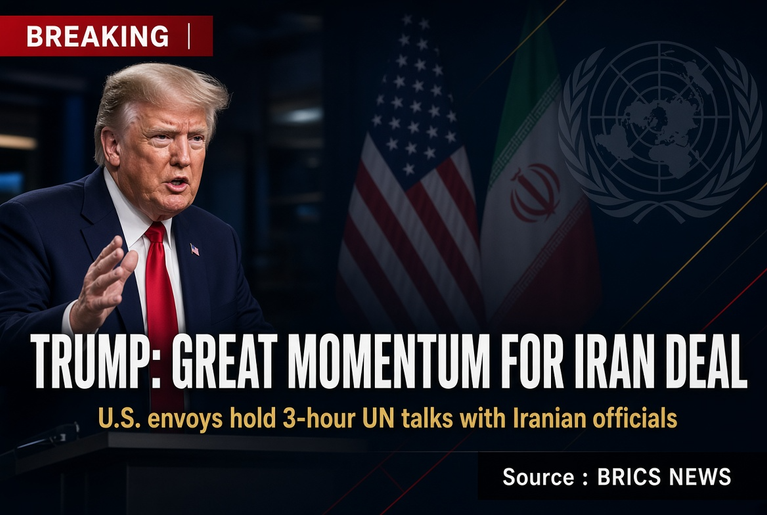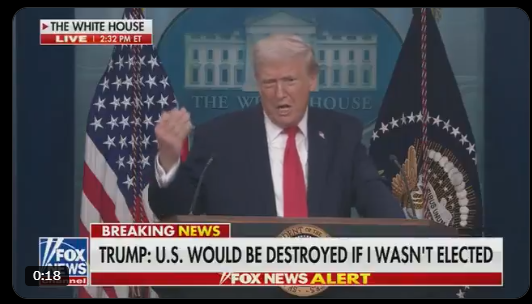
WASHINGTON D.C January 20, 2026 – In a White House press conference today, President Donald Trump hailed recent U.S. military operations against Venezuela and Iran’s nuclear facilities, stating, “Our country is proud.” The remarks, shared by the U.S. Department of State on X, underscore the administration’s aggressive foreign policy stance amid ongoing global tensions.
The president’s comments refer to two major interventions. On January 3, U.S. forces conducted a swift operation in Venezuela, bombing targets around Caracas and capturing former President Nicolás Maduro and his wife, Cilia Flores. Maduro, now detained in New York, faces federal charges related to drug trafficking and ties to terrorist-designated groups. Trump described the action as a success, asserting that the U.S. is temporarily “in charge” of Venezuela to facilitate a transition and resume oil production. He warned that further military steps could follow if stability falters.
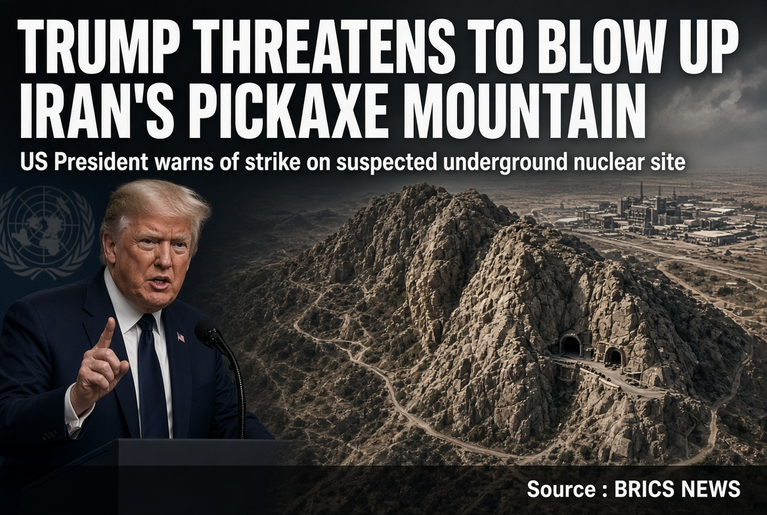
This follows a June 2025 U.S. bombing campaign, dubbed “Operation Midnight Hammer,” which targeted Iran’s key nuclear sites at Fordow, Natanz, and Isfahan. Trump claimed the strikes “obliterated” Iran’s nuclear program, though intelligence assessments indicate it was only delayed by months. The action came amid escalating tensions, including Israel’s prior strikes on Iranian targets.
International reactions have been sharp. Russia and Iran condemned the Venezuela strikes as “armed aggression” and a violation of sovereignty, calling for U.N. Security Council intervention. Iran’s foreign ministry labeled the U.S. actions “flagrant violations,” while analysts warn of heightened risks in global oil markets, with Iran producing far more than Venezuela.
Domestically, critics argue the operations bypass congressional authorization, violating the War Powers Resolution. Trump has defended the moves as necessary for U.S. security, emphasizing his “bold leadership.” Recent protests in Iran prompted Trump to threaten further action, but he paused after Tehran reportedly halted executions.
The administration’s approach has drawn comparisons to historical U.S. interventions, with some praising it as decisive and others decrying it as imperialistic. Trump has also floated threats against other nations, including Greenland and Cuba, signaling a broader “America First” strategy.
As oil prices fluctuate and diplomatic fallout continues, the White House maintains these actions enhance U.S. strength on the world stage.
About The Author