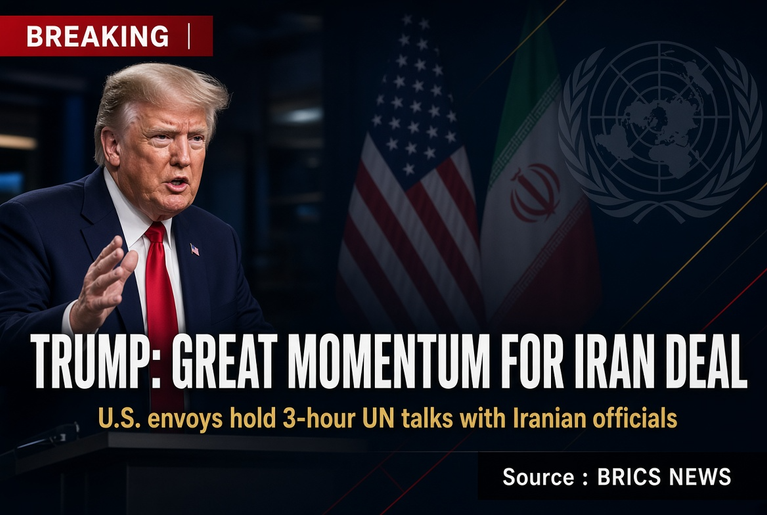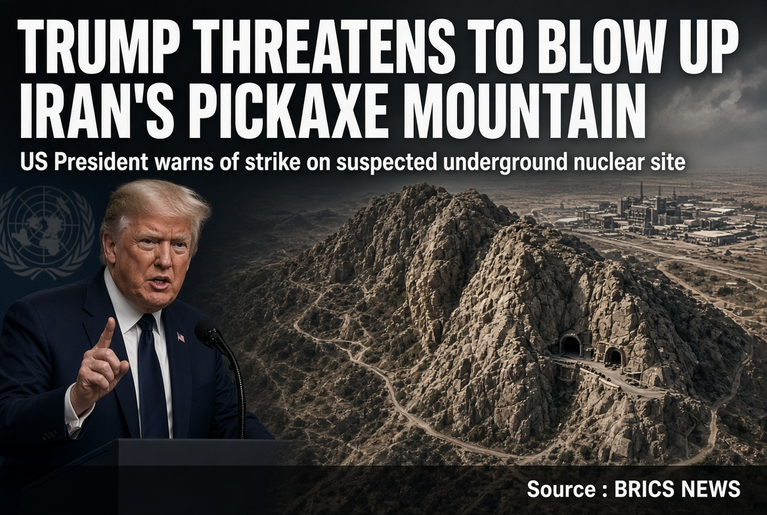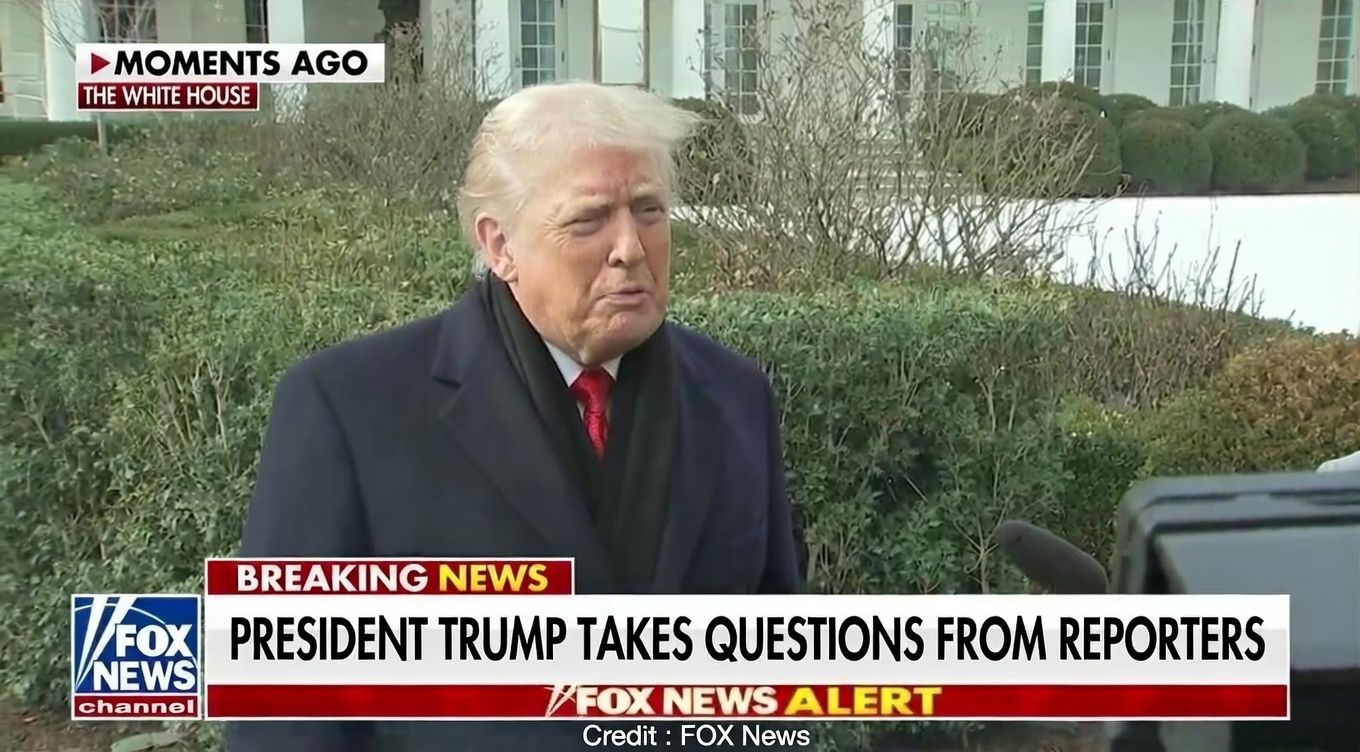
WASHINGTON, D.C. January 16, 2026 – U.S. President Donald Trump stated on Friday that Iran’s decision to cancel scheduled mass executions played a significant role in his choice to refrain from launching military strikes against the Islamic Republic.
Speaking to reporters on the South Lawn of the White House before departing for the weekend, Trump addressed questions about potential U.S. intervention amid ongoing unrest in Iran.
A reporter asked: “Did Arab and Israeli officials convince you to not strike Iran?”
Trump replied: “Nobody convinced me. I convinced myself. You had yesterday scheduled over 800 hangings. They didn’t hang anyone. They canceled the hangings. That had a big impact.”
The brief exchange, captured in a Fox News broadcast, comes after weeks of heightened tensions. Protests erupted in Iran late last year over economic hardships and have escalated into widespread calls for an end to clerical rule. The Iranian government responded with a severe crackdown, imposing a near-total internet blackout since January 8 and reportedly causing thousands of deaths, according to opposition groups and human rights monitors.
Earlier in the week, Trump had warned of “very strong action” if Iran proceeded with hanging protesters, raising fears of U.S. military involvement. Regional allies, including Gulf states, reportedly urged restraint to avoid broader conflict.
While Trump credited the reported cancellation of executions with de-escalating the situation, Iranian opposition figures and exile groups have disputed claims of reduced violence. They allege that killings and arrests continue amid the communications blackout, with some reports estimating over 12,000 deaths in the crackdown.
The White House has not provided further details on the sources of Trump’s information regarding the canceled hangings. Protests in Iran appear to have subsided following the intense suppression, though the long-term stability of the regime remains uncertain.
This development marks a temporary easing of U.S.-Iran tensions, which had intensified concerns over potential regional escalation.
About The Author