By Professor Dato Dr Ahmad Ibrahim
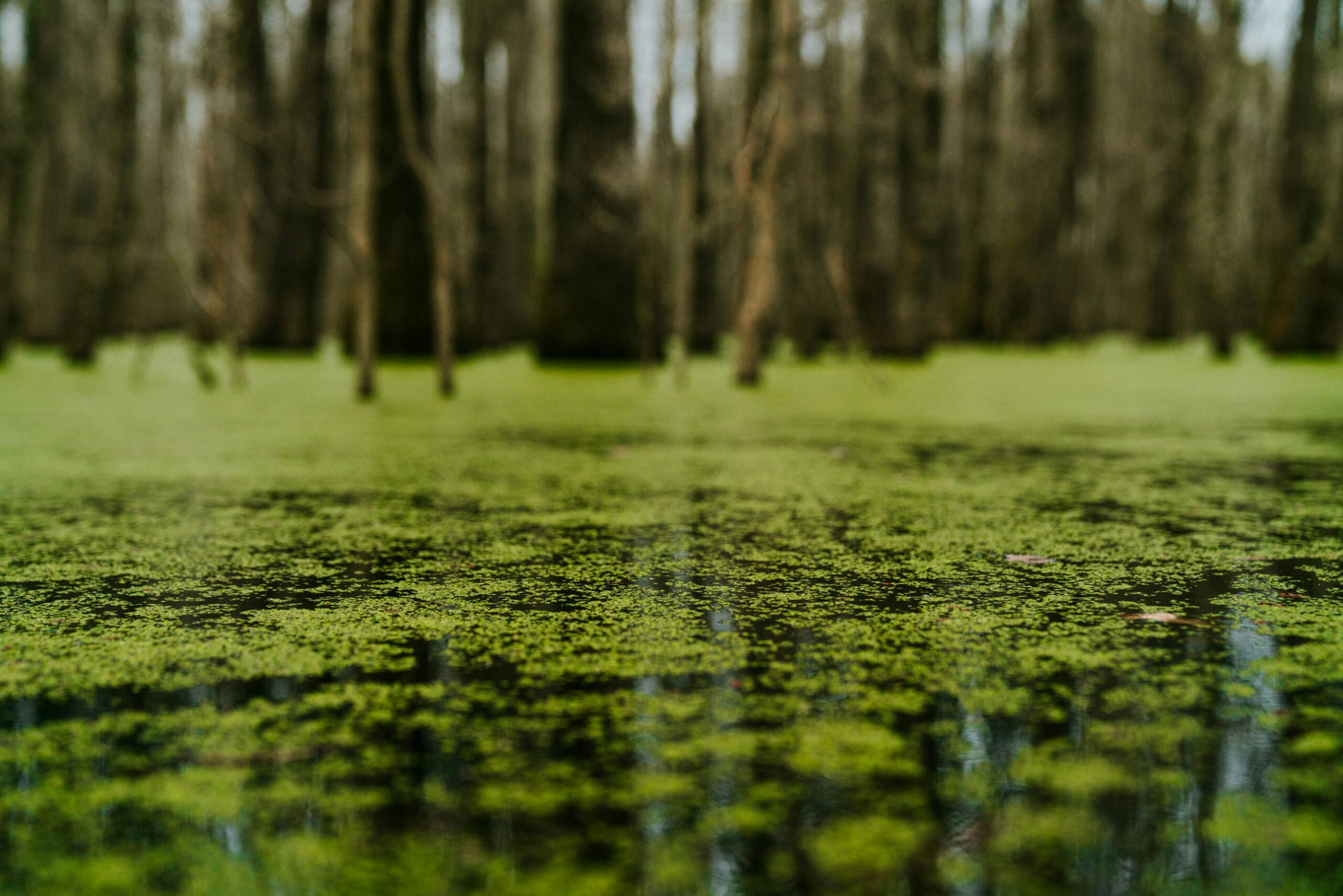
In the race to curb the climate catastrophe, an unlikely contender is rising from the depths, algae. Often dismissed as pond scum, these humble organisms are now at the forefront of a radical experiment to rebalance the Earth’s carbon cycle. While world leaders tout flashy carbon-capture machines and trillion-tree campaigns, scientists and startups are quietly harnessing algae’s ancient power to absorb CO₂, and in the process, reimagining what a sustainable future could look like. Japan, an energy-deficient country, is especially optimistic about the promising future of the algae technology. A few Japanese companies are in Malaysia pursuing the algae route. One has strategic ties with our Petronas as Malaysia’s oil giant pursues investment in renewable fuel.
Experts argue algae offer an advantage as nature’s carbon sponge Algae have been scrubbing CO₂ from the Earth’s atmosphere for 3 billion years. Today, they’re being weaponized against humanity’s greatest crisis. A single hectare of algae can absorb 20 times more CO₂ than a forest. Some species double their biomass in a day, outpacing even the fastest-growing crops. No land is not a problem. Algae thrive in saltwater ponds, wastewater tanks, or vertical bioreactors. Unlike forests or croplands, they don’t compete with food production or freshwater resources. Captured carbon isn’t just buried, it’s transformed. Algae become biofuels, biodegradable plastics, fertilizers, and even protein-rich food additives. It has been reported that companies like Corbion and Algenol are already turning green slime into jet fuel and smartphone cases. In California, ExxonMobil’s algae farms soak up emissions from power plants. In Scotland, whisky distilleries funnel CO₂ into algae tanks, producing livestock feed. This isn’t science fiction. It’s science in action.
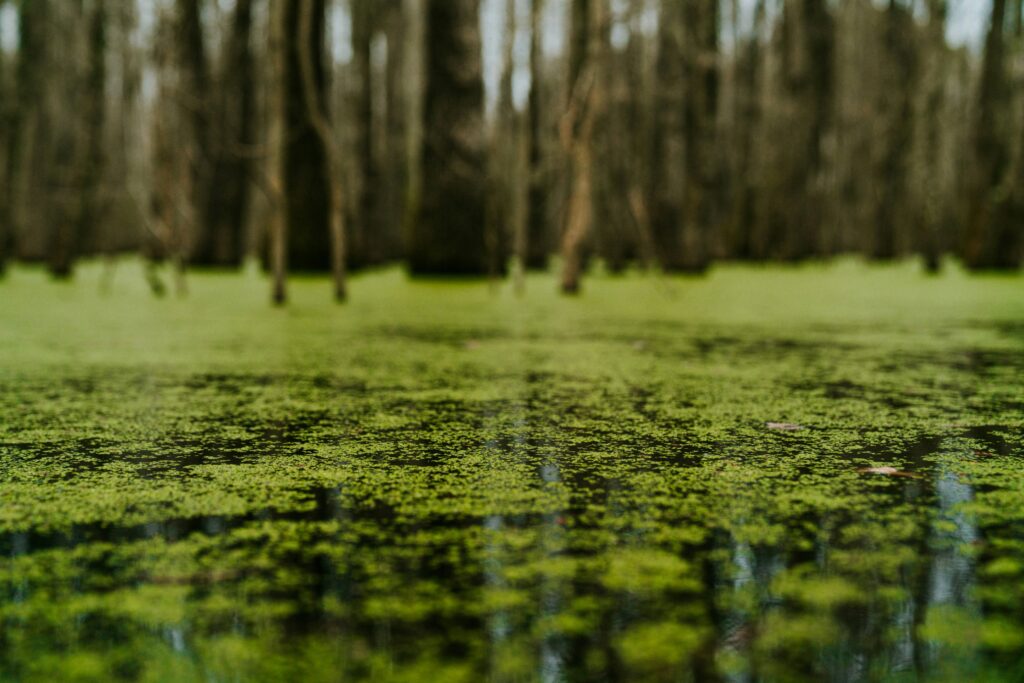
For all its promise, algae do face a tide of challenges. The cost conundrum is one. Open ponds are cheap but inefficient. Closed bioreactors work better but guzzle energy. At $300–$1,000 per ton of captured CO₂, algae solutions cannot compete with $15-per-ton carbon credits. Without government subsidies, scaling up is a pipe dream. Unless algae biomass is locked away forever, in concrete, biochar, or deep geological vaults, its carbon leaks back into the air. Most projects today focus on short-term products like fuel, which merely delay emissions. Open-air algae farms risk invasive species outbreaks or nutrient runoff that could choke rivers and coasts. In 2014, a Florida algae bloom killed 2,000 tons of marine life, a cautionary tale. Critics argue that algae carbon capture is a distraction, a band-aid on the bullet wound of fossil fuel dependence. They’re not entirely wrong. But in a world hurtling toward more than 1.5°C of warming, we need every band-aid, and miracle cure we can get.
The algae revolution is being turbocharged by breakthroughs that sound straight out of a lab thriller. Designer algae take the cake. Synthetic biologists are gene-editing supercharged strains. Startups like Synthetic Genomics have engineered algae to grow in brackish water, resist predators, and produce twice as much lipid oil for biofuels. Machine learning algorithms now predict the perfect cocktail of light, temperature, and nutrients to maximize growth. In the EU’s ALGAE4A-B project, AI optimizes pond conditions in real time, slashing costs. There is talk about carbon-negative concrete. Companies like Blue Planet Systems are mixing algae-based limestone into cement, creating buildings that literally suck CO₂ from the sky. Even energy hurdles are crumbling. Solar-powered bioreactors in deserts, offshore algae rigs powered by tidal energy, these are no longer concepts but pilot projects.
For the road ahead, algae alone won’t save us. But they could be a critical piece of the decarbonization puzzle, if we act boldly. Three steps are urgent. One, fund the moonshots. Governments must redirect fossil fuel subsidies to algae R&D, particularly for low-energy bioreactors and permanent carbon storage methods. A global carbon tax would force polluters to pay for algae-based solutions, making them economically viable overnight. And think circular. Mandate algae-derived materials in construction, packaging, and transportation. California’s recent ban on petroleum-based plastics by 2032 is a start.
Algae have survived mass extinctions, ice ages, and asteroid strikes. Their resilience is a lesson. Adaptation is the key to survival. Today, as humanity faces its own existential threat, these ancient organisms offer more than carbon capture, they offer a blueprint for a circular economy where waste becomes food, and pollution becomes profit. The path won’t be easy. But in the words of algae pioneer Dr. Chuck Greene: “We’re not betting on algae because it’s perfect. We’re betting on it because it’s possible.” In the fight for our planet, that’s reason enough to dive in. This challenges us to rethink our climate strategy, not with silver bullets, but with green slime. After all, in a world on fire, even the humblest solutions deserve their day in the sun. Are we investing enough in algae research?

The author is affiliated with the Tan Sri Omar Centre for STI Policy Studies at UCSI University and is an Adjunct Professor at the Ungku Aziz Centre for Development Studies, Universiti Malaya.
About The Author