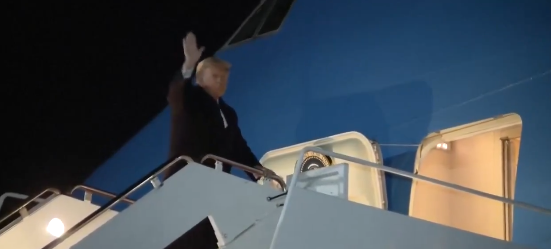
WASHINGTON D.C, Oct 25, 2025 – President Donald J. Trump departed Joint Base Andrews early Saturday morning for a week-long diplomatic swing through Asia, marking his first major foreign trip since reclaiming the White House. The itinerary, announced by White House officials earlier this week, includes stops in Malaysia, Japan, and South Korea, where the president is expected to focus on strengthening economic alliances, countering Chinese influence, and advancing U.S. interests in the Indo-Pacific region.
Footage released by the White House Rapid Response team captured the 79-year-old commander-in-chief boarding Air Force One under the cover of night, his signature red tie absent in a more casual dark ensemble as he ascended the aircraft’s stairs with a purposeful stride. The brief video, shared on social media, has already garnered tens of thousands of views and drawn an outpouring of support from the president’s base, with users offering prayers for safe travels and hailing the trip as a bold assertion of American leadership.
“This is a big trip for America First diplomacy,” said White House Press Secretary Karoline Leavitt in a briefing Friday afternoon. “President Trump will be rolling out the red carpet—figuratively and literally—to secure deals that put American workers first, from semiconductors in South Korea to supply chain resilience in Japan.”
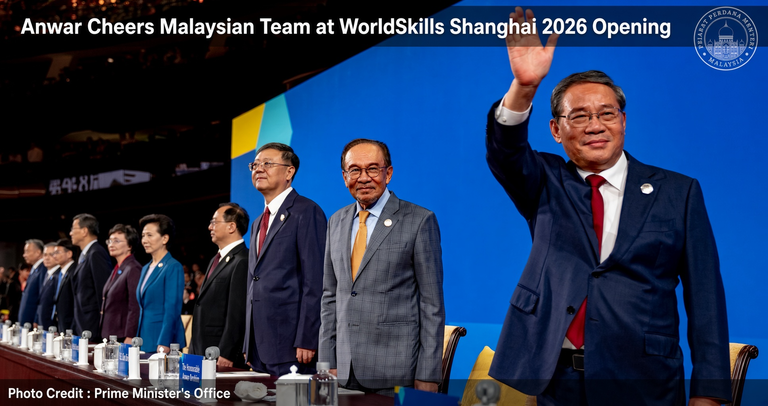
The tour kicks off in Kuala Lumpur, Malaysia, on Sunday, where Trump will meet with Prime Minister Dato’ Seri Anwar Ibrahim to discuss expanding bilateral trade and combating regional piracy in the South China Sea. Analysts anticipate announcements on new investments in Malaysian palm oil and electronics manufacturing, sectors hit hard by ongoing U.S.-China tariffs.
From there, the president heads to Tokyo for bilateral talks with Japanese Prime Minister Sanae Takaichi, focusing on defense cooperation and the U.S.-Japan security alliance. Sources close to the administration indicate Trump may push for increased Japanese contributions to joint military exercises, echoing his first-term emphasis on burden-sharing among allies. A potential highlight: a joint statement on quantum computing partnerships, aimed at outpacing Beijing’s tech ambitions.
The trip culminates in Seoul, South Korea, with meetings alongside President Lee Jae Myung. Top of the agenda is the U.S.-Korea Free Trade Agreement review, with Trump reportedly seeking concessions on auto exports to protect Detroit’s Big Three automakers. Human rights advocates are watching closely, hoping for discussions on North Korea’s nuclear program, though optimism remains tempered given Pyongyang’s recent missile tests.
The journey comes at a pivotal moment for global economics. With inflation cooling domestically but supply chain disruptions lingering from the pandemic era, Trump’s Asia pivot underscores his administration’s strategy to “decouple” from overreliance on Chinese manufacturing. Economists warn, however, that aggressive renegotiations could spark retaliatory measures, potentially hiking consumer prices for everything from iPhones to Toyotas.
Security remains a top priority, with the U.S. Secret Service coordinating with local forces across all three nations. The president’s travel schedule also includes a low-key stop at the Demilitarized Zone (DMZ) near the Korean border, a symbolic nod to his unconventional diplomacy style.
As Air Force One lifts off, all eyes are on whether Trump can parlay his deal-making persona into tangible wins—or if the trip will reignite old trade war flames. Updates from the road are expected throughout the week, with the president slated to return to Washington on November 1.
About The Author