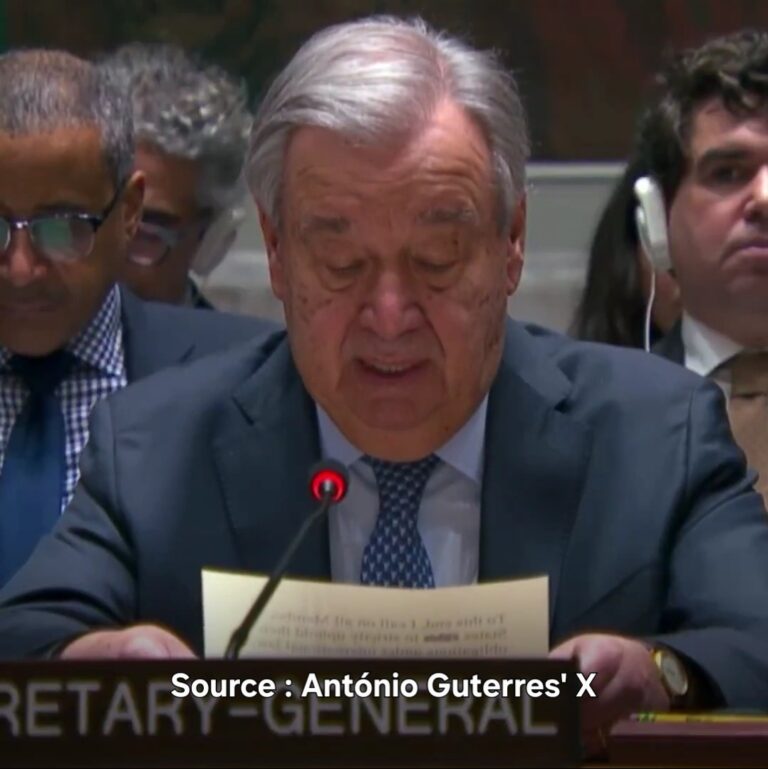
WASHINGTON, D.C. January 2, 2026 – As Americans usher in 2026, national gas prices have fallen to their lowest point in nearly five years, providing relief at the pump amid ongoing economic pressures. The White House highlighted the development on X (formerly Twitter), attributing the decline to the “Trump Effect” and contrasting it with prices under former President Joe Biden.
In a post from the official @WhiteHouse account on January 2, 2026, the administration shared a graphic from Newsmax stating: “National gas prices are at their cheapest levels in almost five years, beginning 2026 at an average of 23 cents less than a year earlier under then-President Joe Biden.” The post linked to a Newsmax article, which reported the national average price for regular gasoline at $2.833 per gallon on New Year’s Day, down from $3.06 a year prior.
Data from the American Automobile Association (AAA) confirms the trend, showing the national average at $2.830 per gallon as of January 2, 2026 – the lowest since March 2021. This represents a drop of about seven cents from the previous month and continues a downward trajectory that accelerated in the fall of 2025. AAA attributed the decline to low crude oil prices, with West Texas Intermediate trading below $60 per barrel for much of December 2025, coupled with steady gasoline supplies.
The price drop has been widespread, with 40 states now averaging below $3 per gallon. Oklahoma leads with the cheapest fuel at $2.253, followed by states like Iowa ($2.37) and Texas ($2.437). In contrast, Hawaii and California remain the most expensive, at $4.415 and $4.266 respectively, where state taxes and regulations contribute to higher costs. Overall, the national average has fallen below $3 since early December 2025, marking the cheapest December since 2020, even as holiday travel hit record levels.
The White House’s framing of the issue as the “Trump Effect” comes amid President Donald Trump’s first year in his second term, following his inauguration on January 20, 2025. While prices did begin declining sharply in October 2025 – from $3.16 to $3.04 by month’s end – the administration emphasizes the year-over-year improvement as evidence of its energy policies. Critics, however, point out that global factors like reduced demand and stable oil production played a role, with prices already trending downward before key policy changes took full effect.
Reactions on X to the White House post were mixed, reflecting the politicized nature of energy costs. Supporters praised the development, with one user writing, “Thanks President Trump,” while others accused hypocrisy, noting that similar drops under Biden were dismissed by conservatives. Another reply highlighted unrelated concerns, stating, “Trump is Israel-first. He is a traitor.” Skeptics also questioned the narrative, with comments like, “The hypocrisy is amazing. When gas prices fell during Pres. Biden’s administration you all said he had absolutely nothing to do with it.”
Economists note that while presidential policies can influence long-term energy markets through drilling permits and regulations, short-term fluctuations are often driven by international oil prices, refinery output, and seasonal demand. The U.S. Energy Information Administration reported a weekly average of $2.94 for the week ending December 29, 2025, down 6.52% from the previous year.
As drivers enjoy more budget-friendly fill-ups, the drop offers a bright spot in an economy still grappling with inflation remnants. AAA predicts stable prices in the near term, barring major geopolitical disruptions. For many Americans, the lower costs underscore the tangible impact of energy on daily life, regardless of political attribution.
About The Author