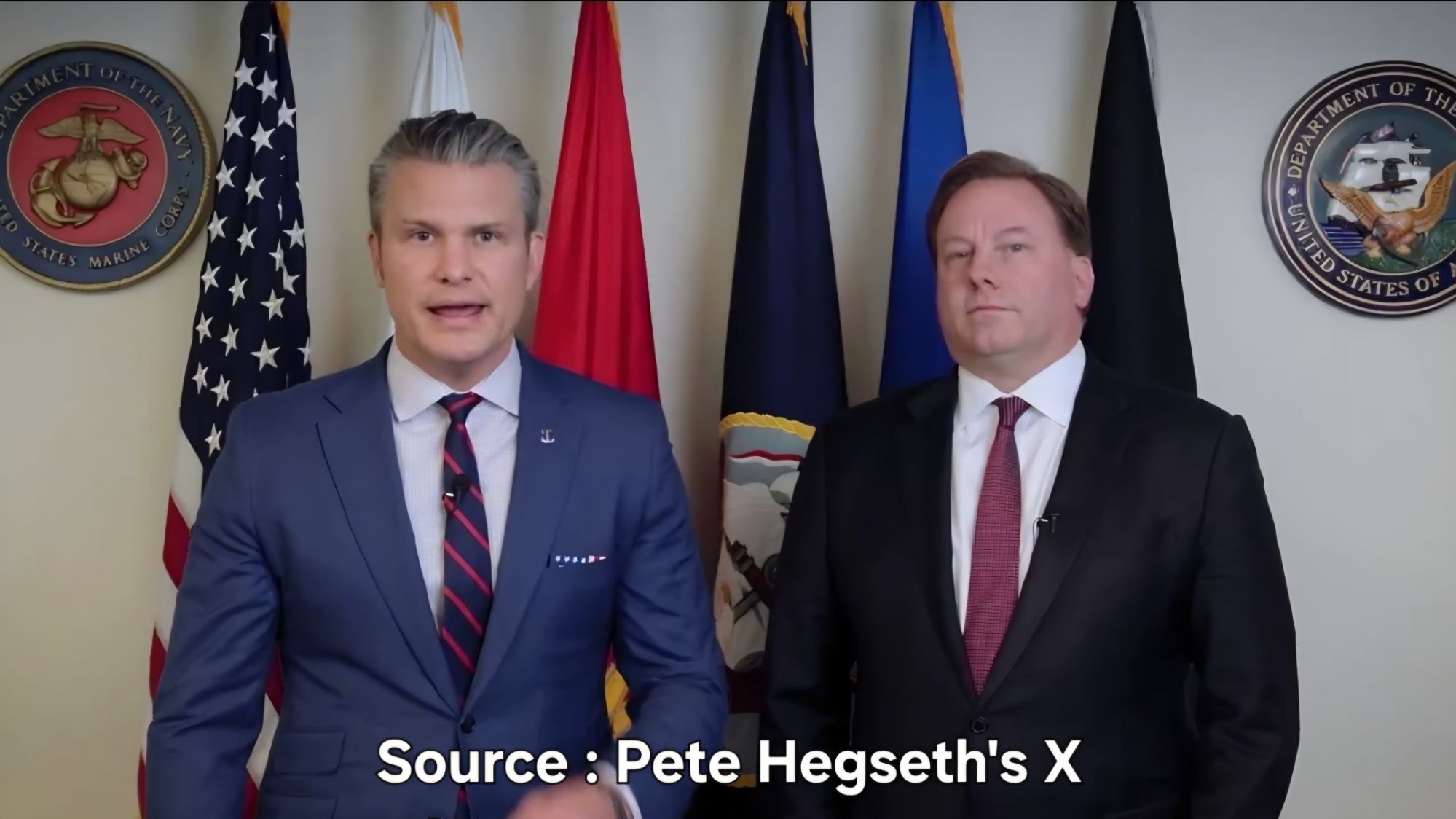
WASHINGTON D.C. February 10, 2026 – The United States is experiencing a historic boom in defense exports, driven by President Donald Trump’s innovative America First Arms Transfer Strategy, according to United States Secretary of War Pete Hegseth.
In a statement posted on X (formerly Twitter) on February 10, 2026, Secretary Hegseth highlighted that record-breaking U.S. defense sales are actively revitalizing the nation’s industrial base. “Our allies want the world’s most lethal weapons—American weapons,” he wrote, emphasizing the global demand for U.S.-made military equipment.
The announcement comes amid a push to strengthen domestic manufacturing and job creation through increased foreign military sales. Proponents argue the strategy enhances American economic competitiveness, accelerates production timelines for allies, and reinforces strategic partnerships worldwide by prioritizing “Made in USA” systems.
The post, shared from the official @SecWar account, included a video clip (approximately 2:24 in length) underscoring the policy’s impact. It quickly drew significant engagement, with hundreds of likes, reposts, and replies reflecting both strong support and criticism.
Supporters, including many aligned with the MAGA movement, praised the approach as a “game-changer” that creates thousands of American jobs, bolsters alliances, and demonstrates U.S. industrial strength. One user described it as delivering “faster deliveries, stronger alliances, and a revitalized economy—winning bigly!”
Critics, however, expressed concern over the expansion of the military-industrial complex and the ethics of aggressively marketing advanced weaponry globally. Some replies labeled the policy a “blood-soaked cash cow” and questioned whether escalating arms transfers truly promotes peace or merely fuels international conflict.
The Trump administration has positioned the arms transfer strategy as a core component of its broader “America First” foreign and economic policy, aiming to reduce reliance on foreign supply chains while capitalizing on high demand from partner nations.
Secretary Hegseth’s remarks arrive at a time of heightened global security tensions, with many U.S. allies seeking to modernize their forces using American technology.
Further details on specific sales figures, recipient countries, or major contracts were not disclosed in the statement. The Defense Department and State Department are expected to provide additional updates on the strategy’s implementation in coming weeks.
This development continues to spark debate about the balance between economic revitalization, national security priorities, and global stability.
About The Author