WASHINGTON, D.C. / New York January 4, 2026 – In a dramatic escalation of long-standing tensions, the United States has captured Venezuelan President Nicolás Maduro and his wife, Cilia Flores, transferring them to U.S. custody to face federal narcotics trafficking charges.
The operation, conducted overnight on January 3-4, involved U.S. military strikes on key sites in Caracas and a rapid raid that seized the couple from a military base residence. President Donald Trump described the action as a “stunning” success, releasing a photo showing Maduro in handcuffs, wearing a black mask and headphones during transport.
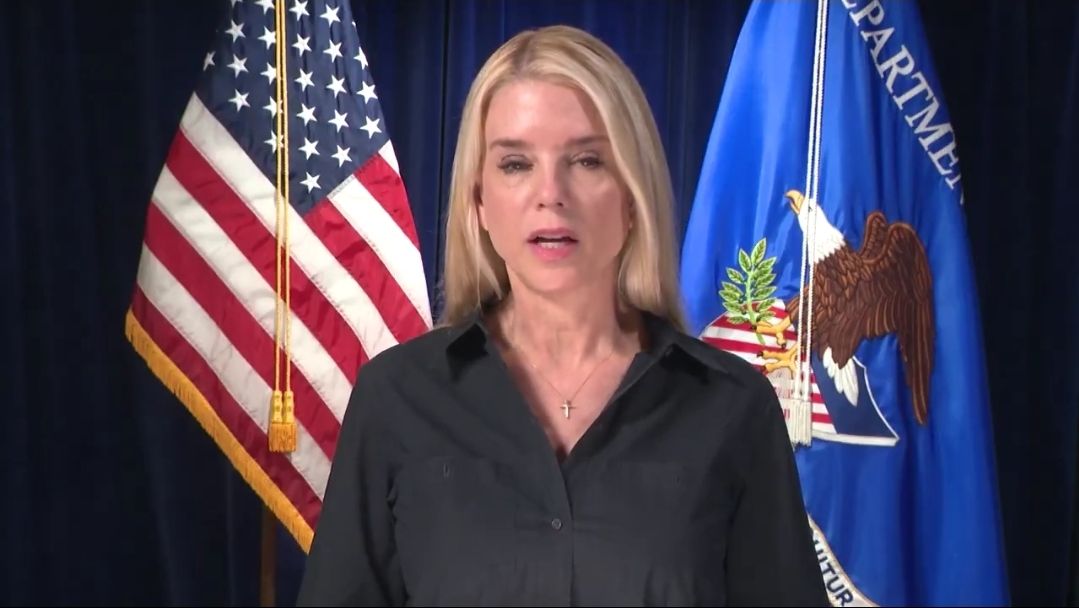
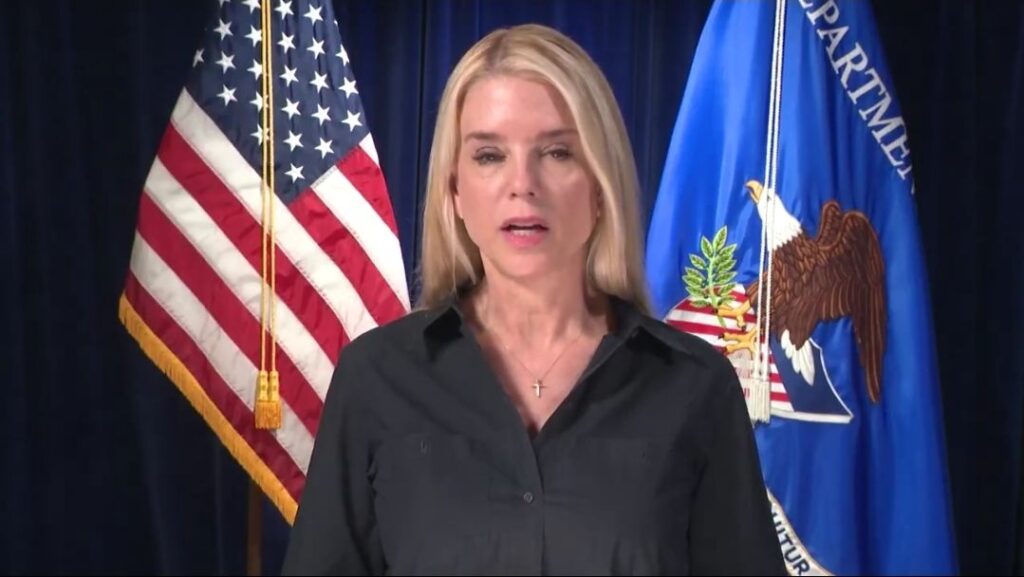
Attorney General Pamela Bondi announced the development in a joint statement from the Department of Justice, FBI, and DEA, posted on X late January 4.
The statement praised months of interagency coordination, highlighting leadership by the Department of War and involvement of specialized FBI and DEA teams. It described the mission as supporting an ongoing prosecution for large-scale narcotics trafficking, narco-terrorism, and related offenses that have contributed to regional instability and the U.S. drug crisis.
The statement emphasized that peaceful resolutions were pursued but rejected, placing responsibility on those continuing criminal conduct.
Maduro and Flores arrived in New York, where they are held in federal detention ahead of a court appearance on charges including narco-terrorism conspiracy, cocaine importation, and possession of weapons. Reports indicate Maduro is detained at the Metropolitan Detention Center in Brooklyn.
The operation has sparked international debate. Supporters view it as accountability for indicted crimes dating back years, while critics, including some legal experts, question its legality under international law and label it an act of regime change.
President Trump has stated the U.S. will temporarily oversee Venezuela until a “proper” transition, amid reports of an interim government forming.
The capture marks a bold move in the Trump administration’s early days, fulfilling long-standing U.S. indictments against Maduro while raising questions about implications for sovereignty and regional stability.
About The Author