IRAN April 12, 2026 – In a dramatic sign of rising geopolitical tensions, two oil supertankers transiting the vital Strait of Hormuz executed abrupt U-turns on Sunday shortly after high-level peace talks between the United States and Iran collapsed in Islamabad, Pakistan.
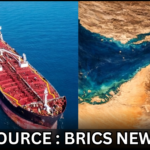
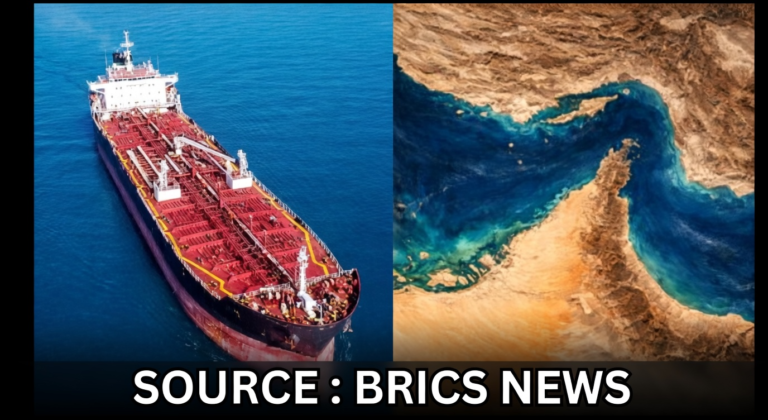
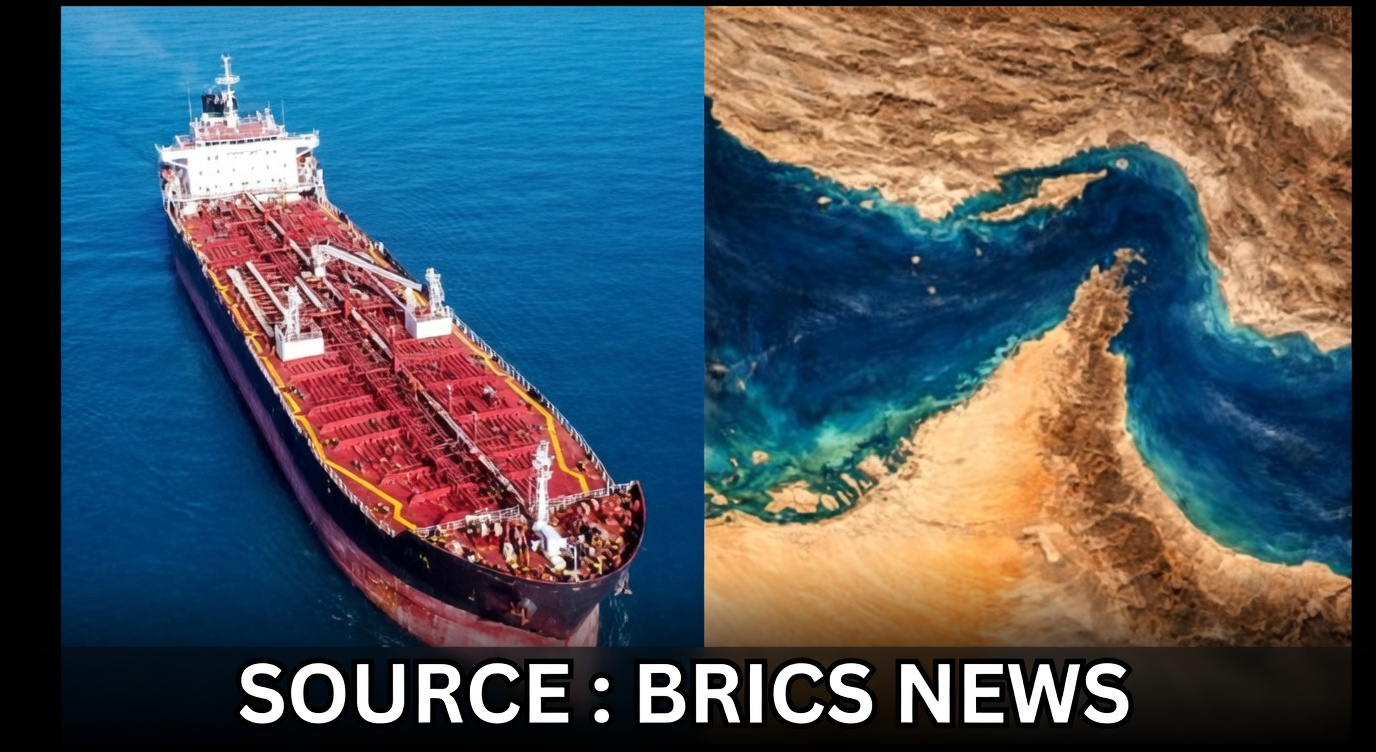
According to real-time vessel tracking and reports from BRICS News and maritime sources, the supertankers reversed course in the narrow waterway just minutes after the breakdown of negotiations was confirmed. The vessels – reported by Bloomberg and other outlets as the empty supertankers Agios Fanourios I and Shalamar – were captured in images showing one massive tanker sailing through open waters before the reversal. A second image highlights the strategic choke point of the Strait of Hormuz itself.
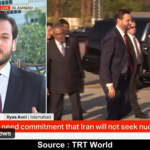
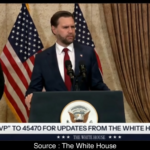
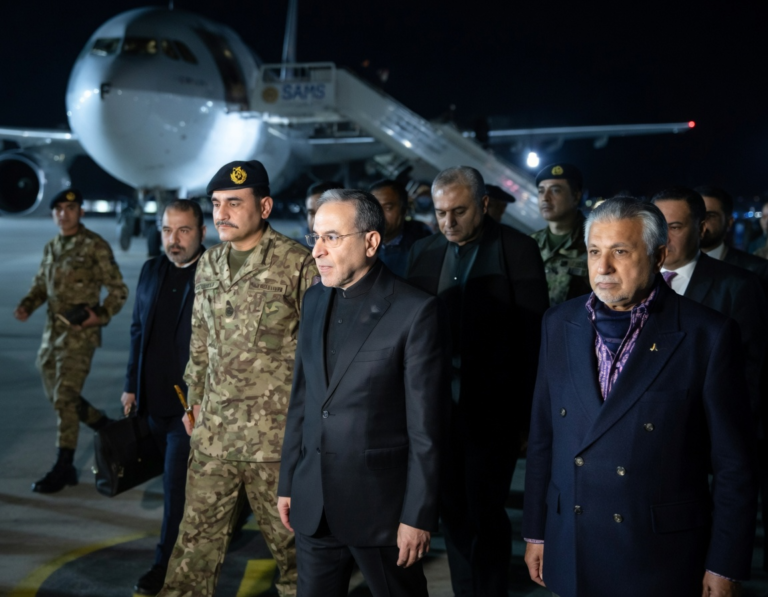
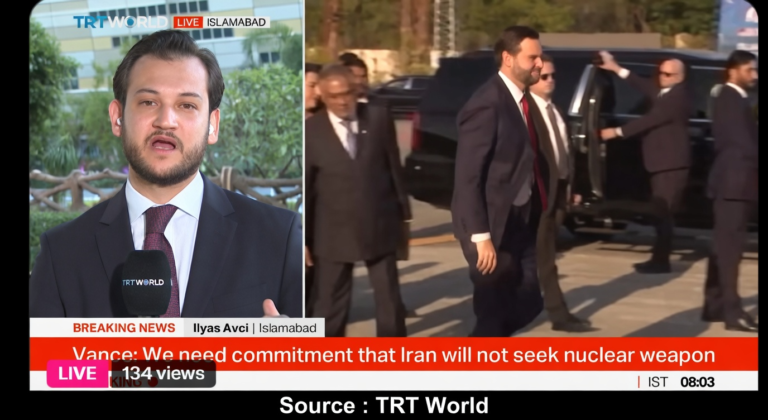
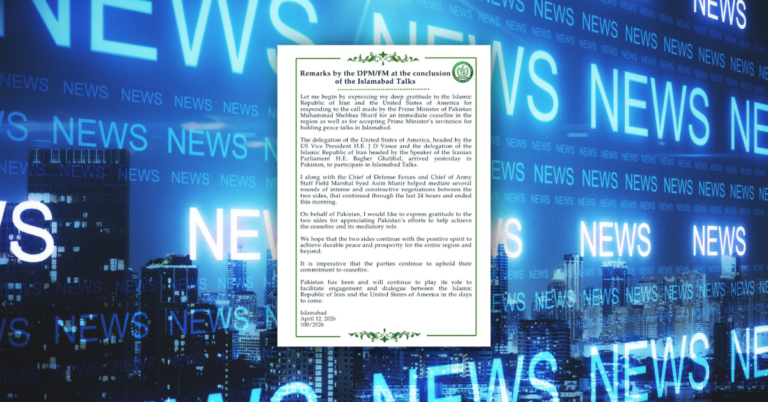
The talks, mediated in Islamabad and led by US Vice President JD Vance, lasted more than 21 hours but ended without agreement. Iran reportedly rejected what the US described as its “final and best offer” regarding Tehran’s nuclear program. The failure comes amid a fragile ceasefire that followed earlier military confrontations involving the US, Israel, and Iran earlier this year.
The Strait of Hormuz, which lies between Iran and Oman, is one of the world’s most critical energy arteries. It handles roughly 20% of global seaborne oil trade. Even brief disruptions or heightened risk perceptions in the strait can send oil prices soaring and rattle energy markets worldwide.
Maritime analysts noted that several supertankers had successfully passed through the strait in recent weeks as a confidence-building measure during the ceasefire and initial rounds of diplomacy. Sunday’s sudden U-turns signal renewed caution among ship operators and a sharp rise in perceived risk following the diplomatic setback.
Global oil prices are expected to open higher on Monday as traders price in the increased uncertainty. Life News Agency will continue to monitor developments in the region, including any further statements from Washington, Tehran, or shipping authorities.
About The Author