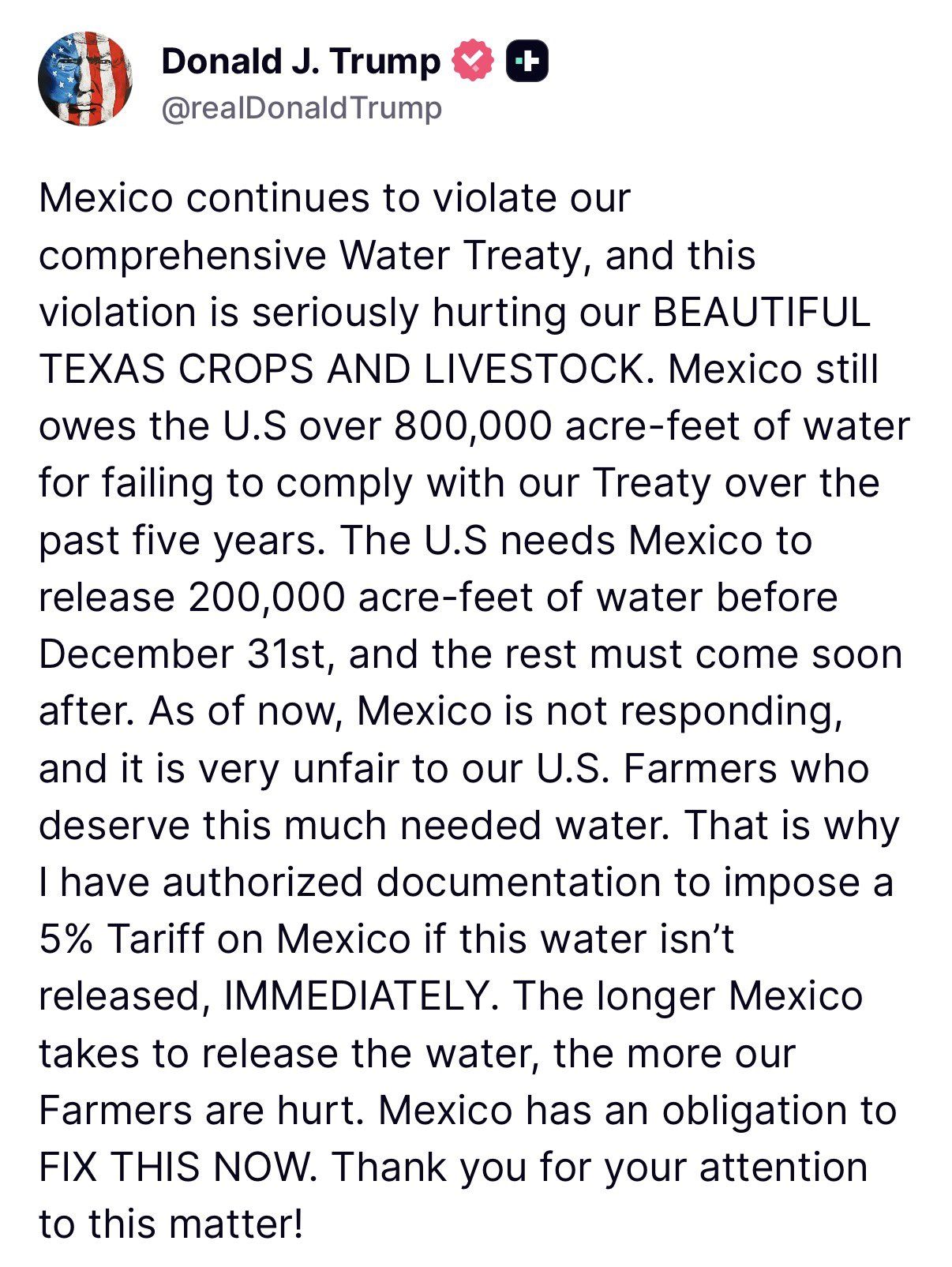
WASHINGTON, D.C. December 8, 2025 – President Donald J. Trump issued a stern ultimatum to Mexico on Monday evening, demanding the immediate release of 200,000 acre-feet of water under a decades-old treaty or face a new 5% tariff on Mexican imports. The announcement, shared via the White House’s official X account, escalates a long-simmering dispute over Rio Grande water allocations that has left Texas farmers grappling with crop failures and livestock shortages amid one of the worst droughts in U.S. history.
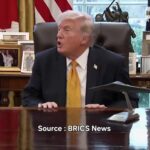
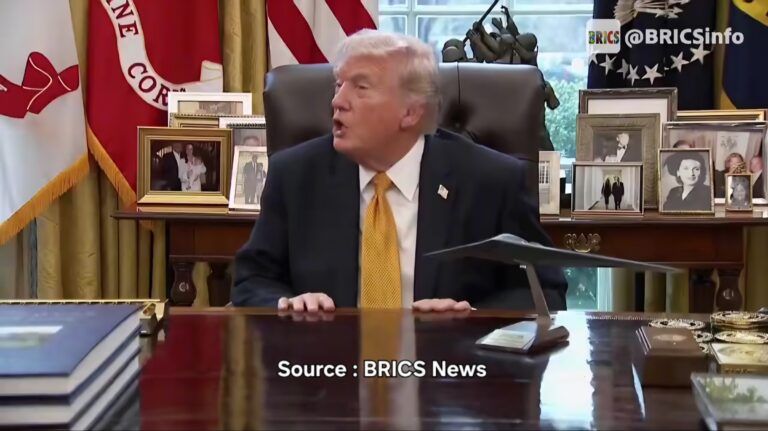
“Mexico continues to violate our comprehensive Water Treaty, and this violation is seriously hurting our BEAUTIFUL TEXAS CROPS AND LIVESTOCK,” Trump wrote in the post, which included a photo of the president emphasizing the urgency. He accused Mexico of owing the U.S. over 800,000 acre-feet of water accumulated over the past five years for failing to comply with the 1944 Water Treaty. Under the agreement, Mexico is obligated to deliver 1.75 million acre-feet from six Rio Grande tributaries every five-year cycle, while the U.S. provides 1.5 million acre-feet annually from the Colorado River.
The current cycle, which ended in October 2025, saw Mexico deliver less than half the required amount—around 488,000 acre-feet—according to data from the U.S. International Boundary and Water Commission (IBWC). Trump specified that Mexico must release 200,000 acre-feet before December 31, with the remainder to follow “soon after,” calling the delay “very unfair to our U.S. Farmers who deserve this much needed water.”
This marks the latest flare-up in a tension that dates back to April 2025, when Trump first threatened tariffs and sanctions after Mexico’s deliveries fell short by 1.3 million acre-feet. At the time, he halted non-treaty water shipments to Tijuana and rallied support from Agriculture Secretary Brooke Rollins and Texas Senator Ted Cruz to pressure Mexico. Mexico’s President Claudia Sheinbaum responded then by citing a multi-year drought exacerbated by climate change, arguing that the treaty allows for debt rollover in emergencies. She instructed officials to negotiate with the U.S. Departments of State and Agriculture, expressing confidence in reaching an accord.
The White House post on X quickly drew reactions, amassing over 11,000 views and hundreds of likes within hours. Supporters praised Trump’s “leadership” in defending American agriculture, with one user stating, “This is what leadership looks like. Stand up for our farmers, enforce the treaty, and turn the water back on for Texas.” Critics, however, decried the move as inflammatory, with some pointing to Trump’s existing 25% tariffs on Mexican goods over immigration and fentanyl issues as evidence of a broader trade war. One reply warned, “Your tariffs have hurt our crops. You also killed the hemp market,” highlighting potential backlash from U.S. producers.
Texas agriculture, particularly in the Rio Grande Valley, has borne the brunt of the shortfall. The region, a hub for sugarcane, cotton, and citrus, reported hundreds of millions in losses last year alone, including the closure of the state’s only sugar mill. “Droughts don’t negotiate, but apparently governments do, at 5% per refusal,” quipped another X user, capturing the high stakes as winter planting season looms.
Mexican officials have not yet responded to Monday’s post, but experts anticipate renewed diplomatic talks. The IBWC, which oversees the treaty, noted in a November 2025 meeting that U.S. pressure has prompted Mexico to explore emergency releases, though northern Mexican states fiercely guard their own water supplies amid the crisis. Legal scholars like María del Socorro Marquina Sánchez of UNAM warn that repeated shortfalls since the 1990s could strain bilateral relations further, potentially requiring treaty amendments.
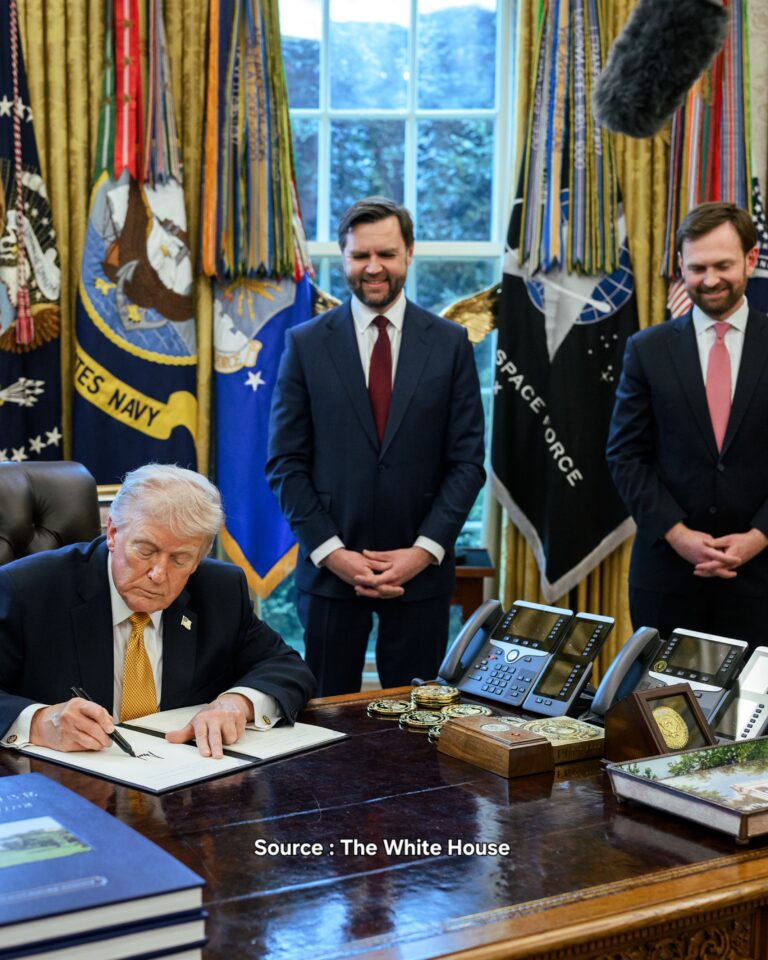
Trump concluded his message with a direct call to action: “That is why I have authorized documentation to impose a 5% Tariff on Mexico if this water isn’t released, IMMEDIATELY. The longer Mexico takes to release the water, the more our Farmers are hurt. Mexico has an obligation to FIX THIS NOW. Thank you for your attention to this matter!”
As the December 31 deadline approaches, all eyes are on whether Mexico will comply to avert economic fallout, or if Trump’s tariff threat—building on earlier sanctions warnings—will ignite a full-blown water war between neighbors. The White House has scheduled no immediate briefings, but Rollins is expected to address the issue at a Texas farm forum later this week.
About The Author