WASHINGTON, D.C., February 20, 2026 – The U.S. Supreme Court delivered a major setback to President Donald Trump’s aggressive trade policy on Friday, ruling that his administration exceeded its authority by imposing broad tariffs on imports from nearly every trading partner under a 1977 emergency law.
In a 6-3 decision, the justices held that the International Emergency Economic Powers Act (IEEPA) does not authorize the president to impose tariffs, a power traditionally reserved for Congress. Chief Justice John Roberts wrote the majority opinion, joined by the court’s three liberal justices and two Trump-appointed conservatives, Justices Neil Gorsuch and Amy Coney Barrett. Justices Clarence Thomas, Samuel Alito, and Brett Kavanaugh dissented.
The ruling invalidates the so-called “Liberation Day” tariffs and related levies imposed since early 2025, which included a baseline 10% duty on goods from most countries, with higher rates (up to 25%) on imports from China, Canada, and Mexico tied to claims of drug trafficking and trade deficits. These measures had already collected an estimated $130 billion to $200 billion in revenue.
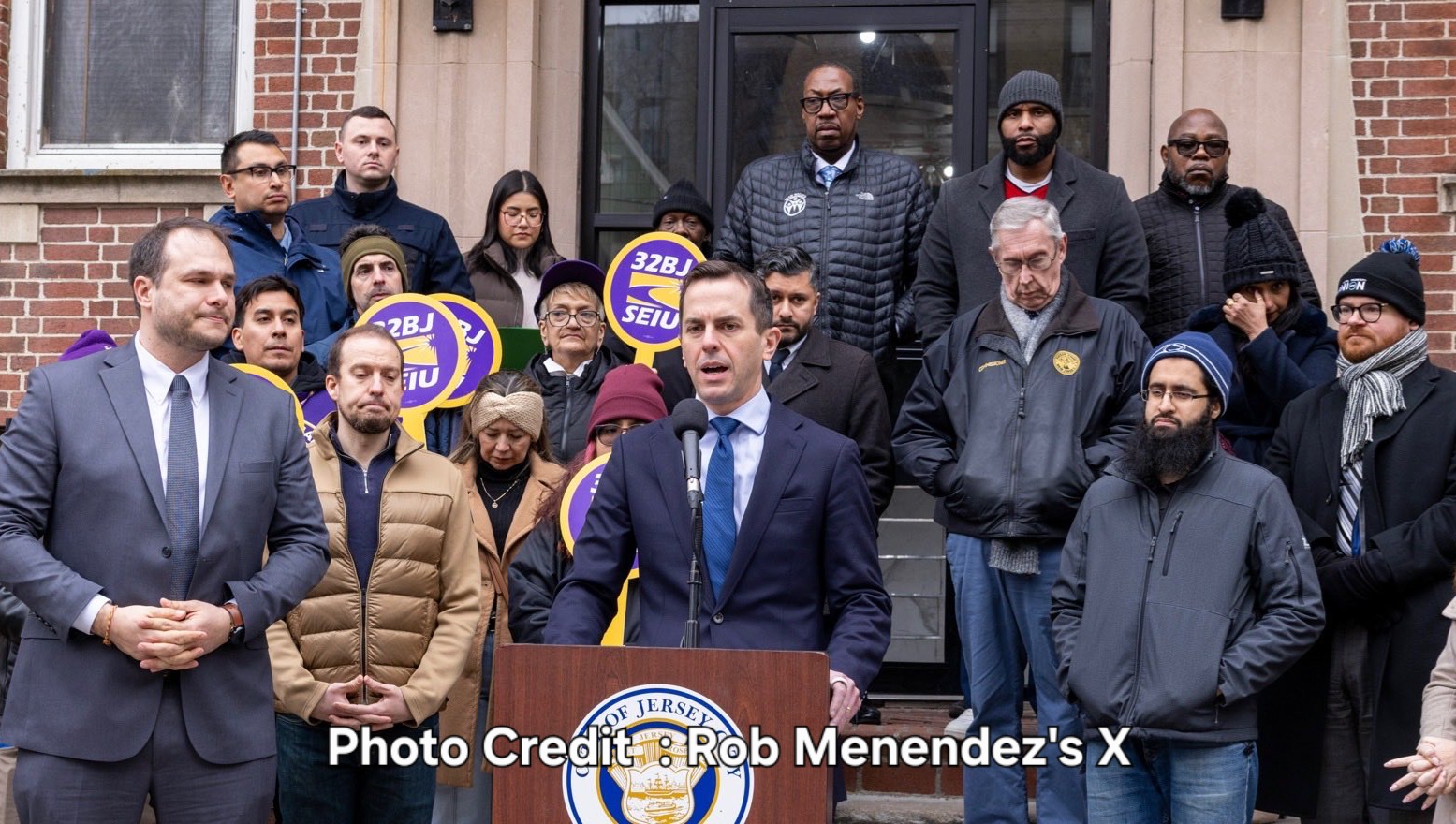
Reacting swiftly on X (formerly Twitter), U.S. Rep. Rob Menendez (D-New Jersey) hailed the decision as a victory for American families. Quoting the breaking report from Courthouse News Service, Menendez posted:
“Another major setback for the Trump Administration in their crusade to make life more expensive for hardworking Americans. This SCOTUS decision is yet another clear example that the Constitution is on our side.”
The New Jersey Democrat’s statement underscores growing Democratic criticism that the tariffs acted as a hidden tax on consumers, driving up costs for everyday goods ranging from electronics to clothing.
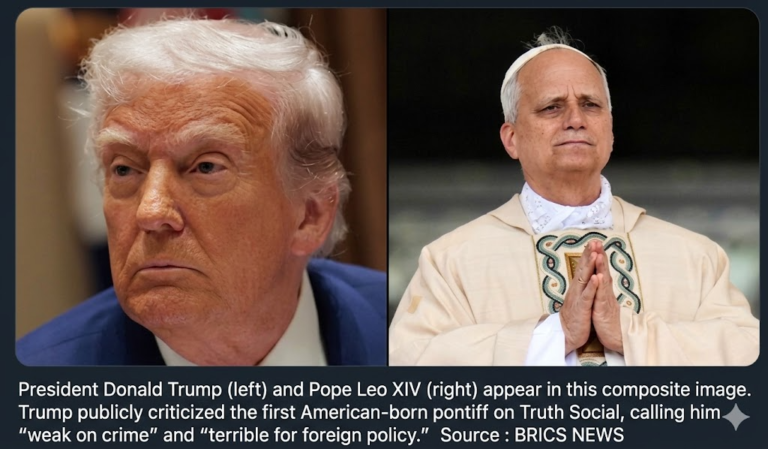
President Trump, however, fired back immediately, denouncing the ruling as a “disgrace” and vowing to circumvent it. Hours after the decision, he announced plans to impose a new 10% across-the-board global tariff using alternative authority under the Trade Act of 1974. He also indicated that existing tariffs imposed under other statutes, such as Section 232 national security measures, would remain in place.
The decision leaves open the question of refunds for importers who paid the now-invalidated duties, with some estimates suggesting billions could be returned. Economists warn that prolonged uncertainty could disrupt global supply chains.
For international partners like Malaysia, the ruling could ease pressure on exports to the U.S. market. Reciprocal tariffs under the struck-down IEEPA framework had targeted Malaysian goods at rates around 10%, part of broader U.S. efforts to address trade imbalances. Analysts say the decision may prompt renegotiations or renewed focus on bilateral trade agreements.
The case, stemming from challenges by businesses including Learning Resources Inc., now returns to lower courts for further proceedings on remedies.
This rare rebuke from a conservative-led Supreme Court highlights limits on executive power in trade matters and comes just days before President Trump’s scheduled State of the Union address.
Life News Agency will continue monitoring developments and their impact on global markets and consumers worldwide.
About The Author