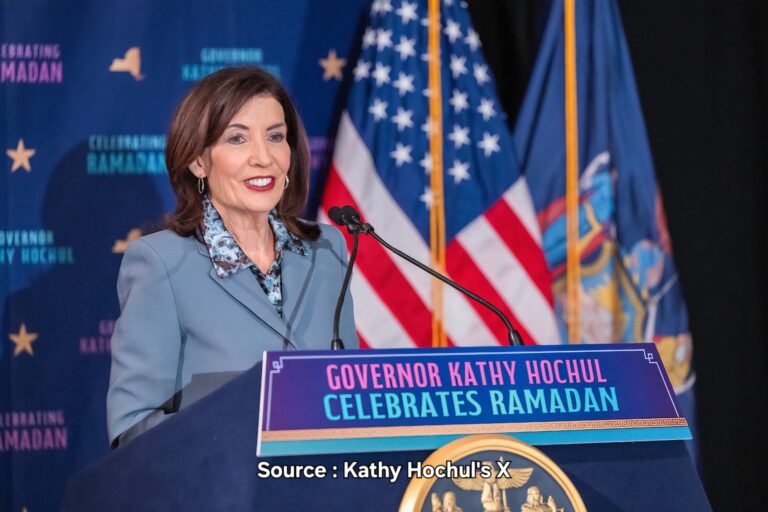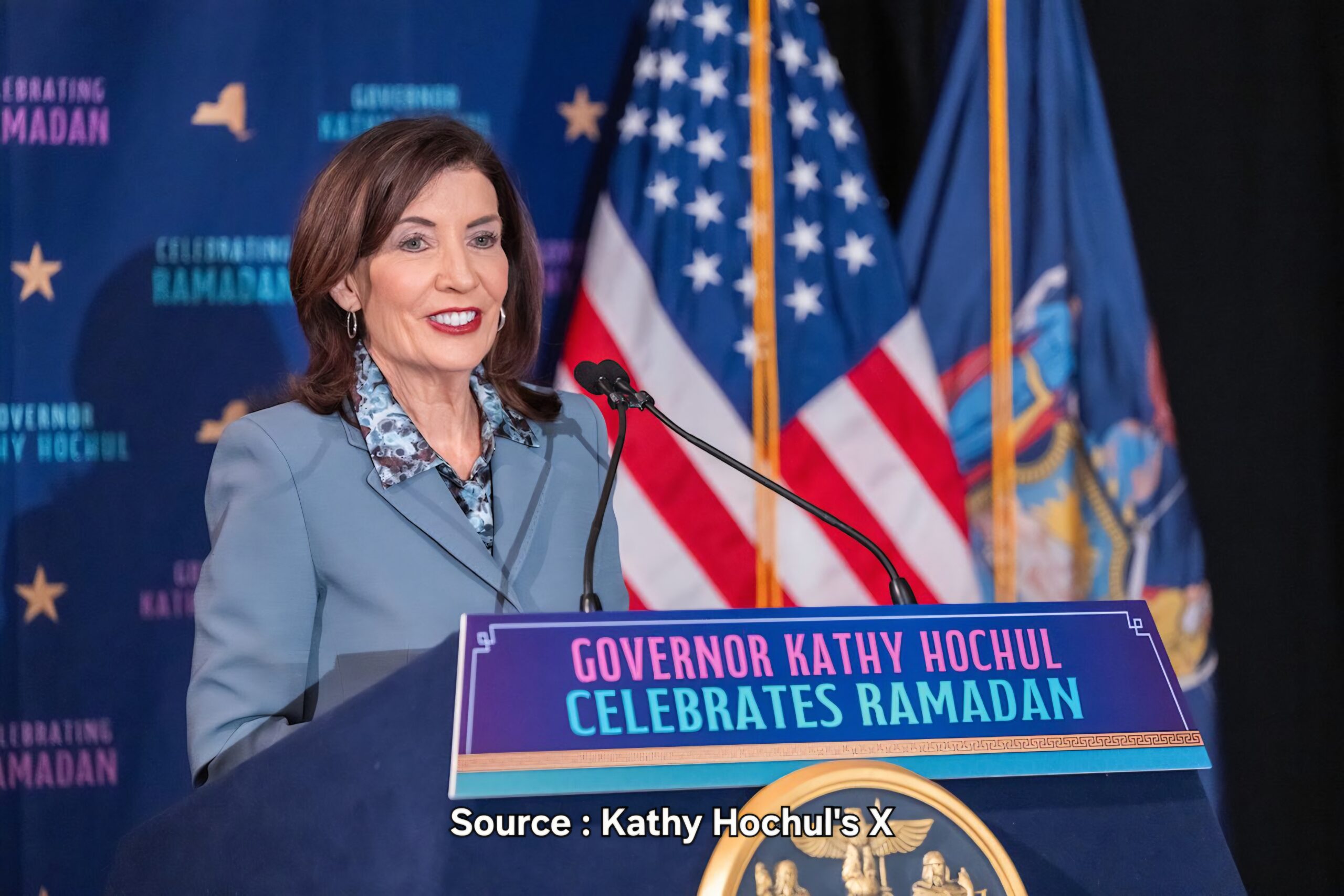
ALBANY, NEW YORK March 5, 2026 – New York Governor Kathy Hochul declared on Thursday that the state is suing the Trump administration to reclaim an estimated $13.5 billion in tariffs paid by New Yorkers, labeling them an “illegal tax” on working families, small businesses, and farmers. The announcement follows a recent ruling by the U.S. Court of International Trade, which Hochul described as a key step forward in addressing the economic fallout from the tariffs imposed during President Donald Trump’s previous term.
In a video address shared on X (formerly Twitter), Hochul emphasized the human cost of the tariffs. “These tariffs were a tax on the American people,” she said. “Here in New York, working families, small businesses, and farmers have paid the price every single day.” She highlighted stories from constituents questioning why they became “collateral damage” in international trade disputes, noting that markets have closed doors to U.S. suppliers, leading to job losses and strained economies.
Hochul pointed to estimates that New York families have collectively paid more than $13.5 billion due to the tariffs in just one year, equating to about $1,751 per household. “I want New Yorkers to be reimbursed every single penny that they had overpaid because of this illegal scheme perpetrated by the Trump administration,” she stated. “I want that money back in New Yorkers’ pockets.”
The lawsuit builds on a broader legal battle over Trump’s use of tariffs. On February 20, 2026, the U.S. Supreme Court ruled 6-3 in Learning Resources Inc. v. Trump that the president exceeded his authority under the International Emergency Economic Powers Act (IEEPA) by imposing sweeping tariffs on nearly all U.S. trading partners. The decision struck down tariffs estimated to have collected over $160 billion nationwide, but left the refund process unresolved. Following the ruling, Trump responded by imposing a new 10% global tariff under Section 122 of the Trade Act of 1974, prompting further legal challenges.
On March 4, 2026 – the day before Hochul’s announcement – the U.S. Court of International Trade received the case back from an appeals court to determine next steps for refunds, including potential processes for importers and states to recover funds. Hochul’s office framed this as validation for pursuing reimbursements, aligning with earlier calls she made in late February for the Trump administration to refund New Yorkers directly.
New York Attorney General Letitia James is leading a related multistate lawsuit filed on March 5 to block the administration’s latest tariffs, arguing they violate constitutional separation of powers and do not meet statutory requirements. Hochul joined the coalition, stating the policies “continue to weigh on businesses, farmers, and consumers across New York State.”
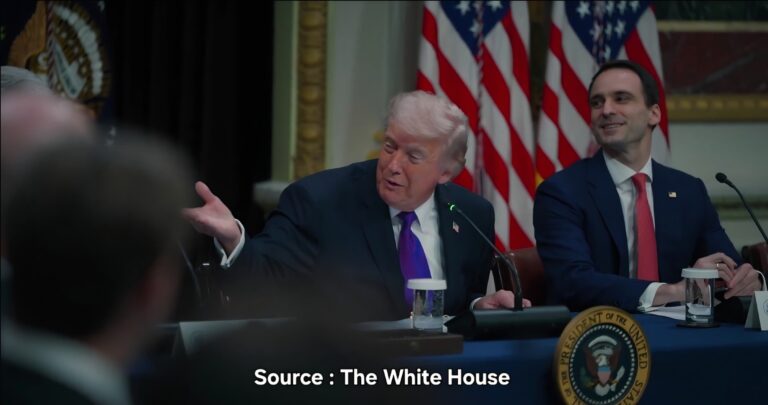
The Trump administration has not yet responded directly to Hochul’s lawsuit announcement, but the president has defended his tariff strategy as necessary for protecting American industries and negotiating better trade deals. In a February 20 news conference, Trump criticized the Supreme Court justices as “fools and lap dogs” and vowed to continue using trade tools to address deficits and foreign threats. Administration officials have warned that refunding tariffs could disrupt trade agreements worth trillions and lead to years of litigation.
Reactions on social media were mixed, with some X users criticizing Hochul for prioritizing tariff refunds while allegedly spending billions on other state programs, such as support for undocumented immigrants. One user wrote, “New Yorkers should sue your ass for the billions you’ve stolen from us to give to illegal immigrants.” Others echoed concerns about rising taxes and crime under her leadership. Supporters, however, praised the move as a stand against federal overreach.
The case could set precedents for how states recover funds from invalidated federal policies, potentially affecting billions in refunds nationwide. Legal experts anticipate prolonged court battles, with global trade uncertainty persisting amid ongoing U.S. tariff adjustments.
About The Author