By Professor Dato Dr Ahmad Ibrahim
A common process in industrial plants is separation. It can be separating gas from liquid, solids from liquids, or even liquids from liquids. Centrifugation has been a popular separation technology. Also, evaporation. Increasingly, the use of membrane has grown thanks to years of investment in membrane research. Membrane scientists believe the future of membrane technology is exceptionally promising, driven by continuous advancements in materials science, nanotechnology, and process engineering. As global challenges like water scarcity, energy efficiency, and environmental sustainability intensify, membranes will play an increasingly critical role in separation processes. Over the years, Malaysia has also built much expertise in membrane technology.
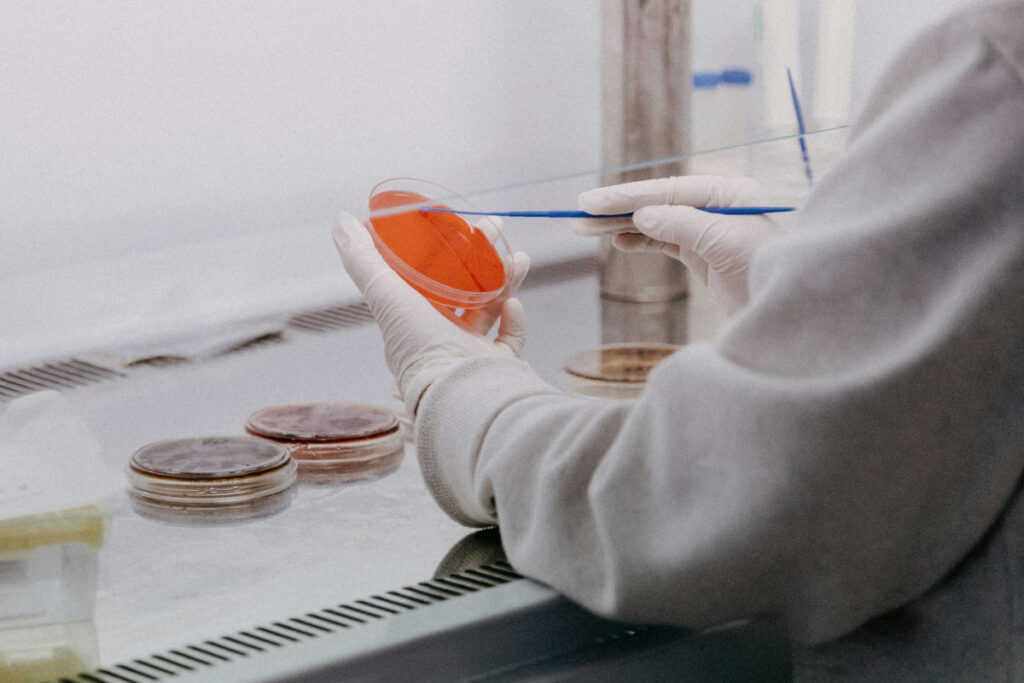
We have witnessed much progress in enhanced membrane materials. One relates to nanocomposite and 2D material membranes. Graphene oxide, MXenes, and metal-organic frameworks (MOFs) will enable ultra-thin, high-flux, and highly selective membranes. Biomimetic membranes have witnessed breakthroughs. Inspired by biological systems (e.g., aquaporins), these membranes will achieve near-perfect selectivity for water purification and gas separation. The self-healing and anti-fouling membranes have also seen commendable advancement. Coatings and responsive polymers will reduce fouling and extend membrane lifespan.
The continuing search for energy-efficient and sustainable processes has also led to membrane development. Forward osmosis (FO) and membrane distillation (MD) provide lower-energy alternatives to reverse osmosis (RO) for desalination and wastewater treatment. The development of green solvent-based manufacturing has reduced the reliance on toxic solvents in membrane fabrication. In the efforts to integrate renewable energy systems, there is now solar- or wind-powered membrane processes for off-grid applications. There are encouraging developments in the broader industrial and environmental applications. In the carbon capture and utilization space (CCU), next-gen membranes are available for more efficient CO₂ separation from flue gases and direct air capture. Whilst in the blue energy (Osmotic Power) application, salinity gradient energy harvesting using advanced membranes is possible.
There have been impressive developments in digital and smart membrane systems. AI and machine learning help optimize membrane design, predict fouling, and achieve real-time process control. Whilst IoT-enabled monitoring has produced sensors for adaptive performance tuning in water treatment and gas separation. In meeting the circular economy and waste valorization targets, resource recovery membranes have been developed providing the selective extraction of valuable metals (Li, Au, rare earths) from industrial wastewater. Then there is the membrane bioreactors (MBRs) plus anaerobic digestion system which combine separation with energy recovery from waste.
The use of membrane technology for latex concentration is gaining significant interest, particularly in industries such as natural rubber production, synthetic latex manufacturing, adhesives, and coatings. Traditional methods like centrifugation and evaporation are energy-intensive and can degrade latex quality, making membranes a promising alternative. Why membranes for latex concentration? Membranes offer key advantages. These include no heat or shear stress, avoiding coagulation or particle damage, lower energy than thermal evaporation, selectivity, and scalability. Modular systems can be adaptable to different production scales.
Membrane technology has strong potential to revolutionize latex concentration, offering energy savings, better product quality, and sustainability benefits over traditional methods. While challenges like fouling and scalability remain, ongoing research in advanced materials, module design, and hybrid processes will drive adoption. In the near-term we expect gradual uptake in high-value latex sectors (medical, electronics) before wider industrial use. In the long-term, membranes could become the standard for latex processing, especially as sustainability regulations tighten. Key membrane processes for latex concentration would include ultrafiltration (UF), nanofiltration (NF), forward osmosis (FO), and electrodialysis (ED) which can deionize latex while concentrating it, useful for specialty applications.
Membrane is not free from challenges. The cost-effective production of advanced membranes at industrial scales is one. The issue of long-term durability is another. This involves ensuring stability under harsh operational conditions. Not to mention the regulatory and economic hurdles which are in the way of faster approval and commercialization pathways. Membrane technology is poised to revolutionize water, energy, and industrial processes in the coming decades. With sustained R&D investment and cross-disciplinary collaboration, membranes will be a cornerstone of sustainable development, addressing critical global needs in purification, resource recovery, and decarbonization. The future is not just about better membranes. It is about smarter, more integrated systems that align with a circular and net-zero economy.
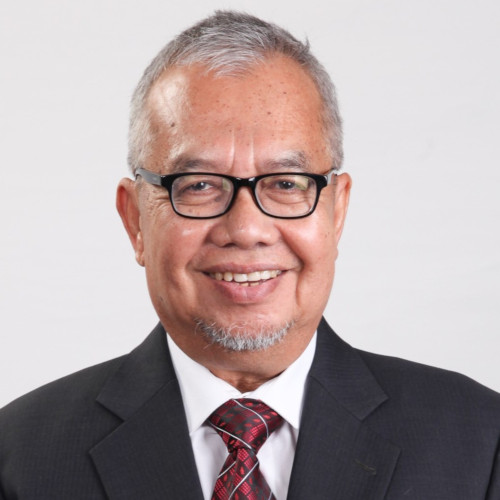
The author is affiliated with the Tan Sri Omar Centre for STI Policy Studies at UCSI University and is an Adjunct Professor at the Ungku Aziz Centre for Development Studies, Universiti Malaya.
About The Author