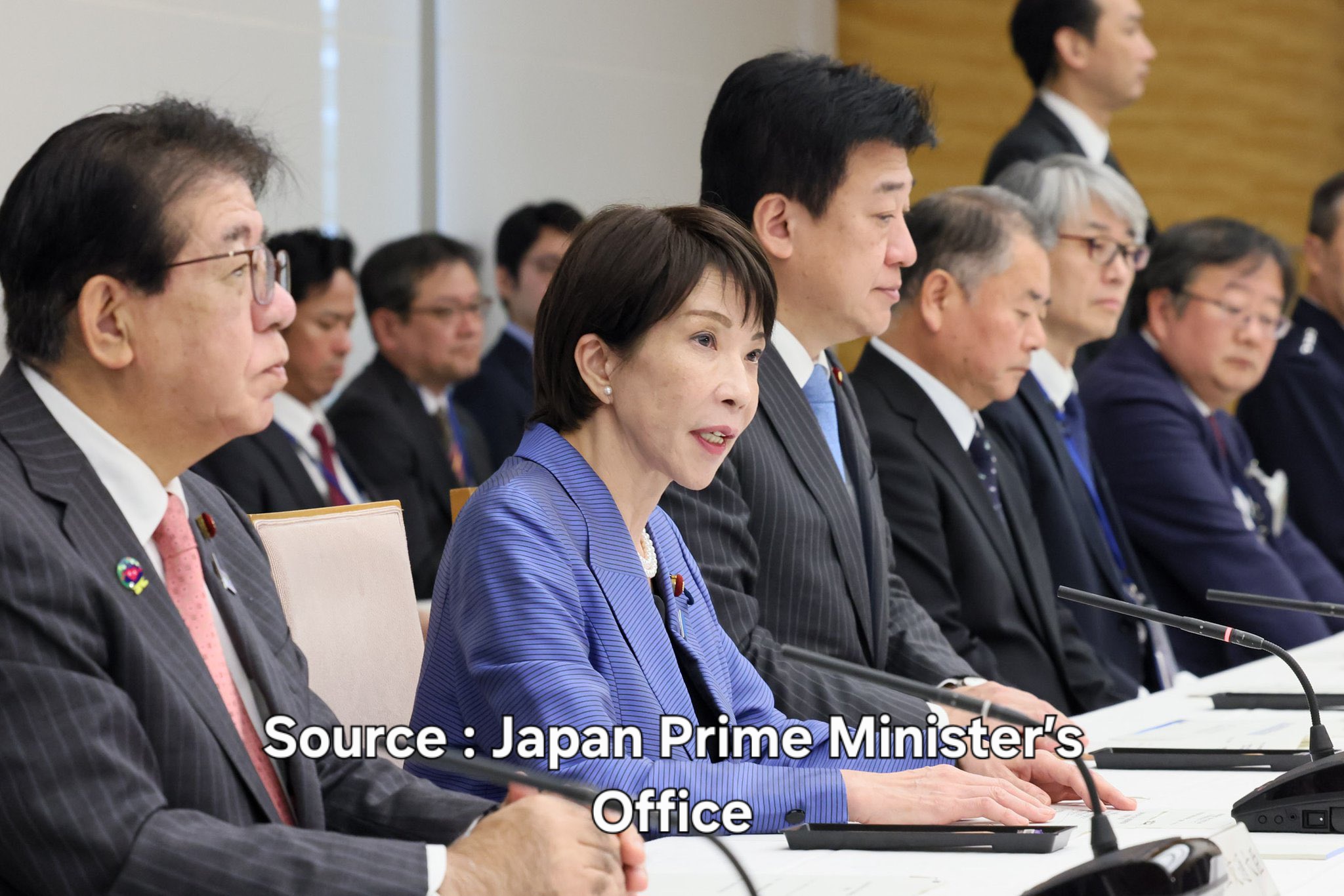
TOKYO.March 1, 2026 – Japanese Prime Minister Sanae Takaichi held an urgent press conference on February 28, 2026, to outline her government’s response to the joint military strikes launched by the United States and Israel against Iran.
The official announcement was shared via the Prime Minister’s Office X account (@JPN_PMO), linking directly to the full transcript on the Kantei website.
In the briefing, PM Takaichi confirmed: “Today, Israel and the United States announced that they carried out attacks against Iran.” She noted that Japan had already been implementing precautionary measures, including the early evacuation of Japanese nationals in anticipation of any escalation.
Upon receiving initial reports of the strikes, the Prime Minister immediately directed relevant ministries and agencies to gather comprehensive information and take every possible step to protect Japanese citizens still in Iran. At 4:00 p.m. local time, an Information Liaison Office was established at the Prime Minister’s Office to centralize monitoring efforts.
Takaichi also ordered safety checks for Japanese nationals in Israel and neighboring Gulf countries — Bahrain, Qatar, and the United Arab Emirates — amid fears of wider regional fallout. “At this point, we have not received any reports of harm to Japanese nationals,” she stated.
Additional instructions were issued to assess the status of sea and air routes, notify relevant operators, and evaluate potential economic impacts.
The Prime Minister, who had been traveling on party business, received continuous updates en route and issued further directives as needed. The government will now analyze all incoming intelligence and convene a meeting of the National Security Council to coordinate next steps with relevant ministers.
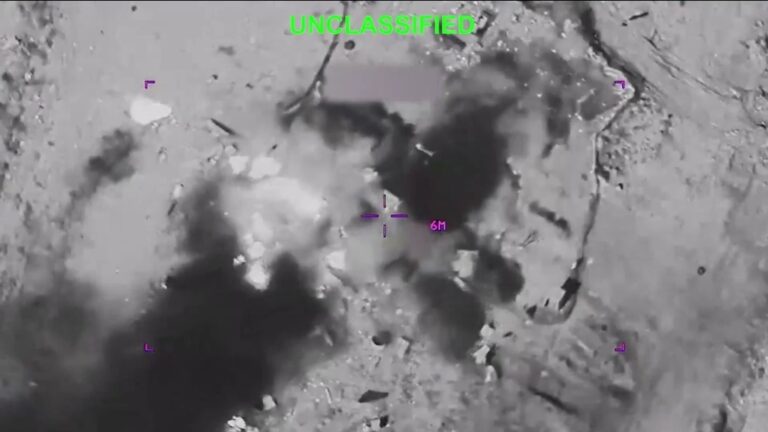
The press conference comes amid a major escalation in the Middle East. On February 28, US President Donald Trump and Israeli officials announced coordinated strikes targeting Iranian leadership, nuclear, and missile sites. Tehran has begun retaliatory actions, raising concerns over regional stability, energy supplies, and international shipping routes.
Japan, which maintains diplomatic ties across the region and relies heavily on Middle Eastern energy imports, is prioritizing citizen safety while closely monitoring developments that could affect global markets.
No further details on Japanese nationals’ numbers in the affected areas were released during the short press conference, which featured only one question from a TV Asahi reporter.
This is a developing story. Life News Agency will continue to monitor official updates from Tokyo and the region.
About The Author